


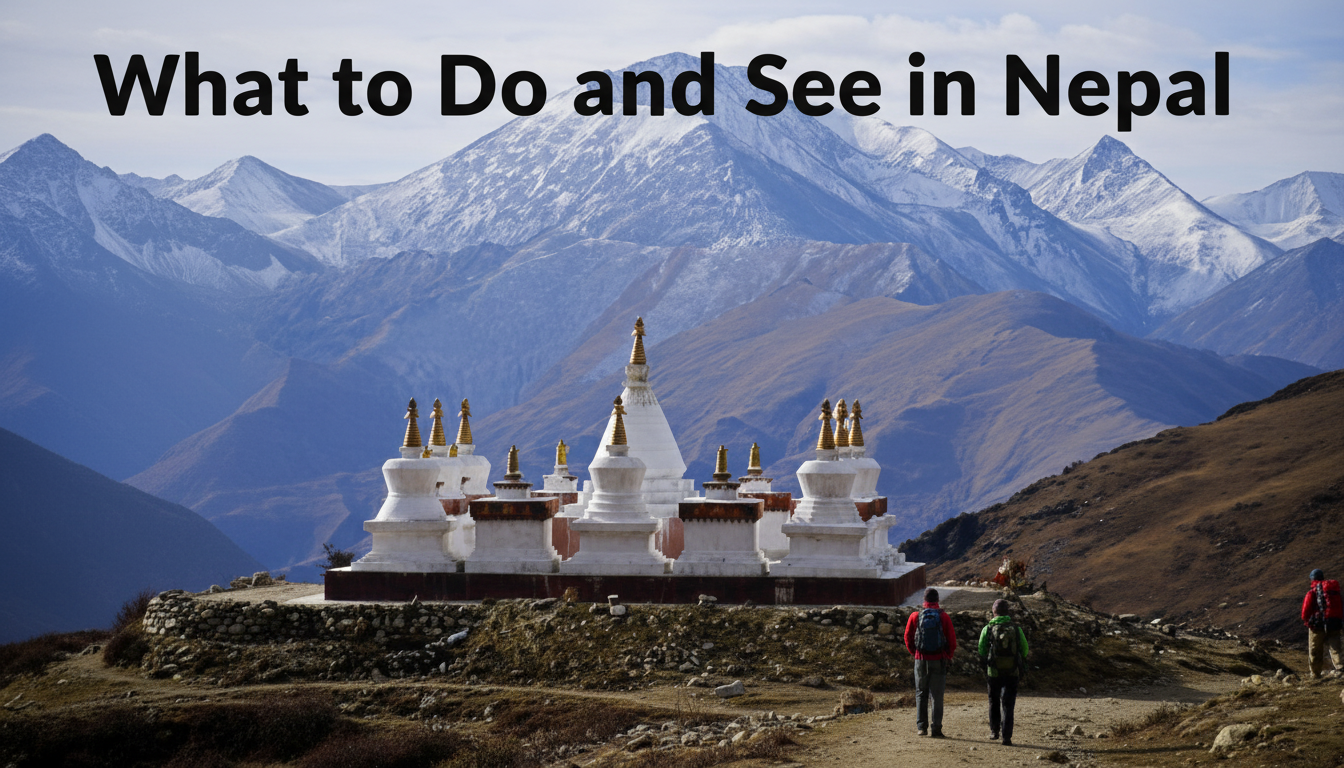
Traveling to Nepal is a once-in-a-lifetime opportunity that provides a special fusion of breath-taking scenery, a vibrant culture, and exhilarating adventure. This tiny Himalayan nation, which is tucked between China and India, is home to some of the most breath-taking scenery on the planet, including the summit of Mount Everest and a variety of habitats that span from alpine forests to tropical rainforests.
Nepal is an outdoor enthusiast’s dream come true. The most well-known activity in the nation is trekking, which attracts hikers from all over the world with notable routes including the Everest Base Camp Trek, the Annapurna Circuit, and the Langtang Valley. Along the journey, these pathways provide opportunity to encounter the kind hospitality of Nepal in traditional communities, in addition to offering stunning views of the mountains.
Nepal is a spiritual travel destination as well, with important Buddhist and Hindu holy sites. One of the holiest Hindu temples is Pashupatinath Temple in Kathmandu, and Buddhist pilgrims travel from all over the world to Lumbini, the site of Lord Buddha’s birth. The nation’s capital, Kathmandu, is home to numerous historic palaces, stupas, and ancient temples, notably the UNESCO-listed Durbar Square.
Chitwan National Park provides a chance for those who enjoy nature to witness critically endangered species in their native environments, including as the Bengal tiger and the one-horned rhinoceros. Cities like Pokhara, on the other hand, offer a tranquil setting for leisure with picturesque lakes and breath-taking vistas of the Annapurna range.
Every traveler may find something unique in Nepal, whether they are looking for adventure, spirituality, or stunning scenery. In this article, we will give you our must see things to do when you are visiting Nepal.
Do a Trekking Tour of the Himalayas
The Himalayas’ breath-taking natural beauty and rich cultural heritage can be discovered on trekking trips of this iconic mountain range. Several trekking trips available are suitable for all levels of fitness and experience, whether you are an expert hiker or a first-time traveler.
The Everest Base Camp Trek, the Annapurna Circuit Trek, and the Langtang Valley Trek are a few of the most well-known trekking excursions in the Himalayas. These treks offer trekkers a distinctive cultural experience as well as breath-taking views of the surrounding peaks as they pass through remote communities, high mountain passes, and historic monasteries.
The majority of Himalayan trekking excursions include knowledgeable guides, porters, and all necessary gear, freeing trekkers from worrying about logistics or safety and allowing them to concentrate on enjoying their journey. Depending on the amount of comfort required, accommodations might range from basic guesthouses to opulent lodges.
A fantastic way to meet other like-minded travelers and make new friends from all over the world is through Himalayan trekking tours. A Himalayan trekking vacation is a must-do adventure because there are so many amazing hiking routes to select from.
Visit Kathmandu in Nepal
The capital of Nepal, Kathmandu, is a thriving metropolis with a remarkable fusion of traditional and modern culture. Kathmandu is a must-visit location for any traveler to Nepal because of its extensive history, historic temples, vibrant markets, and dynamic street scenes.
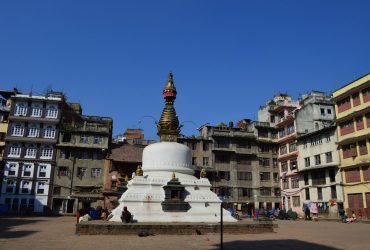
The historic Kathmandu Durbar Square and the UNESCO-listed Boudhanath Stupa and Swayambhunath Temple (commonly known as the Monkey Temple) are two of the city’s most visited attractions. Visitors can also explore the old city’s winding lanes; they are dotted with vibrant stores that sell local crafts and trinkets.
The nearby hiking routes of the Langtang and Annapurna regions, as well as the neighboring city of Bhaktapur, which is renowned for its carefully preserved traditional architecture, may also be explored from Kathmandu.
From inexpensive guesthouses to opulent hotels, Kathmandu offers a variety of lodging options for travelers. The city also has a thriving nightlife with many clubs and eateries to discover. A trip to Kathmandu is certain to leave a lasting impact, whether you are a culture vulture, an outdoor enthusiast, or simply seeking out a novel travel experience.
Explore Pokhara in Nepal
Discovering Pokhara, Nepal, provides an amazing blend of adventure, peace, and natural beauty. Known as the gateway to the Annapurna Circuit, this lovely city lies tucked in the foothills of the Himalayas, roughly 200 kilometers west of Kathmandu. Pokhara is well-known for its tranquil lakes, expansive views of the mountains, and laid-back vibe in contrast to the hustle and bustle of the city.
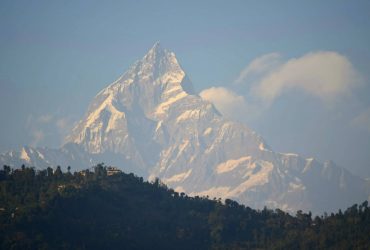
Phewa Lake, where guests can rent vibrant boats and paddle over its placid waters while taking in the surface reflections of Machhapuchhre (Fishtail Mountain) and the Annapurna Range, is one of the primary attractions. There’s also a serene place for introspection at the Tal Barahi Temple, a little pagoda set on an island in the lake.
Pokhara is an adventurer’s dream come true. One of the greatest ways to see the Himalayas from above is to parachute over the lake, which offers stunning views of the surrounding mountains. The city serves as the beginning point for a number of treks, such as the well-known Ghorepani Poon Hill and Annapurna Base Camp treks, which provide hikers with amazing vistas and opportunities to interact culturally with local populations.
Other must-see locations are the neighbouring Gupteshwor Cave, an old limestone cave, and Devi’s Fall, a waterfall that cascades into an underground tunnel. The International Mountain Museum provides information on the history of mountaineering and the Himalayan culture.
For those seeking adventure, leisure by the lake, or a cultural encounter, Pokhara offers a unique fusion of local charm and the natural world that makes a profound impression on everyone who visits.

Visit Chitwan National Park in Nepal
A UNESCO World Heritage site and one of the most visited places in Nepal is Chitwan National Park. The park, which located in the south of the nation, is home to a wide variety of flora and animals, including tigers, rhinoceroses, elephants, and more than 500 different types of birds.
Chitwan National Park visitors have the option of exploring the park on foot or by jeep while taking in the breath-taking natural landscape and the rich animals. The Rapti River, which flows through the park and offers a great opportunity to see creatures like crocodiles and birds, is also available for guided canoe journeys.
The park offers elephant safaris, where guests can ride on these beautiful beasts as they travel through the park’s lush forests and grasslands, for those seeking an even more immersive experience.
Chitwan National Park is home to various indigenous villages in addition to its natural beauty, giving visitors a rare chance to explore local culture and customs. In conclusion, a trip to Chitwan National Park is an absolute must for everyone travelling to Nepal.

Visit Lumbini in Nepal
As the birthplace of Siddhartha Gautama, the Buddha and the founder of Buddhism, Lumbini in Nepal is a profound and spiritual experience. One of the most important pilgrimage sites for Buddhists worldwide, Lumbini is situated in the southwest plains of Nepal, close to the Indian border. It is recognized as a UNESCO World Heritage Site.
The main attraction in Lumbini is the Maya Devi Temple. It designates the precise location where the Buddha is thought to have been born in 563 BCE, in the court of Queen Maya Devi. The Marker Stone, the precise site of the Buddha’s birth, and the hallowed Pond, where Queen Maya Devi is supposed to have washed before giving birth, are among the hallowed places that pilgrims and guests can tour. A tranquil landscape encircles the temple, fostering a calm environment ideal for introspection and meditation.
The Lumbini Monastic Zone, a collection of monasteries constructed by Buddhist groups worldwide, is another feature of Lumbini. From the elaborate Thai monastery to the simple Japanese temple, each monastery offers tourists a global journey through Buddhism, reflecting the architecture and customs of the nation that founded it.
Another major draw is the Ashoka Pillar, which was built in 249 BCE by Indian Emperor Ashoka to commemorate his conversion to Buddhism and establish Lumbini as a significant location.
For anyone looking for spiritual enlightenment or a greater understanding of Buddhist tradition, Lumbini is a must-visit because of its serene atmosphere as well as its historical and theological significance.


Rafting and Kayaking in Nepal
In many locations around the world, including Nepal, rafting and kayaking are well-liked outdoor activities. With so many rivers and lakes, Nepal presents a fantastic opportunity for those looking for adventure to partake in these thrilling water activities.
The Trishuli, Seti, Bhote Koshi, Kali Gandaki, and Sun Koshi are some of the most well-liked rivers in Nepal for rafting and kayaking. These rivers offer a variety of rapids for all ability levels, ranging from straightforward Class I too difficult Class V rapids. These tours can be led by knowledgeable guides and outfitters, who can also supply all necessary gear.
In Nepal, kayaking is a fantastic opportunity to discover the gorgeous natural scenery and see a variety of wildlife. Particularly recognised for its calm waters, the Seti River is a fantastic choice for first-time kayakers.
Overall, experiencing Nepal’s breath-taking landscape and rough terrain by rafting or kayaking is an exhilarating experience. For people who enjoy adventure and want to test their limitations, it is the perfect activity.

Visit Bhaktapur in Nepal
The mediaeval city of Bhaktapur, sometimes referred to as Bhadgaon, is situated in Nepal’s Kathmandu Valley. It is a UNESCO World legacy Site and renowned for both its stunning architecture and rich cultural legacy. The city is well known for its historic palaces, temples, and fine art. To enjoy the exquisite stone carvings and woodwork, visitors can stroll around the city’s winding alleyways, courtyards, and public spaces.
Durbar Square, which has a number of temples and palaces going back to the 12th century, is the city’s principal tourist attraction. Some of the most well-known sights in this square include the Golden Gate, the National Art Gallery, and the 55 Window Palace. Additionally open to visitors are the Dattatreya, Bhairavnath, and Nyatapola temples.
In addition to its historical landmarks, Bhaktapur is well known for its agriculture, weaving, and ceramics. In the city’s workshops, visitors can see how pottery is made and textiles are woven by hand. The local food, noted for its Newari dishes, which combine Tibetan and Nepalese flavors, is another something you should try. Overall, a trip to Bhaktapur is a distinctive and educational experience that offers an insight into Nepal’s culture.

Paragliding Tours in Nepal
Nepal is famed for its beautiful splendor, which is ideal for this heart-pounding sport, and paragliding is a well-liked adventure activity there. A distinctive approach to discover Nepal’s breath-taking landscape is through paragliding trips. The most well-liked paragliding location in Nepal is Pokhara, which is found in the Himalayan foothills. It provides a breath-taking view of the Phewa Lake and the Annapurna range, which includes Mount Machhapuchhre (Fishtail).
The greatest months for paragliding in Pokhara are from September to November and from February to April because of the clear skies and mild temperatures. Depending on the package selected, a paragliding flight might last anywhere from 15 minutes to an hour. To ensure safety and get the most out of the experience, it is critical to select a reputable and knowledgeable paragliding company. At least once in a lifetime, everyone should try paragliding, and Nepal is one of the best locations to do it.

Visit the Langtang Valley in Nepal
Experience the Himalayas in awe by traveling to Nepal’s Langtang Valley, which combines amazing natural beauty with a rich cultural legacy. Tucked away north of Kathmandu and near the Tibetan border, Langtang Valley is one of Nepal’s easiest trekking destinations, yet it’s still less busy than more well-known trekking routes like Everest or Annapurna.
The valley is a part of the Langtang National Park, which is home to a wide variety of animals and plants, including snow leopards and the endangered red panda. Trekkers are rewarded with breath-taking vistas of alpine meadows, gorgeous glaciers, and snow-capped summits like Langtang Lirung (7,227 meters). The environment is rocky with mountains and covered in rich forests of rhododendron and pine.
Traveling to Langtang Valley is a cultural experience as well. The Tamang people live in the area, and their traditional villages, monasteries, and warm hospitality are examples of their Tibetan-influenced culture. A spiritual high point that provides insight into the customs and practices of the local Buddhists is the historic Kyanjin Gompa monastery. The Kyanjin Cheese Factory offers yak cheese samples to visitors, which adds a distinctive element to the trip.
Even though the 2015 earthquake severely damaged the valley, Langtang has recovered and is now open to hikers who are anxious to witness its untainted beauty and strong character. Since most treks last seven to ten days, Langtang is a great choice for anyone seeking a more affordable but nonetheless incredibly fulfilling Himalayan adventure. In contrast to Nepal’s more well-known trekking spots, Langtang Valley provides an unforgettable and less-travelled experience with its breath-taking beauty and rich cultural exchanges.

Festivals in Nepal
Numerous celebrations in Nepal, a nation steeped in cultural diversity and history, honor the country’s distinctive fusion of Hindu, Buddhist, and indigenous customs. In Nepal, people celebrate festivals with tremendous fervor and frequently include colorful ceremonies, lively music and dance, and lavish feasts. These holidays serve as significant social gatherings that unite communities in addition to being religious occasions.
Dashain: The biggest Hindu holiday in Nepal, is observed for 15 days in September or October. It pays homage to the goddess Durga and represents the triumph of virtue over vice. Families get together to receive blessings, exchange meals, and fly kites, while traditions like animal sacrifices and the tika ceremony, where elders bless younger relatives with a red mark on the forehead, are crucial to the celebration.
Tihar, or the Festival of Lights, is a five-day celebration that comes after Dashain. Bhai Tika, when sisters wish their brothers long life and prosperity, is the culmination of the celebration, which commemorates a variety of animals, including cows, dogs, and crows. The festival is visually striking as houses and streets are lit up with oil lamps and vibrant rangolis.
Buddhist holidays are also frequently observed, such as Buddha Jayanti, which commemorates Lord Buddha’s birth anniversary. During this period, pilgrims from all over the world come to Lumbini, the birthplace of Buddha, which becomes a focal point.
Holi: the festival of colors, is another important celebration that is marked by flamboyant water and color-powder flinging. It’s a fun, festive occasion that ushers in spring and unites people from all walks of life.
Deeply ingrained in religious customs, Nepal’s festivals provide a window into the nation’s diverse cultural fabric, making them a memorable event for both citizens and tourists.