



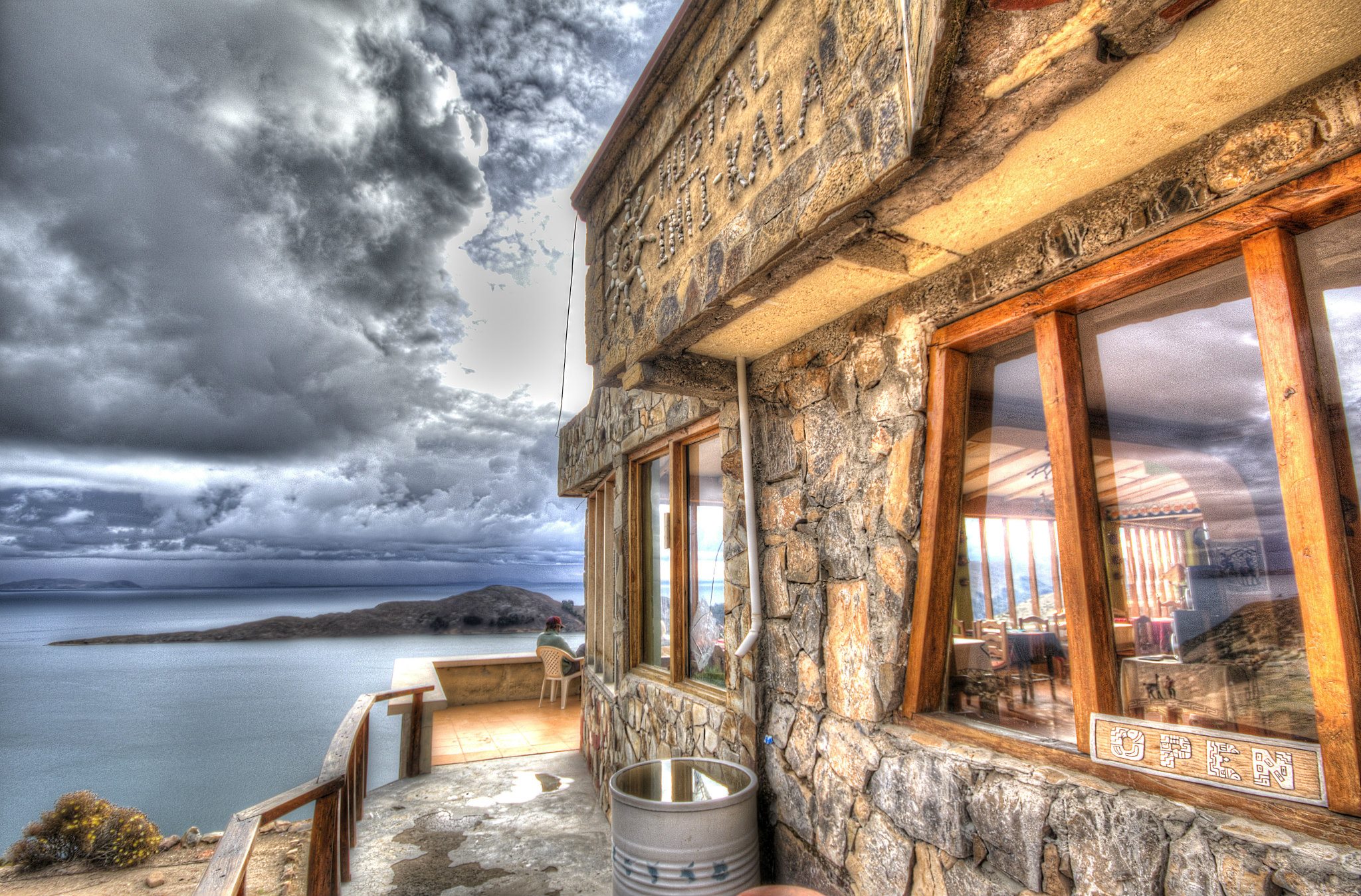
Traveling to Bolivia is an expedition into one of South America’s most varied and stunning nations. Located in the core of the continent, Bolivia presents a vibrant mix of landscapes, cultures, and experiences that enchant adventurous explorers and culture enthusiasts.
The Salar de Uyuni, the largest salt flat in the world, is one of Bolivia’s most famous landmarks. This dreamlike, extra-terrestrial terrain transforms into a massive mirror in the rainy season, producing an enchanting reflection of the heavens. It’s a dream come true for photographers and a memory that lasts forever. Close by, you can discover vibrant lagoons, geysers, and arid terrains that appear like they’re from a different world.
In the west, La Paz—the world’s highest administrative capital—rests in a stunning valley encircled by mountains. The city buzzes with lively markets, distinctive street cuisine, and a fusion of contemporary and traditional Andean culture. Be sure to experience the Mi Teleférico cable cars, providing picturesque views and a unique means to discover the city from the sky.
To the southeast, Potosí and Sucre showcase Bolivia’s colonial past. Potosí, formerly one of the wealthiest cities globally because of its silver mines, provides historical tours of these mines, while Sucre captivates with its pristine white buildings and laid-back vibe.
Nature enthusiasts ought to visit the Amazon Basin or Madidi National Park, where you can explore the vibrant rainforest and observe distinctive wildlife. Simultaneously, Lake Titicaca, which it shares with Peru, is a tranquil and sacred place featuring traditional island communities and breath-taking views.
Exploring Bolivia is cost-effective, packed with surprises, and provides significant cultural experiences. Whether you’re hiking at high elevations, discovering native customs, or just enjoying natural marvels, Bolivia offers an undeniably memorable experience.
In this article, we will give you our list of the best things you should do and see when you visit Bolivia.
Go See the World-Famous Bolivian Salt Flats (Salar de Uyuni)
A trip to the renowned Salar de Uyuni in Bolivia is an extraordinary and unforgettable experience. Situated in southwest Bolivia, close to the Andes’ summit, Salar de Uyuni is the world’s largest salt flat, covering more than 10,000 square kilometers. This extensive, shimmering area of white salt is all that is left of an ancient lake that dried up ages ago, resulting in a dazzlingly white, level terrain that extends as far as one can see.
In the dry season (May to October), the salt crust becomes dry and fractured, forming a striking, otherworldly landscape ideal for imaginative photography and lengthy strolls across what appears to be an infinite expanse. However, in the rainy season (November to March), a delicate layer of water turns the flats into a flawless mirror, mirroring the sky and producing the illusion of strolling on clouds. This occurrence makes Salar de Uyuni one of the most captured natural marvels on the planet.
Visitors can join guided tours from the neighboring town of Uyuni, typically featuring excursions to surreal sights like the Train Graveyard, vibrant high-altitude lagoons, geysers, and volcanic formations. Certain tours also provide an opportunity to spend the night in distinctive salt hotels, constructed mainly from salt blocks.
Salar de Uyuni is not only breath-taking but also significant for Bolivia’s economy. The salt flats hold some of the largest lithium reserves globally, a vital element in rechargeable batteries.
Whether you’re admiring the reflective surface, observing stars beneath the clearest heavens, or just soaking in the tranquility of the expansive terrain, visiting Salar de Uyuni is a unique experience that astonishes travelers.

Discover Vibrant Lagoons, Geysers, and Arid Terrains in Bolivia
Bolivia is a nation of remarkable contrasts, and some of its most enchanting characteristics include its lively lagoons, bubbling geysers, and dramatic dry landscapes. These natural marvels, particularly in the country’s south-western area close to the Andes, form a surreal scenery that resembles entering a different planet.
A standout feature is the Eduardo Avaroa Andean Fauna National Reserve, which boasts a collection of breath-taking high-altitude lagoons, each boasting its distinct color. The most well-known is the Laguna Colorada, a shallow lake with a red hue caused by algae and abundant minerals, framed by snow-covered mountains. Flamingos assemble in the lagoon, forming an uncanny juxtaposition of pink birds standing in red water. Close by, Laguna Verde glimmers with a surreal green because of its mineral composition and rests in the shadow of the majestic Licancabur Volcano.
The area features surreal geysers and hot springs, including Sol de Mañana, a geothermal site where steam escapes from openings and bubbling mud pools send vapor into the cold mountain atmosphere. The scent of Sulphur enhances the raw, elemental sensation, providing insight into Earth’s geological strength.
Encompassing these attributes are vast dry landscapes and deserts, such as the Siloli Desert, famous for its unusual rock formations like the “Stone Tree” (Árbol de Piedra). The arid terrains, molded by harsh winds and the passage of time, are stark yet stunningly beautiful.
Discovering these areas typically necessitates a multi-day 4×4 expedition beginning from the towns of Uyuni or San Pedro de Atacama in Chile. The path is challenging yet immensely fulfilling, showcasing a Bolivia that is wild, vibrant, and rich in geological marvels. These natural wonders leave a lasting impression on every traveler who enjoys nature and adventure.


Discover La Paz – The World’s Highest Administrative Capital
Nestled dramatically in a deep valley encircled by majestic Andean mountains, La Paz, Bolivia, claims the title of the world’s highest administrative capital, positioned at approximately 3,650 meters (11,975 feet) above sea level. Featuring breath-taking landscapes, a vibrant cultural legacy, and bustling streets, La Paz is an extraordinary place for visitors seeking a distinctive and remarkable experience—both literally and metaphorically.
What distinguishes La Paz right away is its setting. The city cascades down the slopes of a bowl-shaped canyon, with the snow-covered Illimani Mountain towering in the background. At the elevated edge of the city sits El Alto, a neighboring town that is even higher and boasts its own lively markets and cultural scene. Traveling around is notably picturesque due to the Mi Teleférico, the highest and longest urban cable car system globally, providing breath-taking views as it moves across the vast city?
La Paz is an intriguing mix of conventional indigenous heritage and contemporary city living. The Witches’ Market (Mercado de las Brujas) is a site you can’t miss, featuring stalls filled with dried herbs, traditional remedies, and even llama foetuses utilized in local ceremonies. To enjoy a more contemporary vibe, the city’s cafes, museums, and nightlife provide a vibrant counterpoint.
Culturally, La Paz vibrates with music, art, and customs. The San Francisco Church and the Museum of Ethnography and Folklore showcase the rich historical foundations of the city. And if you find yourself in the city for a festival such as Gran Poder, you will see the streets come alive with vibrant colors, dance, and passion.
La Paz serves as a portal to amazing experiences such as the Death Road and Tiwanaku ruins, while also being a vibrant city that encourages visitors to discover the essence of Bolivia with curiosity and a sense of adventure.
Visit the Beautiful Cities of Potosí and Sucre in Bolivia
Exploring the historic cities of Potosí and Sucre in Bolivia provides visitors an intriguing view of the nation’s colonial history, remarkable architecture, and vibrant cultural legacy. These two cities, recognized as UNESCO World Heritage Sites, are not only stunning but also crucial for grasping Bolivia’s intricate history.
Potosí, formerly one of the wealthiest cities globally, gained prominence during the Spanish colonial period due to its extensive silver mines on Cerro Rico (“Rich Mountain”). A trip to the mines provides a striking, enlightening experience as you navigate tunnels currently utilized by miners, shedding light on the city’s prosperous history and its contemporary issues. The colonial architecture of Potosí, featuring magnificent churches, intricate facades, and cobblestone roads, narrates tales of prosperity and hardship that have influenced Bolivia’s identity.
In comparison, Sucre—recognized as Bolivia’s constitutional capital—is a city characterized by whitewashed structures, tree-filled squares, and a calmer vibe. Commonly known as “La Ciudad Blanca” (The White City), Sucre is celebrated for its stunning colonial architecture and temperate climate. The city hosts the Casa de la Libertad, where Bolivia’s independence declaration was signed, establishing it as an important location for Bolivian national pride. Sucre also features outstanding museums, such as the Textile Museum ASUR, which showcases the traditional weaving practices of the Andes’ indigenous peoples.
Potosí and Sucre together showcase two aspects of Bolivia’s historical and cultural path—from the arduous work in the silver mines to the elegant halls of independence. Journeying between the two is fairly simple, and both present distinct allure, rich history, and welcoming local friendliness. Whether you’re strolling through the colonial plazas of Sucre or delving into the heritage of Potosí’s mining empire, these cities guarantee lasting memories and a greater insight into Bolivia.

Visit the Amazon Basin or Madidi National Park in Bolivia
Exploring the Amazon Basin and Madidi National Park in Bolivia provides an unforgettable experience in one of the planet’s most diverse and pristine areas. Situated in the northern lowlands of the country, Madidi is a section of the larger Amazon rainforest, extending from the Andes into the tropical jungle, which results in a remarkable variety of ecosystems—from cloud forests to lowland rainforests.
Madidi National Park is famous for its remarkable biodiversity. It houses over 1,000 bird species, numerous types of mammals such as jaguars, monkeys, and tapirs, along with a vast array of reptiles, amphibians, and insects. This renders it one of the most varied national parks globally. For enthusiasts of nature, researchers, and eco-travelers, it’s an ideal place to visit.
The entry point to Madidi is the quaint town of Rurrenabaque, accessible by a quick flight from La Paz or an exciting bus journey through the mountains. From Rurrenabaque, guided excursions lead tourists deep into the park for hikes, river trips, and overnight experiences at eco-lodges or community-managed camps. Knowledgeable guides—frequently part of local Indigenous groups—offer insights into medicinal flora, animal habits, and eco-friendly lifestyle methods.
In contrast to other regions of the Amazon, Madidi is still largely pristine, and the conservation initiatives are robust, allowing for visits that are both significant and environmentally friendly. Tourists can glide along rivers in canoes, trek through thick jungle, and hear the wildlife sounds beneath a tree canopy—a humbling and enchanting experience.
Whether you’re hiking its paths or observing animals by the riverbanks, a trip to Madidi and Bolivia’s Amazon area provides a genuine, immersive experience in one of the planet’s last vast wilds, fostering a profound admiration for Bolivia’s natural wonders.


Visit Lake Titicaca in Bolivia
A trip to Lake Titicaca, the world’s highest navigable lake, is essential for anyone journeying through Bolivia. Perched at an elevation exceeding 3,800 meters (12,500 feet), this expansive and enigmatic lake lies on the boundary between Bolivia and Peru, possessing considerable cultural, historical, and natural importance. On the Bolivian side, the delightful town of Copacabana acts as the main access point to the lake’s marvels.
Lake Titicaca has been highly regarded by the Indigenous Aymara and Quechua cultures and is deemed the mythical origin of the Inca civilization. As per Incan mythology, the deity Viracocha rose from the lake’s depths to bring forth the sun, moon, and mankind. That spiritual essence remains, bestowing the lake with a tranquil and nearly supernatural ambiance.
From Copacabana, tourists can travel by boat to Isla del Sol (Island of the Sun), the biggest island on the lake, thought to be the true birthplace of the first Inca king, Manco Cápac. The island showcases historic ruins, stepped hillsides, and sweeping vistas that make it ideal for trekking and discovery. Additionally, there’s Isla de la Luna (Island of the Moon), which features ruins of an Inca convent and breath-taking lake views.
In addition to its vibrant cultural history, Lake Titicaca provides serenity, clean air, and a retreat from hectic city life. The local communities uphold traditional lifestyles, offering chances for cultural exchange and homestay adventures.
Whether you’re admiring the sunrise above the Andes from a lakeside vantage point or savoring freshly caught trout from the lake, a trip to Lake Titicaca presents beauty, spirituality, and a profound link to Bolivia’s indigenous culture and natural scenery.
Try Bolivian Food While Visiting Bolivia
Tasting Bolivian cuisine is a crucial aspect of immersing oneself in the nation’s vibrant culture and heritage. Bolivian food is a tasty mix of Indigenous, Spanish, and local influences, featuring robust meals, distinct spices, and fresh local produce as the highlight. Each area of Bolivia has its unique specialties, turning food exploration into a delightful journey across the nation.
Salteñas are among the most famous dishes, consisting of delightful baked pastries filled with a hearty blend of meat, potatoes, peas, olives, and a mildly sweet, spicy broth. Frequently enjoyed as a breakfast treat, salteñas are an essential street food that locals adore. A well-liked dish is silpancho, featuring a plate heaped with rice, potatoes, a thin breaded beef patty, fried egg, and salad—satisfying, tasty, and readily accessible.
If you find yourself in La Paz or Cochabamba, be sure to try api con pastel, a hot, spiced beverage made from purple corn, accompanied by a cheese pastry that is deep-fried. For an authentic Bolivian barbecue experience, sample anticuchos, which are skewered beef heart that’s grilled and accompanied by a spicy peanut sauce and potatoes—a quintessential street food usually found at night markets.
In the highlands, chairo soup is a comforting traditional meal prepared with dried meat (charque), vegetables, chuño (freeze-dried potatoes), and spices. In the meantime, the lowland areas present tropical tastes and meals such as majadito, a rice and dried meat dish accompanied by plantains and eggs.
Vegetarians can enjoy tasty choices such as papas rellenas (stuffed potatoes) and an assortment of filling soups. And remember Bolivian sweets—tawa tawa (dough fried with syrup), queso humacha (corn dish with cheese), and flan de coco are merely a few to savor.
Tasting Bolivian cuisine provides not just flavor enjoyment but also a richer bond with the varied cultures and scenery of this intriguing nation.

Visit Mi Teleferico in Bolivia
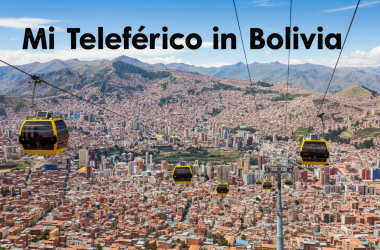
A trip to Mi Teleférico, the largest and highest urban cable car system in the world, is essential when visiting La Paz, Bolivia. This cutting-edge transit system is not only a means of travel—it’s a remarkable adventure that provides stunning vistas of the nearby mountains, extensive urban landscapes, and lively communities of La Paz and El Alto.
Inaugurated in 2014, Mi Teleférico was created to alleviate traffic congestion and link the hilly areas between La Paz and El Alto. Currently, it has grown to incorporate ten color-coded lines covering over 30 kilometers, establishing it as the largest aerial cable car system globally. It represents not only a wonder of contemporary infrastructure but also a reflection of Bolivia’s advancement and creativity.
Every line presents a unique viewpoint of the city. For instance, the Red Line links central La Paz to El Alto and delivers breath-taking views of Mount Illimani, whereas the Yellow and Green Lines provide expansive glimpses of the city’s vast valleys and impressive structures. The Silver Line, among the briefest, provides rapid access to vibrant markets and community life.
Taking Mi Teleférico is very inexpensive, tidy, and secure. It’s favoured by both residents and visitors and runs from dawn until nightfall. Numerous tourists utilize the system not only for transportation but also to design their own DIY city tours, getting on and off to discover parks, museums, markets, and eateries.
Whether you’re appreciating the vibrant homes perched on cliffs or witnessing the sunset over the Andes, Mi Teleférico offers unforgettable views. It’s among the finest methods to view La Paz from a height—providing both useful transport and an exceptionally distinctive travel adventure.

See the Sunset at the Valley of the Moon in Bolivia
A truly surreal and awe-inspiring experience in Bolivia is witnessing the sunset at the Valley of the Moon (Valle de la Luna), located just a brief drive from downtown La Paz. This surreal terrain, shaped by ages of wind and water erosion, is a labyrinth of soaring spires, sharp peaks, and strange rock structures that mimic the moon’s surface—thus its name.
As the sun starts to set behind the Andes, the whole valley changes. The stone structures change hues, transitioning from pale beige and gray to deep oranges, reds, and purples. The shadows grow darker in the nooks and summits, producing a nearly enchanting ambiance that seems distant from the nearby lively capital. It’s a photographer’s ideal scenario and a serene experience for visitors aiming to engage with Bolivia’s stunning landscapes.
There are hiking paths scattered across the Valley, most of which can be navigated in around 45 minutes to an hour. Along the journey, you will encounter viewpoints that provide sweeping views ideal for observing the sunset. Certain paths feature signs that highlight intriguing formations, such as rocks resembling animals or human faces.
The Valley of the Moon can be found in the Mallasa district, approximately 10 kilometres south of La Paz’s city centre, and is conveniently reachable by taxi or local minibus. It is advisable to reach at least an hour prior to sunset to appreciate the stroll and discover the ideal viewing location. Make sure to bring a light jacket—temperatures fall rapidly once the sun sets.
Observing the sunset at the Valley of the Moon is an unforgettable and peaceful moment, merging Bolivia’s breath-taking scenery with a tranquility that lingers beyond the occasion.

Visit Sun Island Ruins in Bolivia
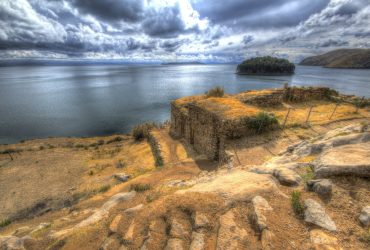
Exploring Sun Island (Isla del Sol) on Lake Titicaca feels like entering a vibrant museum rich with ancient history, legends, and stunning nature. Situated in the southern area of the lake, close to the town of Copacabana, Sun Island is thought to be the mythical origin of the Inca civilization, rendering it a significant spiritual and cultural feature of any journey to Bolivia.
One of the island’s main attractions is its remarkable Inca ruins, positioned amid striking landscapes of terraced hills, eucalyptus trees, and sweeping vistas of Lake Titicaca’s vibrant blue waters. The most prominent ruin is the Sacred Rock (La Roca Sagrada), which the Incas thought was the birthplace of the sun god. Close by, you can explore the Chincana ruins, referred to as the Labyrinth, an enigmatic stone structure believed to have served as a temple or a ceremonial location.
The Pilkokaina Palace, an ancient Inca structure, is another essential attraction that likely functioned as a resting spot for Inca aristocrats. The ruins are small in scale yet abundant in historical and cultural significance, particularly when accompanied by tales shared by local guides.
To get to Sun Island, you can catch a boat from Copacabana, which usually takes around 1.5 to 2 hours. Once you arrive on the island, get ready to hike—there are no motorized vehicles, and the landscape is rough yet fulfilling. The elevated altitude (exceeding 3,800 meters above sea level) can render hiking difficult, so pace yourself and maintain hydration.
Time spent on Sun Island offers both a cultural exploration and an opportunity to relax in a peaceful, picturesque setting. Whether you’re a fan of history or a lover of nature, the remnants of Sun Island provide an unforgettable experience in the midst of the Andes.
Festivals in Bolivia
Bolivia hosts a lively and varied assortment of festivals that highlight its rich cultural legacy and deep indigenous customs. The nation’s celebrations are firmly anchored in its past, intertwining aspects of native traditions and Catholic practices, offering an ideal opportunity to immerse oneself in the regional lifestyle.
The Carnaval de Oruro is one of Bolivia’s most renowned festivals, acknowledged by UNESCO as a Masterpiece of the Oral and Intangible Heritage of Humanity. Taking place every year in the town of Oruro, this vibrant festival showcases a stunning array of costumes, music, and customary dances. The carnival honors the blend of Andean and Catholic customs, showcasing lively parades, the renowned Diablada (Devil Dance), and spiritual rituals. It’s a vital experience for anyone who visits Bolivia during the holiday season.
Another significant celebration is the La Paz Festival of the Virgin of Candelaria, which takes place in early February. This celebration features customary dances, parades, and acts that pay tribute to the Virgin of the Candelaria, the patroness of La Paz. The city’s streets burst with music, attire, and dance, generating a vibrant ambiance across the capital.
In the mountains, the Sun Festival (Inti Raymi) takes place in June. This historic Inca celebration honors the sun deity, Inti, and holds particular importance in locations such as Potosí and Sucre. The festivities feature customary rituals, gifts, and spirited dances, showcasing Bolivia’s strong ties to its indigenous heritage.
Lastly, Dia de los Muertos (Day of the Dead), observed in November, is an important festival in Bolivia. Families pay tribute to their departed kin with gifts like food, flowers, and candles, and they go to cemeteries to foster spiritual ties.
Festivals in Bolivia are a vibrant showcase of culture, color, and history, providing an unforgettable opportunity to dive into the nation’s traditions and essence.