


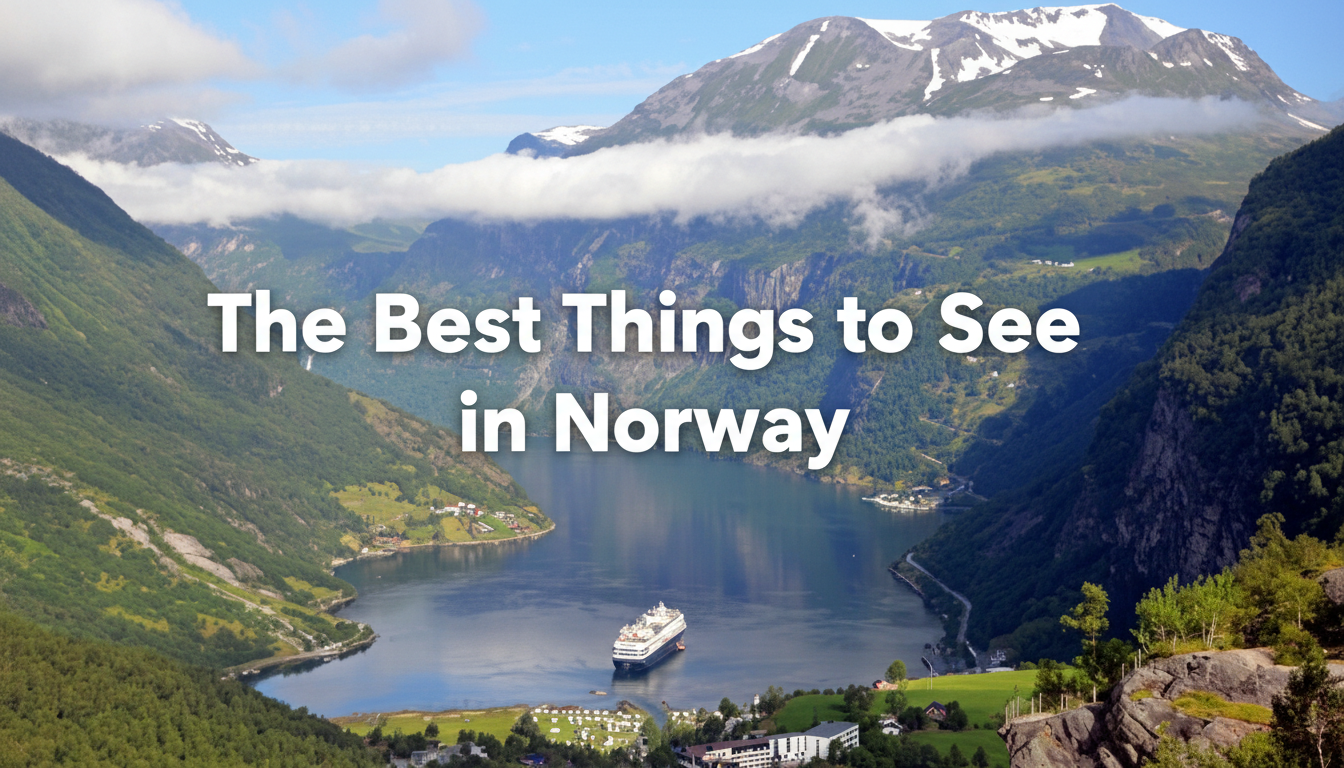
Dramatic landscapes, a rich Viking past, and contemporary Scandinavian culture all come together spectacularly in Norway, a place that seems almost unreal. Norway boasts some of the most stunning scenery on Earth, from towering fjords sculpted by ancient glaciers to vibrant coastal towns and vast Arctic wilderness. This Nordic treasure delivers amazing experiences in every season, whether you’re thinking of your next getaway or organizing a once-in-a-lifetime excursion.
Norway’s famous natural features, such as snow-capped mountains, strong waterfalls, deep fjords like Geirangerfjord and Naerøyfjord, and the enchanted Northern Lights dancing across the sky, entice tourists. Beyond its breath-taking scenery, Norway’s cities are lively and hospitable, fusing modern architecture with age-old customs. Each of Oslo, Bergen, and Tromsø offers distinctive cultural experiences, top-notch museums, historic buildings, and amazing culinary scenes based on locally sourced, fresh ingredients.
Outdoor enthusiasts and adventurers will find nirvana in Norway. Discovering the Arctic Circle, kayaking crystal-clear seas, skiing immaculate slopes, traveling through fjords, and hiking fabled paths are just a few of the amazing experiences that await you here. Norway’s serene rhythm, tidy cities, and close relationships to the natural world will appeal to even leisurely tourists who want to explore at their own speed.
We’ll walk you through the top attractions in Norway in this guide, from must-see sites and picturesque itineraries to undiscovered treasures and lesser-known locations. Norway offers beauty, adventure, and inspiration at every turn, whether you travel in the winter’s icy wonderland or the summer’s boundless daylight.
-
The Norwegian Fjords (Geirangerfjord & Nærøyfjord)
Geirangerfjord and Naerøyfjord are two of the most striking examples of the Norwegian fjords, which are among the world’s most beautiful natural landscapes. Celebrated for their striking cliffs, clear blue seas, and strong waterfalls that plunge directly into the fjord below, both are UNESCO World Heritage Sites.
Perhaps Norway’s most well-known fjord, Geirangerfjord is renowned for its striking landscape. The fjord, which has fabled waterfalls like the Seven Sisters, The Suitor, and Bridal Veil, is surrounded by tall mountains. Geirangerfjord can be explored by kayak, fjord cruise, or driving the picturesque mountain roads above, which include the stunning vistas at Flydalsjuvet and Ørnesvingen. Summertime is a photographer’s paradise because of the vibrant contrast of colors created by the lush foliage and melting snow.
A more personal and spectacular experience can be had at Naerøyfjord, a fork of the greater Sognefjord. It is one of Europe’s smallest fjords, measuring only 250 meters in certain places. Awe and tranquility are evoked by steep granite walls that rise almost vertically from the lake. The fjord is particularly well-liked for kayaking and boat tours, which let guests glide gently amid its unspoiled natural splendor.
When combined, Geirangerfjord and Næøyfjord demonstrate the untamed strength and enduring beauty of Norway’s terrain. These fjords provide an amazing experience and continue to be a highlight of any vacation to Norway, whether they are viewed from the water, mountain paths, or picturesque roadways.

2. The Lofoten Islands in Norway
One of Norway’s most remarkable travel locations, the Lofoten Islands are renowned for their striking mountain peaks, quaint fishing communities, and pristine Arctic waters. Travelers visiting Norway should not miss this breath-taking archipelago, which is situated above the Arctic Circle and offers a unique blend of untamed wildlife and lively coastal culture.
Some of Scandinavia’s most picturesque views are formed by towering Granite Mountains rising dramatically from the sea. Set among fjords and sharp peaks, iconic communities like Reine, Hamnøy, and Sakrisøy are well-known for their red wooden rorbuer homes. Because of the Gulf Stream, the Lofoten Islands have comparatively mild temperatures despite its northern location, making it comfortable for tourists to explore all year round.
Adventures in the outdoors are really appealing. Visitors can kayak through serene fjords, surf Arctic waves at Unstad Beach, or trek beautiful paths like Reinebringen. Opportunities to see seabirds, whales, and sea eagles are frequent wildlife encounters. The islands become one of Norway’s top spots to see the Northern Lights in the winter, and in the summer, the enchanted Midnight Sun illuminates the surroundings with golden light throughout day and night.
Lofoten has a strong cultural heritage as well. For ages, fishing has affected the local way of life, and museums like the Lofotr Viking Museum provide light on the Viking heritage of the area. The Lofoten Islands provide a genuinely unique experience that embodies Norway’s wild spirit, whether you’re looking for adventure, peace, or breath-taking landscape.

3. Tromsø and the Northern Lights in Norway
Travelers visiting Norway should not miss Tromsø, since it is one of the best places in the world to see the Northern Lights. This energetic city, which is located well above the Arctic Circle, offers some of the best aurora watching conditions on Earth along with modern culture, adventure, and breath-taking Arctic scenery.
Aurora hunters who want to see the sky dance with green, purple, and pink lights are drawn to Tromsø between late September and early April. The likelihood of seeing the Northern Lights is very great because of its location within the Auroral Oval. Visitors can observe the phenomena from neighboring mountains, fjords, and isolated valleys, or they can take part in guided aurora tours that travel into darker regions away from city lights.
There is much to discover in Tromsø outside of the Northern Lights. The city is home to the Fjellheisen cable car, which offers sweeping views of the city, fjords, and neighboring peaks, and the spectacular Arctic Cathedral, which is renowned for its distinctive modern style. Dog sledding, snowmobiling, and whale-watching excursions are available in the winter, while hiking, kayaking, and the breath-taking Midnight Sun are available in the summer.
With museums, eateries, and cafés that highlight Arctic history and food, Tromsø also has a vibrant cultural scene. Norway’s history of arctic exploration is revealed through the Polaria Museum and arctic Museum. Tromsø is one of the best locations in the world to witness the Northern Lights in all their splendor and offers an amazing Arctic experience by fusing natural wonder with urban charm.

4. Visiting Oslo – Norway’s Modern Capital
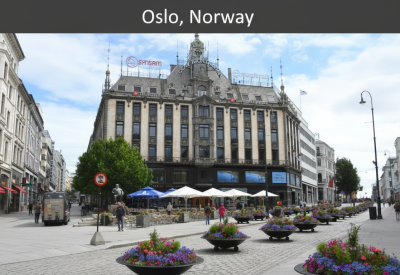
Oslo, the energetic capital of Norway, is a city that combines stunning scenery, rich history, and state-of-the-art architecture. Oslo is a must-see destination on any Norwegian itinerary because it provides visitors with the ideal fusion of urban refinement and outdoor adventure, nestled between the Oslofjord and forested hills.
The rebuilt coastal neighborhood of Bjørvika, which is home to famous sites like the Oslo Opera House, is a prime example of the city’s modern identity. Its tilting marble roof offers visitors sweeping views of the city skyline and fjord. Nearby, Norway’s most significant art and design collections are housed under one roof at the new National Museum, while the spectacular MUNCH Museum honors the life and work of Edvard Munch.
The historical aspect of Oslo is also fascinating. From Viking exploration to medieval defense, the Viking Ship Museum (now undergoing renovations) and Akershus Fortress provide intriguing insights into Norway’s past. A stroll through areas like Grünerløkka reveals a vibrant atmosphere with boutiques, street art, and cafés.
In Oslo, nature is never far away. By hiking in the surrounding forests, bathing in the fjord, or skiing in the neighboring slopes in the winter, the locals embrace the idea of friluftsliv, or “open-air living.” Just a short ferry ride from the city center, the Oslofjord islands provide tranquil getaways.
Oslo stands out as a contemporary European center that seems both vibrant and refreshingly close to nature thanks to its top-notch culinary options, creative architecture, and easy access to the natural world.
5. Bergen and Bryggen Wharf: Norway’s Gateway to the Fjords
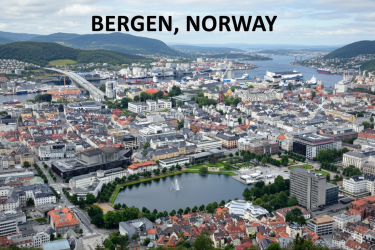
One of Norway’s most picturesque and ancient cities is Bergen, which is frequently referred to as the entrance to the country’s fjords. Bergen, which is surrounded by seven mountains and the North Sea, is a must-see location in western Norway because of its striking natural beauty and historic maritime history.
Bryggen Wharf, one of Norway’s most famous landmarks and a UNESCO World Heritage Site, is located in the center of the city. The vibrant wooden structures that line the port are remnants of the Hanseatic League period, when Bergen was a significant European commercial hub for goods, grain, and fish. These exquisitely preserved buildings are now home to galleries, museums, artisan stores, and cafés, giving tourists a chance to explore contemporary culture while traveling back in time.
Discovering secret courtyards and centuries-old timber walls that tell tales of traders and sailors can be found by meandering around Bryggen’s winding lanes. The Hanseatic Museum, which features real interiors and historical objects, provides a fuller understanding of daily life during this significant commercial era.
Bergen has a lot to discover outside of Bryggen. You can sample fresh seafood, such as shrimp, salmon, and traditional fish soup, at the vibrant Fish Market. Visitors can take the Fløibanen funicular to the summit of Mount Fløyen for stunning views of the surrounding mountains, fjords, and city.
Bergen and Bryggen Wharf, with their unique blend of history, culture, and breath-taking scenery, perfectly encapsulate Norway’s coastal charm and are a memorable place to begin fjord explorations.
6. Trolltunga (The Troll’s Tongue): Norway’s Most Daring Viewpoint
One of Norway’s most famous and magnificent natural sites is Trolltunga, often known as The Troll’s Tongue. Situated around 700 meters (2,300 feet) above the valley floor, this horizontal rock formation juts sharply out of a mountain over Lake Ringedalsvatnet, providing one of Scandinavia’s most memorable views.
Trolltunga is in western Norway, close to Odda. It is not reachable by car and requires a strenuous but worthwhile climb. Depending on the weather and degree of fitness, the 27-kilometer (17-mile) round-trip hike usually takes 10 to 12 hours to finish. Hikers encounter difficult highland terrain, alpine lakes, and expansive mountain views along the route, making the trip as unforgettable as the final destination.
It’s exhilarating to reach Trolltunga’s brink. There is a genuine sense of wonder and achievement while standing on the slender rock ledge, suspended far above the ocean below. The rock is sturdy despite its striking look, and people can safely climb on it to take pictures—one of the most well-known hiking photos in the world—if they take care.
Since the snow has melted and the weather is safer, June through September are the ideal months to explore Trolltunga. Particularly for novice hikers or those visiting in the early season, guided walks are strongly advised.
Trolltunga is the ideal representation of Norway’s untamed beauty and spirit of adventure. This fabled climb is an unforgettable highlight of any vacation to Norway for tourists looking for breath-taking scenery, a strenuous physical challenge, and unique vistas.

7. The Atlantic Ocean Road Drive: Norway’s Most Scenic Coastal Route
One of Norway’s most breath-taking and memorable scenic drives is the Atlantic Ocean Road (Atlanterhavsveien). With the striking North Atlantic Ocean pounding on both sides, this engineering marvel spans just over 8 kilometers (5 miles) along the untamed western coast, connecting a number of small islands and skerries with sweeping bridges.
The Atlantic Ocean Road, which is situated between Kristiansund and Molde, is well-known for its breath-taking views of the ocean, particularly during severe weather when waves crash over the bridges, producing an almost cinematic experience. The most famous part is the Storseisundet Bridge, which is sometimes referred to as the “roller-coaster bridge” because of its sharp curve and appearance of ending suddenly in mid-air.
Driving the Atlantic Ocean Road allows you to fully experience Norway’s unadulterated coastal splendor rather than only arriving at your destination. There are a number of picturesque pull-offs, walking trails, and vantage sites along the route where travelers can pause to snap pictures, go fishing, or just take in the striking scenery. Seabirds, seals, and occasionally whales can be seen offshore, and wildlife observations are frequent.
Although the route is open all year round, late spring to early autumn are the ideal times to visit because of the longer days and more pleasant weather. Nevertheless, a lot of tourists intentionally come during storms to witness the exhilarating sight of the wind and waves pounding the coast.
The Atlantic Ocean Road blends amazing engineering with stunning scenery, making it one of the most picturesque road excursions in the world. This famous Norwegian route offers a genuinely remarkable coastline experience, whether you’re driving, cycling, or stopping to explore the nearby islands.
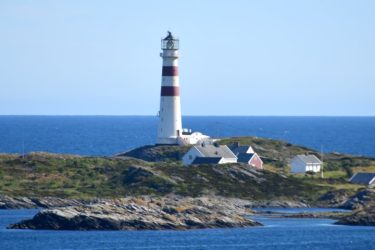

8. Jotunheimen National Park: Norway’s Alpine Adventure Paradise
One of Norway’s most breath-taking natural regions, Jotunheimen National Park is home to the nation’s tallest mountains, rough alpine terrain, and unspoiled wilderness. Jotunheimen, which covers more than 3,500 square kilometers in southern Norway and is referred to as the “Home of the Giants,” is a sanctuary for hikers, climbers, and outdoor enthusiasts looking for breathtaking scenery and life-changing experiences.
Galdhøpiggen, Norway’s tallest peak at 2,469 meters, and Glittertind, the second-highest, are both located in the park and provide strenuous walks and stunning sweeping views. Trails range from short strolls around glistening lakes to lengthy hikes through deep valleys, glaciers, and mountain ridges. Alpine meadows, tumbling waterfalls, and tranquil glacier lakes are among the breath-taking landscapes that reward hikers.
Jotunheimen is perfect for winter activities as well. The park becomes a playground for backcountry exploration, cross-country skiing, and snowshoeing during the winter months. The Midnight Sun in summer makes for extended days ideal for trekking, taking pictures, and discovering isolated homes and paths. Nature lovers will have enough to see in the park’s wildlife, which includes arctic foxes, wolverines, and reindeer.
Jotunheimen provides guided tours, camping, and mountain resorts for people looking for a full outdoor experience. The park is one of Norway’s most famous travel destinations because of its difficult terrain, breath-taking scenery, and abundant species.
Jotunheimen National Park embodies the raw, untamed character of Norway, whether you’re trekking along a glacier, standing atop a towering peak, or just taking in the peaceful beauty of alpine valleys. Anyone who wants to witness the nation’s natural splendor at its finest must go there.

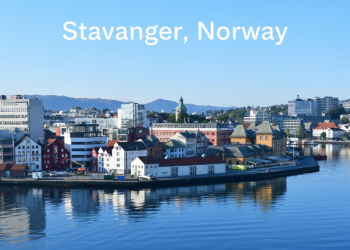
9. Visiting Stavanger: Norway’s Coastal Gem
Situated on the south-western coast of Norway, Stavanger is a dynamic city that skillfully blends modern culture, historical history, and breath-taking natural surroundings. Stavanger is a must-visit location for tourists visiting Norway’s fjord region, since it serves as the entry point to Lysefjord and famous sites like Preikestolen (Pulpit Rock).
The city’s historic core is a quaint blend of boutique stores, vibrant wooden homes, and cobblestone streets. With more than 170 intact wooden structures from the 18th and 19th centuries, Gamle Stavanger provides a charming window into the city’s history. Visitors can explore local art galleries, visit cafés, and meander through the winding alleyways. With museums like the Norwegian Petroleum Museum, which examines Norway’s oil sector, and the Stavanger Art Museum, which showcases both modern and traditional pieces, Stavanger also has a vibrant cultural environment.
The coastal area of Stavanger is a popular destination for outdoor activities. Lysefjord, where visitors can trek to Preikestolen or explore the fjord by boat or kayak, is only a short drive from the city. The surrounding area offers mountain paths, waterfalls, and picturesque vantage spots that showcase Norway’s striking scenery for those who enjoy the outdoors.
The city’s dining scene combines foreign cuisine with traditional Norwegian seafood. Stavanger is a food lover’s heaven with its exquisite dining establishments, quaint cafés, and fresh fish markets. The vibrant mood of the city is further enhanced by cultural events and seasonal festivals.
Stavanger provides a comprehensive Norwegian experience with its blend of natural beauty and historic charm. Visitors find Stavanger an ideal starting point for experiences along Norway’s southwest coast, whether they want to explore the fjords, explore the ancient town, or try the local food.

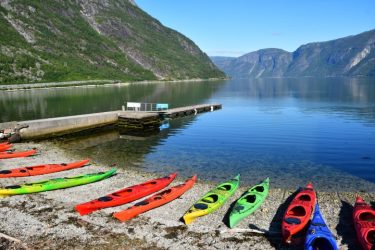
10. Visiting Eidfjord: Norway’s Fjordside Paradise
Situated in the Hardangerfjord region of Norway, the charming village of Eidfjord provides visitors with a tranquil and genuine fjord experience. Eidfjord, which is surrounded by tall mountains, tumbling waterfalls, and verdant valleys, is the ideal location for adventurers and nature enthusiasts wishing to enjoy Norway’s famous scenery.
Vøringsfossen, one of Norway’s tallest waterfalls that plunges 182 meters into the Måbødalen valley below, is one of Eidfjord’s most well-known natural attractions. In addition to walking pathways that loop through the neighboring mountains providing breath-taking views, visitors can take in the falls from designated viewpoints. The largest mountain plateau in Europe, Hardangervidda National Park, is conveniently located near Eidfjord and provides countless chances for hiking, fishing, and wildlife viewing.
The hamlet itself is modest yet attractive, with local stores, quaint cafés, and classic Norwegian architecture. Fjord cruises, which take visitors to Hardangerfjord’s deep seas and striking cliffs, begin in Eidfjord. The area’s natural appeal is enhanced by cherry trees in blossom and seasonal fruit orchards, particularly in the spring and summer.
Eidfjord is a center for adventure travel since it is perfect for outdoor pursuits including fishing, cycling, and kayaking. The surrounding mountains offer snowshoeing and skiing in the winter, making it a year-round destination.
Eidfjord offers a unique and genuine Norwegian experience, whether you’re looking for serene fjord views, hiking paths through unspoiled wilderness, or a starting point for discovering Norway’s striking waterfalls and national parks. It is a must-see location on every Hardangerfjord itinerary because of its blend of peace, outdoor adventure, and natural beauty.
11. Festivals in Norway: Celebrating Culture, Music, and Tradition
In addition to its breath-taking scenery, Norway is well-known for its colorful festivals that honor customs, music, culture, and cuisine. Norway’s festivals provide visitors with an immersive view of the nation’s culture and contemporary way of life, ranging from vibrant metropolis events to distinctive rural celebrations.
The Bergen International Festival, which takes place every spring, is one of the most famous occasions. Artists and tourists from all over the world come to this event, which blends classical music, opera, theatre, and dance. Bergen is made even lovelier by its picturesque location among fjords. Both local and foreign audiences attend Oslo’s Oslo Jazz Festival and Norwegian Wood Music Festival, which feature both modern and classic music.
The St. Olaf Festival in Trondheim honors medieval history with concerts, processions, and historical re-enactments for anyone interested in traditional Norwegian culture. The Sami Easter Festival in Tromsø offers a distinctive Arctic experience by showcasing indigenous Sami culture through traditional sports, music, and handicrafts.
In Norway, summer is festival season. The Molde International Jazz Festival and the Sea Festival in Ålesund combine entertainment, regional cuisine, and seaside appeal in coastal communities. Cultural performances take place beneath the enchanted aurora borealis during winter events such as Tromsø’s Northern Lights Festival.
Foodies will love Oslo’s Matstreif, Norway’s national food festival, which features regional cheeses, fish, and farm-to-table delights. In the meantime, Norway’s historical appeal is highlighted by the Røros Festival, which combines music, art, and crafts in the UNESCO-listed mining town.
Norway’s festivals provide a vibrant opportunity to explore the nation beyond its natural beauty, from music and art to cultural heritage and seasonal celebrations. They are a crucial component of any vacation schedule since they showcase Norway’s varied customs, inventive energy, and love of group celebration.