



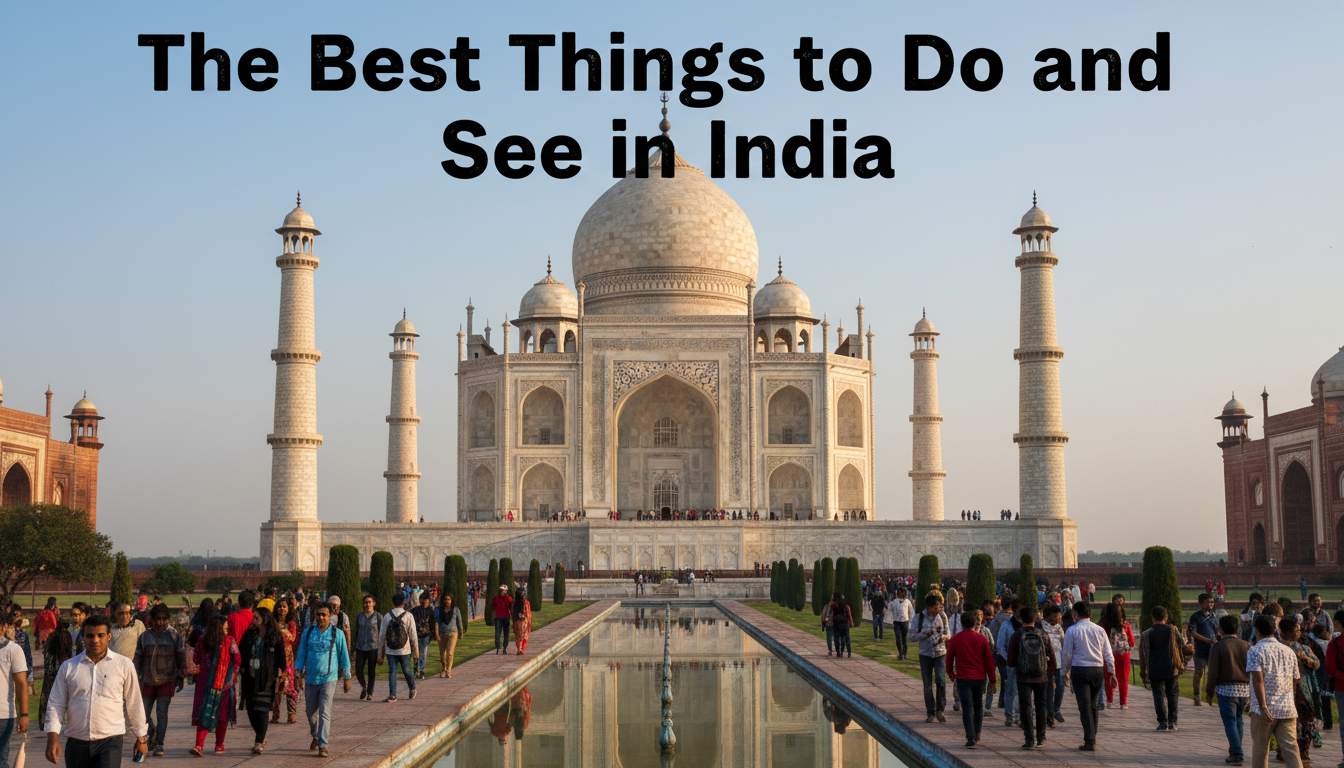
Journeying to India is an enchanting experience that guarantees a vibrant mix of culture, history, and scenic landscapes. Being one of the most varied nations globally, India provides a unique experience for every type of traveler — from vibrant cities and tranquil villages to stunning scenery and historical sites.
India’s urban areas are a flurry of energy and enthusiasm. In Delhi, you can visit historic sites like the Red Fort and the Qutub Minar while immersing yourself in the lively hustle of markets like Chandni Chowk. Mumbai, the financial hub of India, is famous for its vibrant energy, the renowned Gateway of India, and its ties to Bollywood. For a more easy-going atmosphere, Goa’s sun-drenched beaches and relaxed lifestyle are ideal for chilling out.
Nature enthusiasts will discover a paradise in locations such as the Himalayas to the north, the tranquil backwaters of Kerala in the south, or the expansive Thar Desert in Rajasthan. Nature lovers can observe tigers in Ranthambore National Park or appreciate the variety of bird species in Bharatpur Bird Sanctuary.
Indian food is an adventure on its own. Every region features its distinct tastes, ranging from the fiery curries of Punjab to the subtle dosas of Tamil Nadu. Street food, including pani puri and chaat, provides fast and tasty snacks, whereas fine dining experiences highlight the nation’s gastronomic creativity.
When visiting India, it’s important to prepare in advance. Public transport such as buses and trains is economical but may be packed, whereas rideshares and personal vehicles provide convenience and adaptability. Honour local traditions, wear appropriate clothing, and embrace new opportunities.
India is not merely a place to visit — it’s a journey. With its vibrant history and varied landscapes, along with friendly hospitality and delicious cuisine, every experience here is guaranteed to be memorable. Allow the enchantment of India to reveal itself to you. In this article, we will give you our suggestions what to do and see in India.
Visit the Historic City of Delhi, India
Exploring the historic city of Delhi, India feels like entering a lively tapestry interwoven with centuries of history, culture, and contemporary life. As the nation’s capital, Delhi presents a distinctive mixture of historic landmarks, lively markets, varied food options, and modern living, making it an essential stop for visitors.
A visit to Delhi wouldn’t be complete without seeing the Red Fort, a beautiful red sandstone castle that formerly served as the residence for Mughal emperors. Close by is Jama Masjid, among the biggest mosques in India, where you can ascend the minaret for extensive views of Old Delhi. Only a brief stroll away, Chandni Chowk invites you with its winding streets lined with spice markets, jewellery stores, and some of the finest street food you will ever savour.
In comparison, New Delhi features broad avenues and impressive buildings. Explore India Gate, a memorial honouring soldiers, and enjoy a relaxing walk down the Rajpath towards Rashtrapati Bhavan, the President’s Residence. Another famous landmark is the Qutub Minar, a 73-meter tall tower constructed in 1193, encircled by elaborate ruins and vibrant gardens.
For those on a spiritual journey, the Lotus Temple and Akshardham Temple provide serene escapes from the urban chaos. Fans of history must visit Humayun’s Tomb, a stunning forerunner to the Taj Mahal.
Delhi is truly a haven for culinary enthusiasts. From creamy parathas in Paranthe Wali Gali to flavorful Mughlai dishes and zesty chaat, each morsel narrates a tale.
Getting around Delhi is straightforward thanks to its contemporary metro network, tuk-tuks, and rides booked through apps. Whether you’re exploring ancient sites or enjoying chai at a roadside stand, Delhi presents a view into India’s essence — a tumultuous yet cohesive mixture of history and modernity. A trip to this historic city will undoubtedly create lasting memories for you.
Visit the Busy City of Mumbai (Bombay), India
Exploring the vibrant city of Mumbai (Bombay), India offers an experience unlike any other. Mumbai, India’s largest city and financial hub, is a dynamic metropolis where tradition meets modernity, generating a lively energy that attracts visitors globally.
A significant landmark in the city is the Gateway of India, a large arch that faces the Arabian Sea. Close by, you will encounter the magnificent Taj Mahal Palace Hotel, a representation of opulence and heritage. A walk down the vibrant Marine Drive, famously referred to as the “Queen’s Necklace” due to its illuminated curve of streetlights after dark, provides breath taking ocean vistas and a glimpse of Mumbai’s coastal allure.
For individuals fascinated by history and culture, Chhatrapati Shivaji Maharaj Terminus — recognized as a UNESCO World Heritage site — features remarkable Victorian Gothic architecture. The Elephanta Caves, situated on an island a brief ferry trip from the city, provide insight into ancient Indian rock-cut art and folklore.
Mumbai is well-known for its street cuisine. Be sure to sample vada pav (spicy potato burger), pav bhaji (buttered bread with a hot vegetable mash), and bhel puri (puffed rice snack) from nearby vendors. If you’re a fan of Bollywood, a visit to the city’s film studios provides an insider’s glimpse into India’s booming movie industry.
The metropolis is always awake, featuring its lively nightlife, crowded markets, and ongoing noise of traffic. Nevertheless, even among the turmoil, one can discover tranquil moments in locations such as Sanjay Gandhi National Park or the peaceful Haji Ali Dargah.
Whether you’re discovering colonial-era buildings, enjoying regional cuisine, or immersing yourself in the vibrant environment, Mumbai guarantees an enchanting experience at each corner. It’s a place where every avenue narrates a tale, and each trip creates a memorable impact.
Visit the Himalayas in India
Exploring the Himalayas in India offers an experience of stunning scenery, historic traditions, and tranquil spirituality. Spanning northern India, the majestic Himalayas provide a variety of experiences for all types of travelers, from thrill-seekers to tranquility enthusiasts.
A highly favoured spot is Himachal Pradesh, which features hill stations such as Manali, Shimla, and Dharamshala. Manali, featuring its green valleys and snow-covered mountains, is ideal for trekking, paragliding, and skiing. Shimla, the previous summer capital of British India, enchants tourists with its colonial designs and picturesque mountain vistas. Dharamshala, home to the Tibetan government-in-exile, provides a glimpse into Tibetan culture and Buddhism.
For individuals in search of a spiritual getaway, Uttarakhand calls with its holy locations. The towns of Rishikesh and Haridwar, located alongside the Ganges River, are famous for yoga, meditation, and spiritual traditions. Rishikesh serves as the entrance to treks in the Garhwal Himalayas and exciting activities such as white-water rafting.
To the north is the enchanted area of Ladakh. Referred to as the “Land of High Passes,” Ladakh’s harsh landscape and striking beauty are unparalleled. Guests can visit historic monasteries such as Hemis and Thiksey, admire the azure waters of Pangong Lake, and traverse some of the world’s tallest motor able routes.
The Himalayas provide more than just adventure and spirituality — they also present opportunities for serene contemplation. Gazing at the sunrise above the snow-dusted mountains, enjoying chai at a roadside stand, or listening to the faint prayers from a monastery forge memories that linger with you well beyond the journey’s conclusion.
Whether you seek to scale summits or just wish for tranquility, the Indian Himalayas offer an unforgettable adventure into nature, tradition, and the essence of the mountains.


Explore the Beauty of Ranthambore National Park in India
Situated in Rajasthan, Ranthambore National Park is an enchanting locale that combines scenic beauty, diverse wildlife, and historical significance. Covering more than 1,300 square kilometres, this park is among India’s most renowned wildlife reserves, drawing nature enthusiasts and thrill-seekers from across the globe.
The park is famous for its majestic Bengal tiger population. Seeing a tiger in the wild is an exhilarating experience, and Ranthambore is among the top locations in India to observe these hard-to-find animals. The park is home to leopards, sloth bears, hyenas, jackals, and more than 300 bird species, creating a haven for wildlife lovers and bird observers.
What sets Ranthambore apart is its combination of wildlife and historical significance. The Ranthambore Fort, a UNESCO World Heritage Site, is positioned on a hill that overlooks the park. Originating from the 10th century, the fort provides sweeping vistas and insight into India’s vibrant history. As you journey through, you’ll come across historic ruins, dispersed temples, and ancient hunting lodges that contribute a magical allure to the scenery.
Safari adventures are the main attraction of any trip. The park provides both jeep safaris and canter safaris that immerse visitors into the jungle. The excitement of exploring thick woods, expansive meadows, and tranquil lakes in pursuit of wildlife leads to lasting memories.
The ideal period for a visit is from October to April, as the weather is enjoyable and wildlife is livelier. Whether you’re a passionate photographer, nature enthusiast, or an individual in search of tranquility, Ranthambore National Park offers a captivating adventure into the core of India’s wild landscape. It’s beyond merely a safari — it’s an opportunity to bond with nature and experience the raw allure of the wilderness.

Visit the Taj Mahal in India
The Taj Mahal, a globally recognized landmark, represents a symbol of affection and architectural excellence. Situated in Agra, India, this stunning landmark draws millions of tourists annually, attracting enthusiasts from all around the world.
Ordered by Mughal Emperor Shah Jahan in 1632, the Taj Mahal was constructed to honor his cherished wife, Mumtaz Mahal, who died while giving birth. The construction took more than 20 years to finish, engaging thousands of craftsmen and designers. Currently, it is recognized as a UNESCO World Heritage Site and among the New Seven Wonders of the World.
The white marble exterior of the Taj Mahal shines in the sunlight, showcasing hues of pink, gold, and silver throughout various times of the day. Complex inlays of semi-precious stones create intricate floral designs, as verses from the Quran are etched on its magnificent entrance. The balanced gardens, mirrored waters, and the distinctive central dome foster a serene and harmonious environment, ensuring every scene is ideal for photography.
Experiencing the Taj Mahal feels otherworldly. Reaching the destination at sunrise presents a mesmerizing view as the initial beams of sunlight brighten the marble, creating a gentle golden tint. Conversely, a visit on a full moon night offers an enchanting atmosphere as the monument is illuminated by the moon’s silvery glow.
To enhance your experience, think about hiring a local guide who can reveal the monument’s deep history and concealed tales. Get ready for security screenings and lengthy queues, particularly in busy seasons. Tickets can be reserved online beforehand to prevent delays.
Visiting the Taj Mahal goes beyond mere sightseeing — it’s immersing oneself in an eternal love story and experiencing a brilliant work of art and architecture. It’s a location that stays in your heart well beyond your departure.
Try the Local Cuisine when in India
India is a haven for food enthusiasts, providing a gastronomic experience as varied as its culture and landscape. Every region boasts unique signature dishes, flavors, and cooking methods, turning each meal into an exciting experience. Regardless of whether you’re discovering lively cities or serene villages, tasting regional dishes is essential for anyone traveling to India.
One of the finest methods to savor Indian cuisine is to enjoy street food. In metropolises such as Delhi and Mumbai, enjoy zesty chaat — a mix of crunchy puris, potatoes, chickpeas, yogurt, and chutneys. Don’t overlook pani puri or golgappa, small crunchy shells stuffed with zesty tamarind water. If you’re in Kolkata, sample the renowned kathi rolls — parathas encasing succulent kebabs and onions.
For individuals who enjoy seated dining, Indian cuisine provides a limitless array of dishes. In the north, savor rich butter chicken or a fulfilling serving of dal makhani alongside warm naan. Travel south for aromatic dosas — delicate, crunchy crepes accompanied by coconut chutney and sambar. Coastal regions such as Goa and Kerala present tasty seafood curries enriched with coconut milk and native spices.
India is a paradise for vegetarians, featuring meals such as paneer tikka, baingan bharta (roasted eggplant), and numerous lentil-based curries. Remember to complement your meal with a refreshing glass of lassi or a cup of fragrant masala chai.
Indian desserts are just as tempting. Indulge in decadent gulab jamuns, sweet jalebis, or delicate rasgullas. Every mouthful is a festivity of tastes.
Discovering Indian cuisine encompasses more than merely consuming food; it involves grasping the narratives and customs associated with every dish. Each dish narrates a story about the area’s history, culture, and inhabitants. Therefore, send your taste buds on an adventure and relish the exquisite flavors of India.


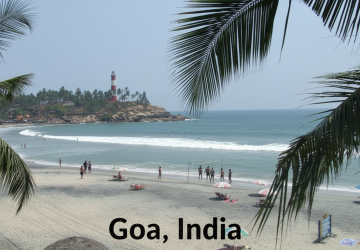
Experience Beach Life in Goa, India
Goa, the coastal haven of India, is associated with sunshine, beaches, and ocean. Whether you desire relaxation, excitement, or lively nightlife, the beaches of Goa provide something for everyone. Boasting a relaxed atmosphere and charm influenced by Portuguese culture, Goa beckons visitors to enjoy a taste of tropical paradise.
The northern beaches such as Baga, Calangute, and Anjuna are ideal for individuals who enjoy vibrant environments. Here, you will discover beach huts offering tasty seafood, refreshing beverages, and energetic music. Water sports lovers can engage in activities such as jet skiing, parasailing, and banana boat rides. As the sun goes down, these shores become lively party destinations, where DJs play tunes and party-goers dance beneath the stars.
For a calmer experience, visit the southern beaches like Palolem, Agonda, and Cola Beach. These tranquil shores are perfect for relaxing with a book, enjoying lengthy strolls by the coast, or merely immersing oneself in the calm atmosphere. Palolem Beach features a crescent-shaped bay that provides breath taking sunrise vistas and tranquil waters ideal for swimming. Agonda Beach is a paradise for yoga enthusiasts, featuring various retreats and meditation spots directly by the sea.
Accommodations by the beach vary from opulent resorts to snug beach huts, guaranteeing that every visitor discovers an ideal spot to reside. Food enthusiasts can savor Goa’s distinctive fusion of Indian and Portuguese tastes — sample the renowned Goan fish curry, zesty pork vindaloo, or a dish of freshly grilled seafood. Enjoy it alongside a chilled King’s beer or a revitalizing coconut water directly from the shell.
Whether you’re relaxing on the shore, surfing the waves, or partying all night long, Goa’s beaches guarantee lasting memories. Every beach boasts its unique character, encouraging you to explore the enchantment of Goa at your leisure. Allow the sound of the waves and the heat of the sun to soothe your worries.

Experience and Explore Varanasi, India
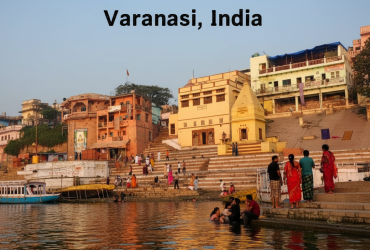
Varanasi, among the oldest cities in the world that has been continuously inhabited, is a captivating place that provides an immersive experience of India’s spiritual and cultural essence. Located beside the holy Ganges River, Varanasi is a location where age-old customs, lively ceremonies, and the flow of everyday existence come together in an eternal ballet.
Strolling along the famous ghats (steps by the river) is an ideal way to start your adventure. The Dashashwamedh Ghat is renowned for its Ganga Aarti, a stunning evening ceremony in which priests conduct synchronized prayers accompanied by burning lamps, chants, and music. Observing this ceremony beneath the night sky, with the river mirroring the dancing lights, is an enchanting experience.
To truly connect with Varanasi’s spiritual vibe, embark on a dawn boat trip on the Ganges. With the sunrise, you will witness residents conducting sacred ceremonies, pilgrims soaking in the sacred waters, and the city gradually coming to life. The view of historic temples along the riverbanks and smoke billowing from the Manikarnika Ghat, a sacred cremation location in India, provides a deep insight into the cycle of existence and mortality.
Beyond the river, the narrow, twisting streets of Varanasi offer an adventure of their own. Discover concealed temples, lively markets, and roadside vendors serving delicious local treats such as kachaudi sabzi, lassi, and the renowned Benarasi paan. Make sure to visit the Kashi Vishwanath Temple, devoted to Lord Shiva, which attracts worshippers from around the globe.
Varanasi is more than a location; it embodies an emotion — a city where moments appear to pause, where spirituality permeates every nook, and where life and death are both honored with deep respect. Whether you’re in search of enlightenment, cultural engagement, or a richer comprehension of India’s customs, Varanasi guarantees an unforgettable journey.
Experience the Beauty of Bharatpur Bird Sanctuary in India
Located in the center of Rajasthan, Bharatpur Bird Sanctuary — referred to as Keoladeo National Park — is a haven for nature enthusiasts and birdwatchers. This UNESCO World Heritage Site hosts more than 370 bird species and provides a peaceful retreat from the chaos of urban life.
The sanctuary covers approximately 29 square kilometers of varied terrains, including wetlands, woodlands, and grasslands. A striking aspect of it is its interconnected marshes and shallow lakes, which serve as an essential stopover for migratory birds worldwide. In the winter season, the park thrives as birds such as the Siberian crane, painted stork, and bar-headed goose gather here seeking milder temperatures.
Discovering the park is an adventure on its own. Visitors have the option to stroll along serene paths on foot, hire a bicycle, or take a cycle rickshaw ride, accompanied by informed locals who provide captivating information about the park’s ecosystem. To gain a different viewpoint, think about enjoying a boat trip along the waterways, where you can observe birds soaring elegantly above the water.
In addition to the bird marvels, Bharatpur houses various wildlife species, such as jackals, deer, and wild boars. The park’s green environment and tranquil ambiance create the perfect setting for photography and peaceful reflection. Early mornings and late evenings present the ideal moments to experience the park’s enchantment, as warm sunlight creates a gentle illumination across the scenery.
A trip to Bharatpur Bird Sanctuary offers more than mere birdwatching — it provides an opportunity to engage with nature and witness the fragile equilibrium of life in one of India’s most stunning natural parks. Whether you are an experienced birdwatcher or just looking for tranquility and beauty, Bharatpur will undoubtedly create a memorable experience.

Festivals in India
India, a land of diverse cultures, languages, and religions, is renowned for its vibrant festivals. Each celebration reflects the country’s rich heritage, uniting people in joy, devotion, and tradition. From grand religious ceremonies to colorful street parades, India’s festivals offer unforgettable experiences.
Diwali, the Festival of Lights, is perhaps the most widely celebrated. Homes are decorated with oil lamps and colorful rangoli patterns, while fireworks light up the night sky. People exchange sweets and gifts, marking the triumph of light over darkness. Similarly, Holi, the Festival of Colors, is a joyous occasion where people throw colored powders at each other, dance, and enjoy festive treats, celebrating love, forgiveness, and the arrival of spring.
For spiritual seekers, Kumbh Mela is a must-see. It is the largest religious gathering in the world, where millions of devotees take a holy dip in sacred rivers to cleanse their sins. Another iconic festival is Durga Puja in West Bengal, where beautifully crafted idols of the goddess Durga are worshiped before being immersed in rivers, accompanied by music and dancing.
In South India, Onam is a harvest festival celebrated with intricate flower carpets, traditional dances, and the famous snake boat races. Ganesh Chaturthi in Maharashtra honors Lord Ganesha with colorful processions and elaborate statues immersed in water at the festival’s end.
Every festival in India tells a unique story and offers a glimpse into the country’s rich traditions and communal spirit. Whether you’re watching dazzling parades or savoring festive foods, experiencing India’s festivals is a sensory delight that brings people from all walks of life together in celebration. Each event is a vibrant reminder of India’s unity in diversity.