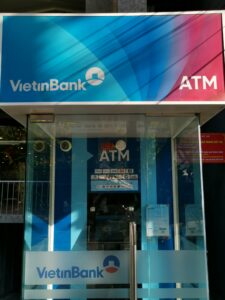




Finding the best ATM bank rates in Vietnam is a major worry for visitors, and wise money management is crucial while organizing a trip to Vietnam. Vietnam draws millions of tourists each year due to its dynamic cities, breath-taking scenery, and rich culture. Making the most of your cash withdrawals might help you stretch your vacation budget even farther. An essential first step in ensuring a seamless and economical travel is understanding ATM fees, conversion rates, and withdrawal limitations.
The Vietnamese Dong (VND) is the national currency of Vietnam. Although big cities accept credit cards, smaller towns, markets, and local transportation still rely heavily on cash. Although using an ATM to withdraw cash is handy, the costs might differ greatly based on your bank, the ATM operator, and the exchange rate. You may save more of your hard-earned money for adventures like touring the Mekong Delta, cruising Ha Long Bay, or trying out street food in Hanoi if you know how to reduce these expenses.
ATMs in major Vietnamese cities like Hanoi, Ho Chi Minh City, Da Nang, and Nha Trang accept the majority of foreign debit and credit cards. Local Vietnamese banks that collaborate with international networks like Visa, Mastercard, and UnionPay frequently offer the greatest ATM bank rates. It is advisable to inquire about foreign transaction fees, ATM withdrawal fees, and daily restrictions with your home bank prior to your trip. You should also take into account cards that give fee waivers for international withdrawals.
You can identify the most affordable ATMs, stay away from expensive fees, and maximize your travel budget by using this guide to the best ATM bank rates in Vietnam. Understanding how to maximize your ATM withdrawals is crucial for stress-free travel in Vietnam, whether you’re taking a luxury vacation or backpacking through Southeast Asia.
If you would like to see the withdrawal fees and limits please click here for the best of the Vietnamese banks with these details.
-
Withdrawing Money from an HSBC ATM in Vietnam: Rates, Fees, and Travel Tips
For tourists who need quick access to cash, withdrawing money from an HSBC ATM in Vietnam is a dependable and practical choice. Vietnamese Dong (VND) is still necessary for everyday expenses like street food, taxis, marketplaces, and local stores, even though credit payments are becoming more and more common in large cities. Transparency in currency rates and safe transactions are enhanced by using an HSBC ATM.
In Vietnam, HSBC ATMs frequently offer greater value than currency exchange booths and competitive exchange rates that are comparable to the interbank rate. Cash withdrawals are changed straight into VND, and HSBC’s rate is usually more advantageous than that of third-party conversion services. Depending on your home account, international ATM or foreign transaction fees may still apply, so it’s important to check your HSBC card terms before traveling.
Compared to some local bank ATMs, HSBC ATMs in Vietnam often have withdrawal limitations of between 3,000,000 and 10,000,000 VND each transaction, making it simpler to access greater amounts. This can minimize extra costs and lower the quantity of withdrawals. Major cities including Hanoi, Ho Chi Minh City, Da Nang, and Ho Chi Minh City frequently have HSBC ATMs, which are frequently situated close to HSBC branches, commercial districts, and retail centres.
If prompted, always choose to be charged in Vietnamese Dong when using an HSBC ATM. Avoid Dynamic Currency Conversion (DCC), which may offer to process the withdrawal in your home currency at a less favorable rate. Selecting VND guarantees that HSBC manages the currency at a more favorable rate.
All things considered, taking out cash from an HSBC ATM in Vietnam is economical, safe, and effective. HSBC ATMs are a great option for tourists seeking hassle-free access to cash during their trip to Vietnam because of their broad availability, larger withdrawal limits, and dependable exchange rates.
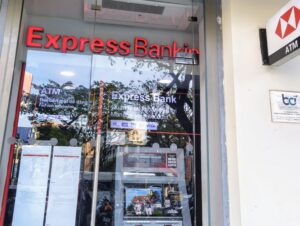

2. Withdrawing Money from a Citi Bank ATM in Vietnam: Rates, Fees, and Travel Advice
For tourists with Citi debit cards who wish to have safe access to cash overseas, taking out cash from a Citi Bank ATM in Vietnam is a sensible choice. Cash is still necessary for daily transactions including street food, taxis, local markets, and small eateries, even though digital payments are becoming more popular in Vietnam. Reliability and clear exchange processing are enhanced while using a Citi Bank ATM.
For tourists with Citi debit cards who wish to have safe access to cash overseas, taking out cash from a Citi Bank ATM in Vietnam is a sensible choice. Cash is still necessary for daily transactions including street food, taxis, local markets, and small eateries, even though digital payments are becoming more popular in Vietnam. Reliability and clear exchange processing are enhanced while using a Citi Bank ATM.
Major Vietnamese banks such as Vietcombank, BIDV, Techcombank, VPBank, and Sacombank accept Citi debit cards. Although this varies by bank and ATM network, typical withdrawal restrictions are between 2,000,000 and 5,000,000 VND each transaction. It is often advised to withdraw the maximum amount permitted per transaction in order to lower overall fees.
When using ATMs in Vietnam, travellers may encounter Dynamic Currency Conversion (DCC), which offers to process the withdrawal in your home currency. It is always best to decline this choice. Citi can manage the conversion at a more advantageous rate by using Vietnamese Dong (VND).
All things considered, using a Citi Bank card to make a withdrawal in Vietnam is quick and safe. Travelers can confidently manage their finances while visiting Vietnam by being aware of withdrawal restrictions, avoiding pointless fees, and selecting the appropriate currency option.

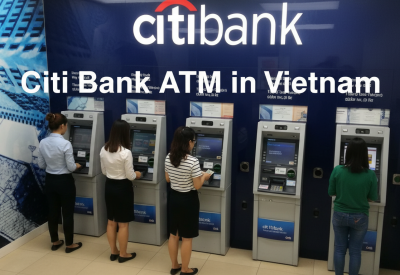
3. Withdrawing Money from a VPBank ATM in Vietnam: Rates, Fees, and Helpful Tips
For both visitors and locals, taking out cash from a VPBank ATM in Vietnam is a practical and popular choice. Vietnamese Dong (VND) is still necessary for everyday transactions including street food, local transportation, marketplaces, and small businesses, even though electronic payments are growing increasingly popular in cities. One of the biggest banks in Vietnam is VPBank, which has a robust ATM network throughout the nation.
Foreign visitors can use VPBank ATMs because they accept the majority of international debit and credit cards, such as Visa and Mastercard. Your home bank, not VPBank, sets the exchange rates used for withdrawals. Additionally, VPBank may impose a local ATM usage fee, which is usually shown on the screen prior to transaction confirmation. Because of this transparency, users can choose whether or not to continue.
Depending on the machine and card type, withdrawal limits at VPBank ATMs typically vary from 2,000,000 to 5,000,000 VND each transaction. It is advised to withdraw the maximum amount permitted in a single transaction rather than making several smaller withdrawals in order to reduce fees.
Travelers may be able to use Dynamic Currency Conversion (DCC) at a VPBank ATM, which enables the withdrawal to be charged in their home currency. It is always best to decline this choice. By choosing VND, you may be guaranteed that your home bank will use the exchange rate, which is typically better than DCC rates.
Major towns like Hanoi, Ho Chi Minh City, Da Nang, and Nha Trang, as well as well-known tourist destinations, have easy access to VPBank ATMs. Utilizing a VPBank ATM in Vietnam can be a secure, practical, and economical way to obtain cash while traveling if you are aware of the withdrawal restrictions, fees, and available currencies.

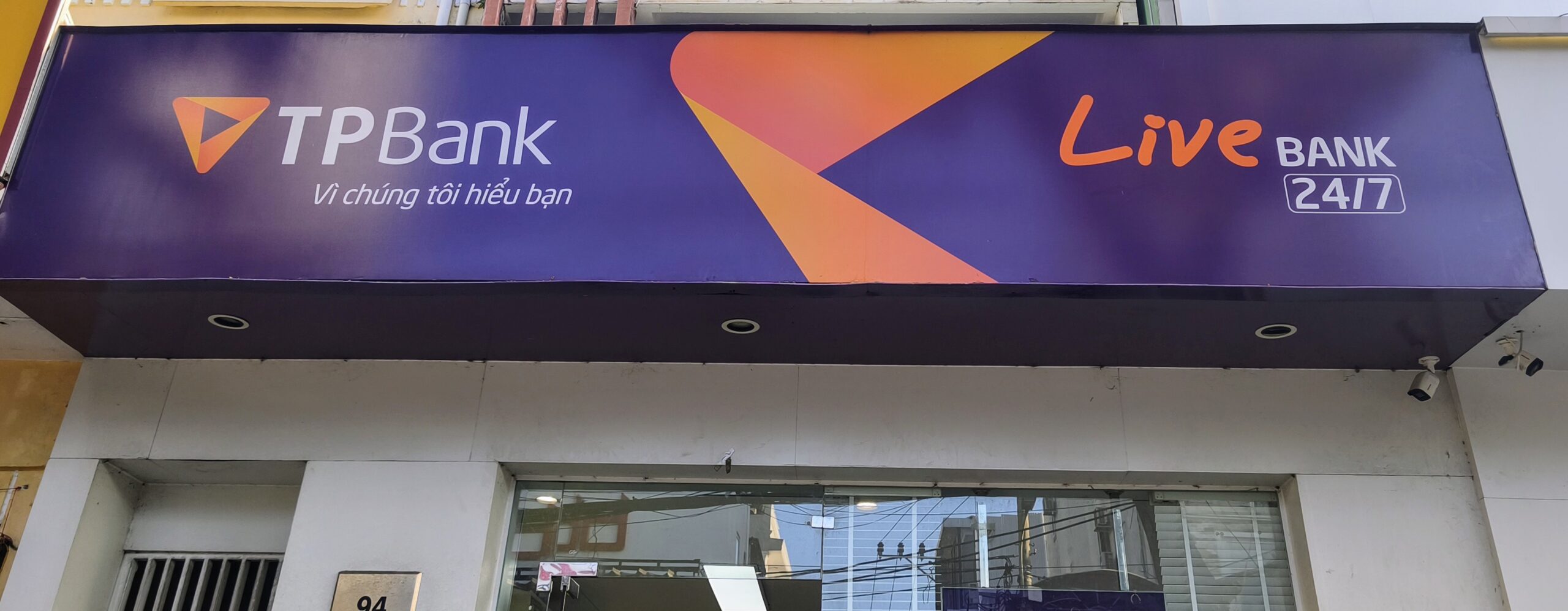
4. Withdrawing Money from a TPBank ATM in Vietnam: Fees, Limits, and Travel Tips
Travelers and foreigners who require access to Vietnamese Dong (VND) can conveniently withdraw cash from a TPBank ATM in Vietnam. Cash is still necessary for street food, taxis, marketplaces, and small local businesses, even if mobile payments and cards are becoming more widely accepted in urban areas. TPBank is well-known throughout Vietnam for its wide range of ATMs and cutting-edge banking services.
Visitors from other countries can use TPBank ATMs because they accept the majority of international debit cards, such as Visa and Mastercard. Your home bank determines the currency rate used during withdrawals, although TPBank may impose a local ATM fee, which is prominently shown on the screen prior to the transaction being finalized. This enables consumers to examine expenses prior to moving forward.
Depending on the ATM and card network, typical withdrawal limitations at TPBank ATMs vary from 2,000,000 to 5,000,000 VND per transaction. It is best to withdraw the maximum amount allowed rather than making several withdrawals in order to lower total fees. With English-language options, TPBank ATMs are renowned for being easy to operate.
When utilizing TPBank ATMs, travellers should exercise caution when it comes to Dynamic Currency Conversion (DCC). Always refuse to withdraw money in your own currency and opt to be charged in Vietnamese Dong. Allowing your home bank to manage the conversion usually offers greater value than DCC, which frequently has negative exchange rates.
Major towns like Hanoi, Ho Chi Minh City, Da Nang, and Hai Phong, as well as well-known tourist destinations, have a large number of TPBank ATMs. Withdrawing cash from a TPBank ATM in Vietnam can be a safe, effective, and economical way to manage cash while traveling if you are aware of the fees, restrictions, and available currencies.

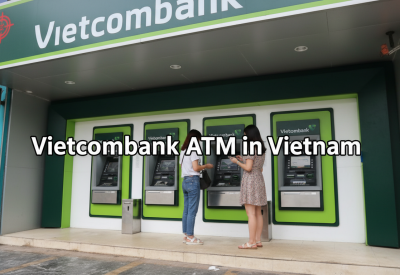
5. Withdrawing Money from a Vietcombank ATM in Vietnam: Rates, Fees, and Practical Tips
Since Vietcombank is the biggest and most popular bank in Vietnam, taking out cash from an ATM is one of the most dependable choices for tourists. Vietnamese Dong (VND) is still necessary for daily expenses like street food, taxis, marketplaces, and local stores, even if credit payments are prevalent in large cities.
Vietcombank ATMs accept most international debit cards, including Visa and Mastercard, making them convenient for foreign visitors. Your home bank sets the exchange rate for your withdrawal; however, Vietcombank may impose a local ATM usage fee, which is prominently shown on the screen prior to transaction confirmation. Travelers can avoid unforeseen fees thanks to this transparency.
Although some machines may permit larger sums, withdrawal restrictions at Vietcombank ATMs normally fall between 2,000,000 and 5,000,000 VND each transaction. It is preferable to withdraw the maximum amount permitted per transaction rather than making several withdrawals in order to save fees. Additionally, Vietcombank ATMs are renowned for their extensive availability and high dependability.
When asked, travelers should always refuse Dynamic Currency Conversion (DCC). A bad conversion rate frequently occurs when you decide to withdraw in your own currency. Choosing VND enables the conversion to be handled by your home bank, which is typically more advantageous.
Hanoi, Ho Chi Minh City, Da Nang, Hoi An, and Nha Trang are just a few of the places in Vietnam where Vietcombank ATMs are readily available. Utilizing a Vietcombank ATM in Vietnam can be a secure, practical, and economical way to obtain cash during your vacation if you are aware of the withdrawal restrictions, fees, and available currencies.

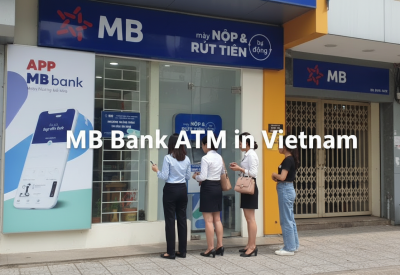
6. Withdrawing Money from an MB Bank ATM in Vietnam: Fees, Limits, and Smart Tips
For travelers who require rapid access to Vietnamese Dong (VND), withdrawing cash from an MB Bank ATM in Vietnam is a reliable choice. Cash is still necessary for everyday expenses like street food, taxis, local markets, and small enterprises, even though digital payments are becoming more and more common in large cities. One of the biggest banks in Vietnam, MB Bank (Military Bank) has a robust and extensive ATM network across the country.
For the convenience of overseas tourists, MB Bank ATMs accept the majority of international debit cards, including Visa and Mastercard. Your home bank sets the currency rate used for withdrawals; however, MB Bank may impose a local ATM usage fee, which is prominently stated on the screen prior to transaction confirmation. Travelers can make better selections because to this transparency.
Depending on the ATM and card type, typical withdrawal limitations at MB Bank ATMs range from 2,000,000 to 5,000,000 VND per transaction. It is advised to withdraw the maximum amount permitted in a single transaction rather than making several withdrawals in order to lower total fees. The majority of MB Bank ATMs have English-language menus, making them easier for foreign visitors to use.
Travelers may be able to use Dynamic Currency Conversion (DCC) to conduct withdrawals in their local currency. Since it frequently leads to poor exchange rates, this option should always be denied. Choosing VND guarantees that the conversion will be handled at a better rate by your home bank.
Numerous tourist destinations and major cities like Hanoi, Ho Chi Minh City, Da Nang, and Hai Phong have MB Bank ATMs. It is safe, practical, and economical to take out cash from an MB Bank ATM in Vietnam if you prepare ahead and are aware of the fees.

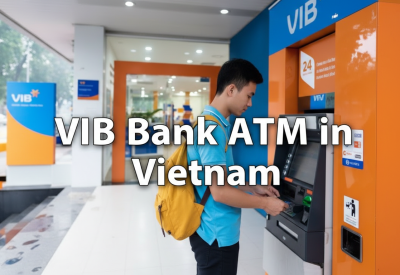
7. Withdrawing Money from a VIB Bank ATM in Vietnam: Rates, Fees, and Useful Tips
Travelers who require access to Vietnamese Dong (VND) can conveniently withdraw cash from a VIB Bank ATM in Vietnam. Cash is still frequently used for daily expenses like street food, taxis, local markets, and small shops, even if card and mobile payments are growing increasingly popular in big cities. The network of ATMs operated by VIB (Vietnam International Bank) is expanding throughout Vietnam, particularly in metropolitan and tourist locations.
Foreign travelers can access VIB Bank ATMs because they accept the majority of international debit cards, including Visa and Mastercard. Your home bank determines the currency rate used for withdrawals, and VIB may impose a local ATM usage fee that is prominently stated on the ATM screen prior to the transaction being finalized. This enables tourists to check costs ahead of time and steer clear of unpleasant surprises.
Depending on the machine and card network, withdrawal limits at VIB Bank ATMs normally vary from 2,000,000 to 5,000,000 VND each transaction. It is preferable to withdraw the maximum amount permitted in a single transaction rather than making multiple smaller withdrawals in order to save fees. Because the majority of VIB ATMs have English-language options, consumers from other countries may easily navigate the process.
When asked, travelers should always refuse Dynamic Currency Conversion (DCC). Poor exchange rates are sometimes the outcome of choosing to withdraw in your own currency. Choosing VND guarantees that the conversion is handled by your home bank, typically at a more advantageous rate.
Cities like Ho Chi Minh City, Hanoi, Da Nang, and Nha Trang have a large number of VIB Bank ATMs. Withdrawing money from a VIB Bank ATM in Vietnam is a safe, effective, and economical way to handle cash while traveling if you are aware of the costs and limits.

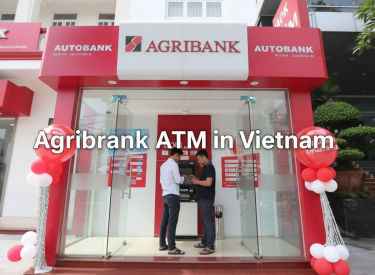
8. Withdrawing Money from an Agribank ATM in Vietnam: Fees, Limits, and Travel Tips
When visiting smaller cities and rural locations in Vietnam, withdrawing cash from an Agribank ATM is a sensible option. One of the biggest banks in Vietnam, Agribank has the largest ATM network in the country, making it very easy to obtain Vietnamese Dong (VND). Cash is still necessary for everyday purchases, transportation, and local markets even if card payments are becoming more and more accepted.
The majority of foreign debit cards, including Visa and Mastercard, are accepted at Agribank ATMs. While Agribank may impose a local ATM usage fee, which is usually shown on the ATM screen prior to transaction confirmation, your home bank sets the currency rate used for withdrawals. Travelers are better able to comprehend charges up front thanks to this transparency.
Agribank ATM withdrawal restrictions are typically between 2,000,000 and 3,000,000 VND each transaction, which is marginally less than those of several other banks. It is advised to withdraw the maximum amount permitted per transaction rather than making several withdrawals in order to reduce fees. Users should act cautiously and adhere to on-screen instructions as certain Agribank ATMs may have few English-language alternatives.
Travelers may be offered Dynamic Currency Conversion (DCC) when utilizing an Agribank ATM. Since DCC frequently uses unfavourable currency rates, always reject this option and opt to be charged in VND. Better value is usually obtained by letting your home bank handle the conversion.
There are many Agribank ATMs in Vietnam, including in the rural regions, Da Nang, Hue, Ho Chi Minh City, and Hanoi. Making cash withdrawals from an Agribank ATM is a practical and affordable way to obtain cash when traveling throughout Vietnam because of its wide coverage and dependable service.

9. Withdrawing Money from a BIDV ATM in Vietnam: Fees, Limits, and Practical Tips
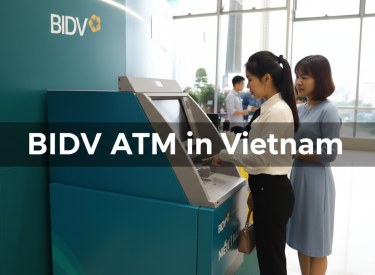
For tourists who require access to Vietnamese Dong (VND), withdrawing cash from a BIDV ATM in Vietnam is a dependable and practical choice. BIDV, one of the biggest state-owned banks in Vietnam, operates a vast network of automated teller machines in both major cities and popular tourist locations. Cash is still necessary for daily expenses like cabs, street food, marketplaces, and small stores, even if card payments are becoming more widely accepted.
Visitors from other countries can use BIDV ATMs because they accept the majority of international debit cards, such as Visa and Mastercard. While BIDV may impose a local ATM usage fee, which is prominently stated on the ATM screen prior to the transaction being validated, your home bank sets the currency rate used for withdrawals. This enables tourists to check prices before moving further.
Depending on the ATM and card network, typical withdrawal limitations at BIDV ATMs vary from 2,000,000 to 5,000,000 VND each transaction. It is preferable to withdraw the maximum amount permitted in a single transaction rather than making several withdrawals in order to minimize fees. English-language menus are available at many BIDV ATMs, making them easier to use for users from other countries.
When utilizing BIDV ATMs, travellers should be wary of Dynamic Currency Conversion (DCC). Always choose VND and decline if you are asked to withdraw in your own currency. DCC typically uses unfavourable exchange rates; it is more cost-effective to let your home bank handle the conversion.
Cities like Hanoi, Ho Chi Minh City, Da Nang, Hoi An, and Nha Trang have a large number of BIDV ATMs. With transparent costs, dependable service, and widespread accessibility, taking money out of a BIDV ATM in Vietnam is a secure and economical method to handle cash while traveling.

10. Withdrawing Money from a VietinBank ATM in Vietnam: Rates, Fees, and Travel Tips
For tourists who require quick access to Vietnamese Dong (VND), withdrawing cash from a VietinBank ATM in Vietnam is a dependable choice. VietinBank, one of the main state-owned banks in Vietnam, runs a vast network of automated teller machines in villages, cities, and popular tourist destinations. While contactless and card payments are expanding, cash remains essential for daily expenses such as street food, taxis, markets, and local services.
Visitors from other countries will find VietinBank ATMs convenient as they accept the majority of international debit cards, such as Visa and Mastercard. Your home bank sets the conversion rate for ATM withdrawals, but VietinBank may impose a local ATM usage fee, which is displayed prominently on the screen prior to transaction confirmation. Travelers can avoid unforeseen expenses thanks to this transparency.
Depending on the ATM and card network, withdrawal limits at VietinBank ATMs normally vary from 2,000,000 to 5,000,000 VND each transaction. Instead of making several withdrawals, it is best to withdraw the maximum amount permitted per transaction in order to reduce fees. English-language options are available at many VietinBank ATMs, making them easier for foreign visitors to use.
Travelers may experience Dynamic Currency Conversion (DCC) when utilizing a VietinBank ATM. Always choose VND and reject this option. While letting your home bank handle the conversion typically yields greater value, DCC frequently uses subpar exchange rates.
Hanoi, Ho Chi Minh City, Da Nang, Hue, and Nha Trang all have a large number of VietinBank ATMs. When you are aware of the fees, currency options, and withdrawal limitations, utilizing a VietinBank ATM in Vietnam is a safe, practical, and economical method to handle cash while traveling.