


One of the most intriguing tourist locations in China is the energetic city of Chengdu, which is situated in southwest China. Chengdu, which is well-known for its laid-back way of life, rich cultural legacy, and amazing culinary scene, provides tourists with a singular fusion of traditional customs and contemporary city life. As the provincial capital of Sichuan, the city has been a significant cultural and economic hub for over 2,000 years, making it a must-see location for tourists visiting China.
Perhaps the most well-known thing about Chengdu worldwide is that it is home to the adored giant panda. One of the most well-liked tourist destinations in the city is the renowned Chengdu Research Base of Giant Panda Breeding, where guests can view these cute creatures in a tightly guarded setting. For visitors of all ages, seeing pandas play, climb bamboo trees, and unwind in their natural habitat is an amazing experience.
Chengdu is well known for its amazing food in addition to its well-known pandas. The city is the center of Sichuan cuisine, which is renowned for its robust flavors, hot dishes, and the unique numbing effect that Sichuan peppercorns produce. Foodies travel to Chengdu to sample famous foods like hot pot, mapo tofu, and a range of delectable street cuisine that can be found in the city’s busy marketplaces and night-time streets.
Chengdu is home to stunning parks, ancient temples, energetic tea houses, and busy cultural districts in addition to its cuisine and fauna. The city provides tourists with a plethora of experiences, ranging from historic sites to contemporary attractions. We’ll go over the top activities in Chengdu, China, in this guide to show you why this quaint city is among Asia’s most fulfilling travel destinations.
-
Visit the Chengdu Research Base of Giant Panda Breeding
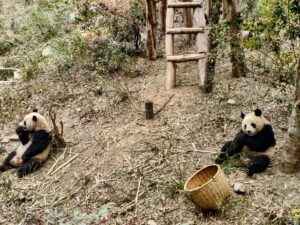
Seeing the renowned giant pandas at the Chengdu Research Base of Giant Panda Breeding is one of the most memorable parts of traveling to Chengdu, China. One of the main draws for tourists visiting Chengdu is this world renowned conservation center, which is committed to preserving and reproducing one of the most cherished animals on the planet.
The research base, which is situated just outside the city center, was created to support giant panda population growth and protect their natural habitat. Today, the center is home to numerous cute red pandas and dozens of gigantic pandas. With its thick bamboo forests, wide green areas, and serene strolling routes, the facility is designed to mimic the pandas’ natural habitat and provide visitors with a comfortable and natural location in which to see the creatures.
It is very endearing to watch the pandas as they play together, climb trees, and eat bamboo. The pandas are most energetic and active in the early morning, making it the ideal time to visit. They frequently snooze or rest later throughout the day, which can still be cute but less energetic.
The research facility offers educational exhibits that describe panda conservation initiatives, breeding programs, and the difficulties these endangered creatures experience in the wild, in addition to the opportunity to watch the animals. The vital job that scientists are doing to save panda populations for future generations can be explained to visitors.
In addition to being an enjoyable and unforgettable experience, visiting the Chengdu Research Base of Giant Panda Breeding offers a motivating chance to witness conservation efforts in action. The best part of visiting Chengdu for many tourists is getting up close and personal with these kind creatures.

2. Explore Jinli Ancient Street in Chengdu
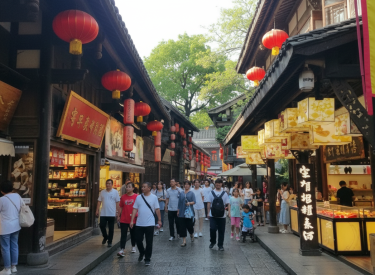
The vibrant and ancient Jinli Ancient Street in Chengdu, China, is one of the most delightful locations to explore traditional culture. This exquisitely rebuilt pedestrian street, which is close to the well-known Wuhou Shrine, gives tourists an insight into the ambiance of ancient Sichuan during the Three Kingdoms era.
Jinli Ancient Street is renowned for its ancient architecture, which includes wooden structures with curving roofs and vibrant red lanterns hanging down the winding walkways. You’ll discover a fascinating mix of tea houses, artisan booths, souvenir shops, and food sellers offering a range of regional specialties and snacks as you stroll along the busy street.
Jinli is one of the best spots in Chengdu to sample real Sichuan food, so foodies will particularly adore visiting. Popular street dishes like hot skewers, dumplings, sweet rice cakes, and homemade noodles are available for visitors to try. For those interested in Chengdu’s renowned culinary culture, the street is a wonderland due to its rich flavors and fragrances.
Jinli frequently hosts traditional cultural events, like as folk music, puppet shows, and Sichuan opera displays, in addition to dining and shopping. These performances give guests an enjoyable approach to learn about regional customs while also enhancing the vibrant environment.
Jinli Ancient Street is particularly lovely at night, when lanterns cast a cozy, enchanted glow over the buildings. Jinli Ancient Street is a must-see location in Chengdu, whether you’re shopping for souvenirs, enjoying delectable street food, or just taking in the historic ambience.

3. Visit the Wuhou Shrine in Chengdu
The well-known Wuhou Shrine is one of Chengdu, China’s most important historical sites. This magnificent temple complex honors several important individuals from the well-known Three Kingdoms era of Chinese history and is devoted to the renowned military strategist Zhuge Liang. Wuhou Shrine is one of the most intriguing locations in Chengdu for tourists interested in history, culture, and traditional Chinese architecture.
The shrine, which was first constructed during the Jin Dynasty and later enlarged throughout the Ming and Qing dynasties, honors Zhuge Liang’s loyalty, wisdom, and leadership. The property is surrounded by serene gardens with old cypress trees, which create a serene and contemplative ambiance that stands in stark contrast to Chengdu’s bustling streets.
A number of exquisite halls, courtyards, and monuments honoring historical figures from the Kingdom of Shu may be seen as visitors move through the shrine. The cultural legacy of this significant period in Chinese history is revealed by intricate carvings, calligraphy, and traditional building elements.
Visitors can discover the tales and tactics that elevated Zhuge Liang to the status of one of China’s most revered leaders within the temple. His role as a skilled strategist, scholar, and politician is highlighted in many of the exhibitions and displays.
Wuhou Shrine’s proximity to the bustling Jinli Ancient Street makes it simple to combine it with other well-known local sites. Exploring Chengdu’s rich past while taking in one of the city’s most stunning cultural attractions is made possible by visiting this historic site.

4. Relax in People’s Park in Chengdu
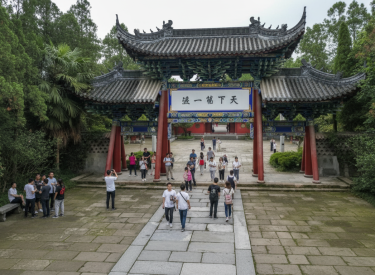
Spending time at People’s Park is essential for visitors wishing to experience the laid-back lifestyle that Chengdu is known for. This historic park, which is situated in the center of the Chinese metropolis, offers a tranquil haven from the bustling streets as well as an intriguing look into daily life.
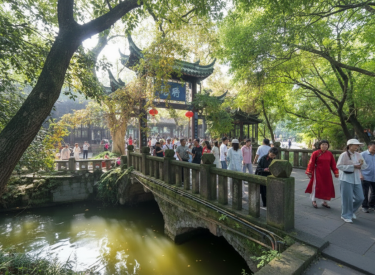
People’s Park was first created in 1911 and has long been a well-liked meeting spot for Chengdu locals. The park’s lovely gardens, shaded walkways, picturesque lakes, and classic pavilions all contribute to its serene atmosphere. Visitors can take a leisurely walk, observe people doing tai chi, or just relax and take in the peaceful surroundings.
Visiting one of People’s Park’s traditional tea houses is one of its most well-known experiences. The park’s tea houses offer the ideal spot to unwind with a cup of green tea while taking in the vibrant surroundings. Chengdu is renowned for its tea culture. Locals frequently congregate here to play classic games like mahjong, read newspapers, or converse with friends.
The popular “matchmaking corner” is another distinctive aspect of People’s Park. In an effort to identify compatible spouses, parents place ads in this area with details about their kids. It’s an intriguing custom that offers tourists a distinctive perspective on the native way of life.
People’s Park is a great place to unwind and take in Chengdu’s true beauty, whether you’re sipping tea, observing local events, or just lounging by the lake.

5. Discover the Leshan Giant Buddha in Chengdu
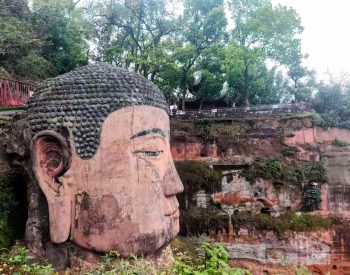
The magnificent Leshan Giant Buddha is one of the most breath-taking sites in the vicinity of Chengdu, China. One of China’s most remarkable cultural relics, this enormous monument is the largest stone Buddha in the world, carved directly into a towering red sandstone rock. It is a well-liked day trip destination for tourists visiting the Sichuan province and is roughly two hours away from Chengdu.
Standing at a height of around 71 meters (233 feet), the Leshan Giant Buddha stares out over the confluence of the Min, Dadu, and Qingyi rivers. It took about 90 years to finish the statue’s construction, which started in 713 during the Tang Dynasty. Legend has it that a Buddhist monk started the project with the idea that the enormous monument would protect passing boats and calm the hazardous river currents.
The Leshan Giant Buddha now draws tourists from all over the world and is included as a UNESCO World Heritage Site. One can get a strong feeling of the monument’s amazing size by standing next to its massive feet or ascending the slender stairs along the cliff.
Taking a boat trip down the river, which offers a broad view of the complete statue carved into the mountainside, is another well-liked method of seeing the Buddha. Visitors may properly appreciate the antique sculpture’s artistry and size from this vantage point.
The Leshan Giant Buddha is a cultural and spiritual icon surrounded by beautiful scenery and lush vegetation. Travelers can gain a greater understanding of China’s history, architecture, and religious customs by visiting this remarkable location.
6. Taste Authentic Sichuan Cuisine in Chengdu
Experiencing the vibrant and tasty world of Sichuan cuisine is one of the best parts of traveling to Chengdu, China. Sichuan cuisine is regarded as one of China’s most interesting culinary traditions because of its rich spices, aromatic ingredients, and the well-known “mala” flavor combination of numbing and hot sensations. Chengdu is a food lover’s paradise since it is acknowledged as the center of this fabled culinary tradition.
Sichuan peppercorn is a crucial component that contributes to the distinctive character of Sichuan cuisine. This unique spice, in contrast to regular chili peppers, produces a tingling and numbing effect on the tongue that properly balances the heat of chili oil. The well-known “mala” flavor that characterizes many Sichuan foods is created by the blending of flavors.
There are numerous chances for visitors to Chengdu to try real regional specialties. Mapo tofu, a tasty meal prepared with soft tofu, minced pork, chili bean paste, and Sichuan peppercorns, is among the most well-known. Kung Pao chicken, a flavorful stir-fry with peanuts, veggies, and a hot sauce, is another well-liked dish.
Another significant aspect of Chengdu’s culinary scene is street food. Visitors can savor delectable delicacies like hot noodles, dumplings, grilled skewers, and sweet rice cakes while strolling around the city’s markets and culinary streets. The vibrancy and richness of the city’s culinary traditions are captured in these lively food markets.
In fact, UNESCO designated Chengdu as a “City of Gastronomy” due to the city’s rich culinary legacy. Tasting real Sichuan food is an unforgettable cultural experience for tourists, not just a meal.

7. Visit the Chengdu Museum
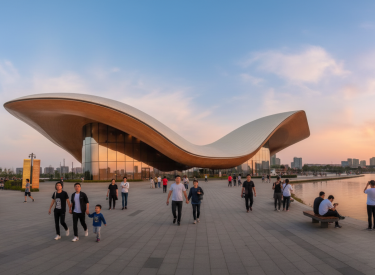
One of the top things to do in Chengdu, China, for visitors interested in history and culture is to visit the magnificent Chengdu Museum. The museum provides an intriguing trip through the lengthy and rich history of the area and is situated in the center of the city close to the bustling Tianfu Square. The Chengdu Museum gives tourists a better understanding of Sichuan Province’s cultural legacy with its cutting-edge architecture and captivating exhibitions.
The museum has exhibitions on multiple floors that feature relics from thousands of years ago. Explore exhibits of calligraphy, paintings, traditional attire, ancient ceramics, and archaeological finds that show the evolution of civilization in the Chengdu area. Numerous artefacts from ancient dynasties offer important insights into the customs, way of life, and artistic accomplishments of earlier generations.
The museum’s collection of historical artefacts from the well-known Three Kingdoms period—a significant period in Chinese history that had a significant impact on local mythology and culture—is one of its centerpieces. Visitors can learn about important historical individuals and events related to this intriguing era through interactive exhibits and detailed presentations.
The museum holds educational activities and temporary cultural exhibits all year long in addition to its permanent exhibitions. These shows frequently showcase contemporary cultural advancements, regional heritage, and traditional Chinese art.
The Chengdu Museum is an accessible and educational attraction for people of all ages since, best of all, entry is free. A meaningful approach to engage with the history, customs, and culture that have molded Chengdu into the dynamic metropolis it is today is to visit this museum.

8. Walk Through Kuanzhai Alley in Chengdu
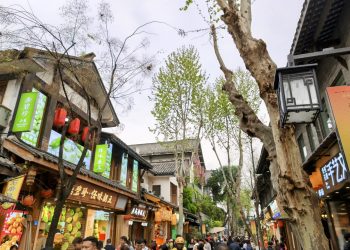
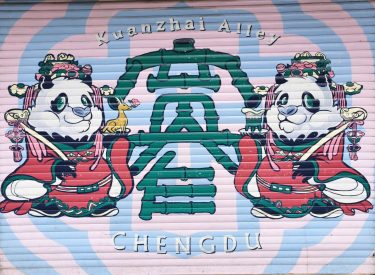
Kuanzhai Alley, a historic district in Chengdu, China, is one of the most picturesque and culturally rich places to visit. Visitors get a rare chance to see traditional Sichuan architecture while taking in the vibrant ambiance of contemporary Chengdu in this exquisitely maintained area. Each of the three parallel lanes in the area—Kuan Alley, Zhai Alley, and Jing Alley—offers a unique fusion of entertainment, cuisine, and culture.
Kuanzhai Alley, which was first constructed during the Qing Dynasty, was formerly inhabited by government and military personnel. A thriving cultural neighborhood that combines old-world elegance with modern living has been created by the meticulous restoration of the traditional structures and medieval courtyard dwellings.
Numerous stores, tea houses, cafes, and eateries may be found nestled inside the ancient courtyards as you meander along the winding alleys. Many of these establishments display regional artwork, handcrafted mementos, and crafts that are representative of the Sichuan region’s cultural legacy.
Kuanzhai Alley is one of the best locations in Chengdu to try real Sichuan food, so foodies will particularly enjoy exploring it. While taking in the vibrant street ambiance, tourists can sample regional specialties including fiery noodles, dumplings, sweet treats, and traditional tea.
The lively spirit of the neighborhood is enhanced by the frequent street performances and cultural exhibitions that take place throughout the alleys. Visitors might even come across artists performing folk music or traditional opera.
Kuanzhai Alley is a must-visit location for tourists since it provides an unforgettable window into Chengdu’s history and present, whether you’re dining, shopping, or just strolling through the historic alleyways.
9. Visit Mount Qingcheng in Chengdu
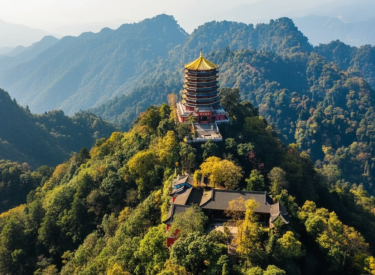
A trip to the serene Mount Qingcheng is a once-in-a-lifetime experience for tourists looking for spiritual history and scenic beauty close to Chengdu, China. This verdant mountain, which is roughly an hour’s drive from the city, is well-known for its serene surroundings, historic temples, and close ties to Taoism’s beginnings. Mount Qingcheng, which is surrounded by thick forests and foggy summits, provides a welcome respite from Chengdu’s bustling city.
One of China’s most significant spiritual locations is Mount Qingcheng. Taoism, a philosophical and religious tradition that emphasizes harmony with nature and the balance of life, is thought to have originated there. Numerous ancient Taoist temples, many of which are hundreds of years old, may be found on the mountain. Nestled among the forested slopes are serene courtyards, stone walkways, and exquisitely restored halls.
Hiking around Mount Qingcheng’s picturesque trails is one of the most fulfilling aspects of the trip. The meandering routes give sporadic views of the surrounding mountains as they weave past bamboo forests, serene streams, and lush vegetation. The trip is both motivating and soothing due to the serene surroundings and clean mountain air.
Together with the neighboring Dujiangyan Irrigation System, Mount Qingcheng is acknowledged as a UNESCO World Heritage Site. For almost 2,000 years, the region’s agricultural has benefited from this historic irrigation operation.
Visiting Mount Qingcheng provides a singular chance to discover one of the most stunning and historically significant landscapes close to Chengdu, regardless of your interests in nature, culture, or spirituality.

10. Nightlife in Chengdu
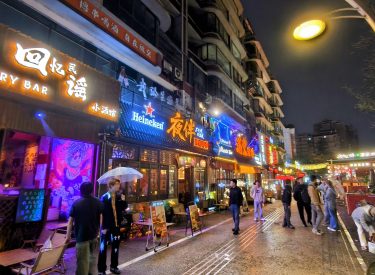
Chengdu’s nightlife is as busy and varied as the city itself, with everything from traditional tea houses and late-night street cuisine to bustling pubs and subterranean clubs. Chengdu, the capital of Sichuan, offers a night-time environment that appeals to both residents and visitors by fusing contemporary vitality with relaxed charm.
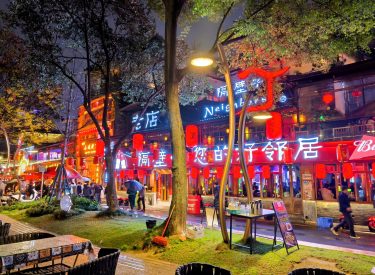
The riverfront neighbourhoods of Lan Kwai Fong Chengdu, where neon lights bounce off the water and music permeates the air, are among the most well-liked places to explore Chengdu after dark. Stylish rooftop bars, cocktail lounges, and vibrant nightclubs with international DJs can all be found here. There is something for every mood, whether you want to enjoy a leisurely drink while taking in the scenery or dance till dawn.
Chengdu’s traditional tea houses, which are open late and provide a tranquil alternative to the bustling nightlife scene, provide a more cultural experience. A unique approach to take in the slower pace of the city is to sit with a cup of jasmine tea and watch residents play mahjong. In the meanwhile, foodies can experience Chengdu’s well-known late-night dining scene, where several street vendors serve hot pot and spicy Sichuan appetizers until the wee hours of the morning.
Small independent clubs and live music venues are also well-liked, contributing to the city’s innovative and youthful atmosphere. These small venues present a different aspect of Chengdu’s nightlife, from acoustic settings to jazz performances.
In one of China’s most vibrant towns, Chengdu offers an extraordinary evening that strikes the ideal balance between excitement and relaxation, whether you’re pursuing music, cuisine, or culture.
11. Best Festivals in Chengdu, China
One of the most fascinating methods to learn about the customs and culture of Chengdu, China, is to participate in local festivals. The city holds a number of colorful festivals all year long that showcase its robust culinary culture, rich history, and strong sense of community. Visitors can take advantage of traditional performances, delectable food, and distinctive cultural experiences at these festivals.
The widely observed Chinese New Year, or Spring Festival, is one of Chengdu’s most significant festivities. The city comes to life with lantern displays, fireworks, temple fairs, and traditional entertainment on this significant holiday. Red lanterns and festive symbols that stand for prosperity and good fortune are used to decorate homes and streets. Throughout the city, visitors may also take in traditional cuisine and cultural performances.
The Chengdu International Panda Lantern Festival is another thrilling occasion. Massive lit lantern displays in the shapes of pandas, animals, and traditional Chinese symbols are part of this amazing celebration. It is one of Chengdu’s most visually spectacular festivals, drawing thousands of people each year with its enchanted ambiance created by the shimmering lanterns.
The well-known Chengdu International Food Festival, which honors the city’s renowned Sichuan cuisine, will also appeal to foodies. Chefs and merchants present a variety of spicy meals, street food, and regional delicacies at this event. While learning about the culinary customs that have made Chengdu famous, visitors may taste real delicacies.
Chengdu’s festivals provide visitors a vibrant and unforgettable chance to experience the city’s culture, customs, and hospitable atmosphere, from vibrant lantern festivals to delectable culinary feasts.


12. Explore the Anshun Bridge in Chengdu
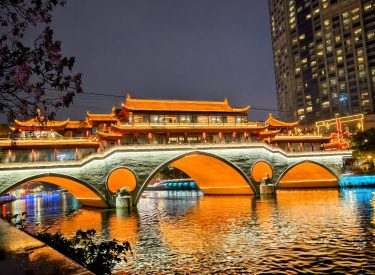
One of Chengdu’s most famous sites, Anshun Bridge gracefully crosses the Jin River and offers the ideal fusion of architecture, history, and contemporary city life. The bridge, which was first constructed during the Yuan Dynasty, has undergone numerous reconstructions throughout the years, and its current structure features sophisticated traditional Chinese design mixed with modern elements.
Anshun Bridge’s breath-taking night-time appearance is what sets it apart. The bridge glows in beautiful golden tones as the sun sets, reflecting off the serene river below. This produces an amazing scene that has grown to be one of Chengdu’s most photographed locations. It is a must-visit location for both tourists and locals because of the surrounding skyline, illuminated buildings, and riverbank cafes that contribute to the enchanted ambiance.
A gorgeously constructed restaurant is located in the middle of the bridge, giving guests the opportunity to eat while taking in expansive views of the river and city lights. Because of its distinctive location, Anshun Bridge is more than just a crossing point—it’s a destination. The experience is unforgettable whether you’re stopping for a lunch, snapping pictures, or just taking a leisurely stroll in the evening.
With clubs and eateries dotting the riverbanks, Anshun Bridge, which is close to some of Chengdu’s liveliest areas, is also an entrance to the city’s nightlife. It encapsulates the essence of Chengdu, where modernity coexists with history and each evening exudes charm and vitality.