


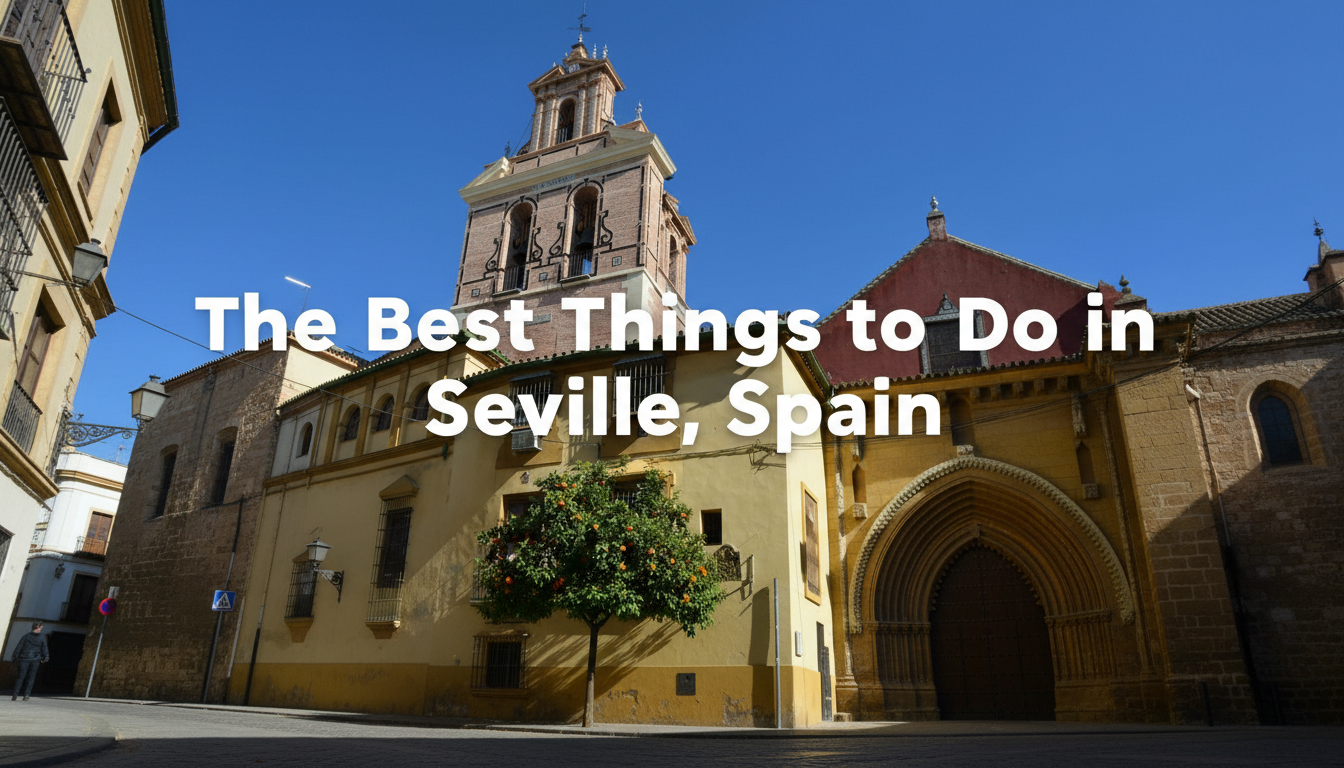
Seville, the sun-drenched capital of Andalusia in southern Spain, is a city that immediately wins people over. Seville, which is well-known for its lively culture, Moorish architecture, flamenco rhythms, and streets that smell of oranges, provides a unique fusion of romance and history. Finding the greatest things to do in Seville ought to be at the top of your list of things to do in Europe, regardless of whether you’re planning a short getaway or a longer trip to Spain.
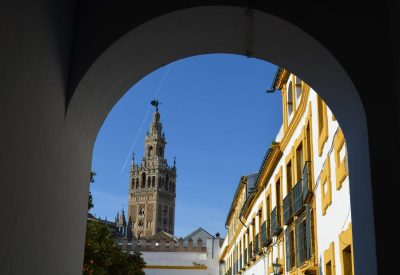
The magnificent Real Alcázar of Seville, a magnificent royal palace with elaborate Mudéjar architecture and verdant grounds, is located in the heart of the city. A short distance away, the famous La Giralda and the beautiful Seville Cathedral, one of the biggest Gothic churches in the world, dominate the skyline. Visitors can enjoy expansive views of Seville’s terracotta roofs after scaling the tower.
Beyond its landmarks, Seville is a city meant to be experienced slowly. Wander through the charming Santa Cruz neighbourhood, relax in the grand Plaza de España, or enjoy sunset views along the Guadalquivir River. In the evening, immerse yourself in authentic flamenco performances that reflect the soul of Andalusia.
Seville is also tempting to foodies. The city’s food scene is both traditional and inventive, with tapas bars tucked away in secret passageways and bustling neighbourhood markets.
Seville continues to be one of Spain’s most alluring travel destinations because of its timeless beauty, pedestrian streets, and year-round weather. This Andalusian treasure provides an unforgettable experience, regardless of your interests in history, architecture, food, or culture.
In this blog, we will give you our list of the best things you should do and see when you visit Seville, Spain.
-
Explore the Royal Beauty of the Real Alcázar
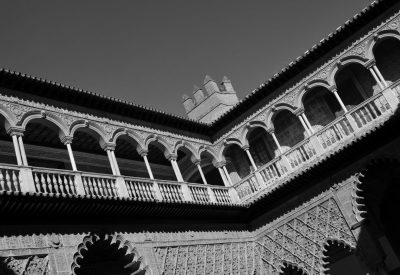
Discovering the magnificent Real Alcázar of Seville, one of the most remarkable royal palaces in Europe, is a must for any trip to Seville. This magnificent complex of Mudéjar architecture, which combines Islamic, Gothic, Renaissance, and Baroque elements, is recognized as a UNESCO World Heritage Site.
The Alcázar was first constructed as a Moorish stronghold in the tenth century, and following the Reconquista, Christian rulers enlarged it. It is currently the oldest royal palace still in use in Europe and serves as the official residence of the Spanish royal family.
Any vacation to Seville must include a visit to the beautiful Real Alcázar, one of the most amazing royal palaces in Europe. A UNESCO World Heritage Site, this remarkable complex of Mudéjar architecture blends Islamic, Gothic, Renaissance, and Baroque features.
Originally built as a Moorish stronghold in the tenth century, the Alcázar was expanded by Christian kings after the Reconquista. As the official house of the Spanish royal family, it is currently the oldest royal palace still in operation in Europe.
Discovering the Real Alcázar of Seville is more than just taking in the scenery; it’s entering a living example of Spanish history that is full of ageless beauty, architectural genius, and regal majesty.
2. Visit Seville Cathedral & Climb La Giralda
The beautiful Seville Cathedral, one of the biggest Gothic churches in the world and a UNESCO World Heritage Site, must be seen on every trip to Seville. Seville’s rich cultural and religious past is reflected in this architectural masterpiece, which was constructed in the fifteenth century on the site of a medieval mosque.
The cathedral’s enormous size, lofty vaulted ceilings, and exquisite stained-glass windows greet you as soon as you enter. The elaborate altarpiece, called the Retablo Mayor, is one of the biggest in the world and has beautiful gold carvings that show scenes from Christ’s life. This site is noteworthy both historically and spiritually because visitors may also see Christopher Columbus’s tomb.
Every journey to Seville must include a visit to the stunning Seville Cathedral, one of the largest Gothic churches in the world and a UNESCO World Heritage Site. Built in the fourteenth century on the site of an ancient mosque, this architectural masterpiece reflects Seville’s rich religious and cultural heritage.
As soon as you enter the cathedral, you are greeted by its massive proportions, soaring vaulted ceilings, and beautiful stained-glass windows. The intricate altarpiece, known as the Retablo Mayor, is among the largest in the world and features exquisite gold carvings depicting events from the life of Christ. Because visitors can also view Christopher Columbus’s tomb, this location is significant both historically and spiritually.

3. Wander Plaza de España in Seville
Plaza de España, one of the most magnificent sites in southern Spain, is a must-see location when visiting Seville. Constructed in 1929 for the Ibero-American Exposition, this expansive square combines Moorish and Renaissance Revival architectural elements, making it one of the city’s most picturesque locations.
Spain’s acceptance of its former colonies is symbolized by the plaza’s semi-circular layout, and each Spanish province is represented by the intricate ceramic tilework. Beautifully adorned alcoves with vibrant azulejos that each tell a historical tale about a different part of Spain may be found as you meander through the curved gallery. It’s a singular chance to explore the cultural diversity of the nation in one place.
Four graceful bridges that symbolize the historic Spanish kingdoms span a broad waterway in the heart of Plaza de España. The square’s charm and laid-back vibe are enhanced by the availability of small rowboats for rent, which allow visitors to take a romantic trip beneath the bridges. The classic Andalusian atmosphere is enhanced by the many passing horse-drawn carriages.
The plaza, which is surrounded by Maria Luisa Park’s rich vegetation, provides a tranquil haven from the bustling streets of the city. It’s the perfect spot for taking pictures, taking a leisurely stroll, or just lounging in the sun and taking in the stunning architecture.
Plaza de España has gained international recognition by appearing in various films. Wandering through Plaza de España, which is romantic, historic, and unquestionably stunning, is one of the most memorable experiences in Seville, whether you visit at golden hour or under the bright Andalusian sun.


4. Get Lost in the Barrio Santa Cruz in Seville
Exploring the old Barrio Santa Cruz is one of Seville’s most captivating experiences. This quaint neighbourhood, which was once the city’s Jewish district during the Middle Ages, is made up of winding cobblestone alleyways, secret courtyards, and whitewashed homes with vibrant flower pots. It’s the ideal spot to take it leisurely and fully appreciate Seville’s charming ambience.
Part of the magic here is getting lost. There is something lovely around every corner, whether it’s a peaceful square, a courtyard with orange trees for shade, or a typical tapas bar hidden away from the major tourist paths. There are quiet places to sit, unwind, and take in the historic surroundings in small squares like Plaza de Doña Elvira.
A number of significant landmarks, including as the Real Alcázar and the neighbouring Seville Cathedral, may be found in Barrio Santa Cruz. The neighbourhood’s small elements, such as its wrought-iron balconies, tiled street signs, and the gentle sound of flamenco music filling the air in the evening, are what really make it charming.
It is one of Seville’s most romantic spots when the sun sets and the golden light fills the winding lanes with a cozy glow. It’s a great place to take pictures, take leisurely strolls, or eat real Andalusian food at a nearby restaurant.
One of the best things to do in the city is strolling around Barrio Santa Cruz, which offers a timeless look into Seville’s past whether you’re visiting during the day or at night. It’s a blend of history, culture, and enticing charm.
5. Experience Authentic Flamenco in Seville
You have to experience real flamenco in Seville, where it originated, if you want to fully grasp the essence of the city. Flamenco is a potent expression of passion, emotion, and Andalusian tradition that has been ingrained in southern Spain for ages. It is more than just music and dance.
Some of Spain’s most prestigious tablaos (flamenco venues), where gifted dancers, singers, and guitarists play in small settings, are located in Seville. Soulful vocals flood the audience, hands clap in time, and rhythmic footwork reverberates over the stage, creating an exciting atmosphere. Each performance is genuine and intimate, frequently narrating tales of love, heartache, and resiliency.
Seville’s traditional flamenco performances prioritize connection and sincerity over elaborate theatrical spectacles. The artists create a dynamic experience that shifts from night to night by feeding off the enthusiasm of the audience. Particularly immersive experiences can be found in small venues in historic areas like Triana and Barrio Santa Cruz.
Purchase your tickets in advance and pick a show that features live guitar and singing in addition to dancing for the greatest experience. Additionally, some locations provide meal packages that include traditional Andalusian food, enabling you to blend cuisine and culture in one memorable evening.
In Seville, seeing flamenco is more than just amusement; it’s a window into Andalusian culture. It’s one of the most memorable and important things to do in Seville because of the emotion, intensity, and artistry that create a lasting impact. Flamenco is the starting point for experiencing the authentic rhythm of Spain.

6. Visit Metropol Parasol (Las Setas) in Seville
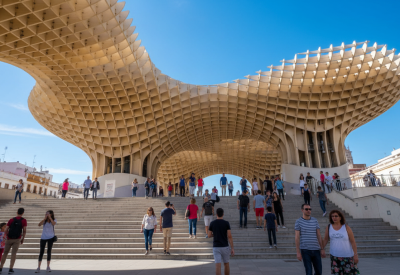
Visit the eye-catching Metropol Parasol, colloquially referred to as Las Setas (“The Mushrooms”), for a contemporary contrast to Seville’s historic sites. This modern wooden building, one of the biggest in the world, is situated in Plaza de la Encarnación and has swiftly come to represent modern Seville.
Metropol Parasol, created by German architect Jürgen Mayer, rises sharply above the metropolitan skyline with its distinctive honeycomb design. Although Seville is well-known for its Moorish castles and Gothic cathedrals, Las Setas highlights the city’s inventive and progressive side.
The structure has several levels that visitors can explore. The Antiquarium, an archaeological museum showcasing Roman and Moorish remains found during construction, is located on the ground floor. Above, a bustling market and eateries foster a dynamic social environment.
But the expansive rooftop walkway is the main attraction. Enjoy expansive 360-degree views of Seville’s roofs, church towers, and far-off hills as you wander along the elevated trails. When the city is bathed in golden light and the skyline becomes a romantic landscape ideal for photography, sunset is the most magical time to visit.
Additionally, Metropol Parasol shines brilliantly at night, giving the ancient surrounds a technological radiance. It is a well-liked gathering place for both locals and tourists, combining community, architecture, and culture in one place.
One of the most memorable and up-to-date things to do in Seville is to visit Metropol Parasol, whether you’re looking for breath-taking city views, contemporary architecture, or a distinctive photo opportunity.

7. Explore Triana Neighborhood in Seville
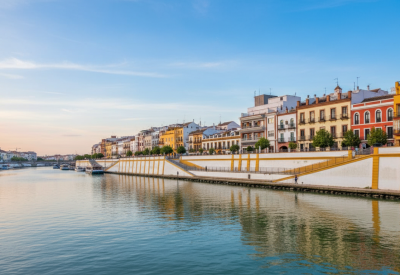
The lively Triana area, which is situated directly over the Guadalquivir River, provides a genuine window into Seville’s cultural core. Compared to the city’s major tourist destinations, Triana is more private and traditional. It is well-known for its strong sense of local identity, flamenco legacy, and pottery traditions.
You’ll notice the vibrant atmosphere as soon as you cross the famous Isabel II Bridge (Puente de Triana). Streets are lined with vibrant tiled buildings, local markets are bustling, and tapas bars are crowded with Sevillanos savoring delicious food and chit-chatting. The neighborhood has a unique personality founded in working-class heritage and inventiveness because it has always been connected with artists, sailors, and flamenco performers.
Located just above the Guadalquivir River, the vibrant Triana neighborhood offers a true insight into Seville’s cultural heart. Triana is more traditional and private than the city’s main tourist attractions. It is renowned for its pottery customs, flamenco heritage, and strong feeling of local identity.
As soon as you pass the well-known Isabel II Bridge (Puente de Triana), you’ll notice the lively atmosphere. Local markets are busy, streets are lined with colorful tiled buildings, and tapas bars are packed with Sevillanos enjoying delectable food and small talk. Because the neighborhood has traditionally been associated with artists, sailors, and flamenco performers, it has a distinct personality rooted in working-class heritage and innovation.

8. Indulge in Seville’s Tapas Culture in Seville
A visit to Seville wouldn’t be complete without experiencing its renowned tapas scene. Seville is regarded by many foodies as the origin of tapas, making it one of Spain’s top gastronomic destinations. There are countless ways to enjoy real Andalusian cuisine in the city, from contemporary gastro pubs to classic taverns.
In Seville, tapas are a way of life rather than just little plates. Late into the evening, locals walk from bar to bar, laughing, telling stories, and sharing food. Traditional favorites include salmorejo, grilled prawns, crispy fried fish, jamón ibérico, and espinacas with garbanzos (spinach with chickpeas). Enjoy your dinner with a refreshing cerveza, tinto de verano, or local sherry.
Traditional tapas taverns with a lot of personality can be found in neighbourhoods like Barrio Santa Cruz, Triana, and the historic centre. A memorable ambiance is created by wooden counters, hanging hams, handwritten menus, and animated conversation. Modern restaurants honour local resources while reinterpreting traditional cuisine with inventive presentation for a more modern take.
The custom known as “ir de tapas” is ordering a few plates at one restaurant before going on to the next for a genuine tapas experience. This lets you explore different parts of the city and sample a range of delicacies.
Seville dining is convivial, laid-back, and joyous; it is not hurried. Enjoying Seville’s tapas culture is one of the most genuine and delectable things the city has to offer, whether you’re having a romantic supper for two or a fun night out with friends.

9. Go Watch a Sevilla FC and Real Betis Football Game in Seville
A football game in Seville is one of the most intense, passionate, and emotionally charged experiences in Spain. Football is the lifeblood of the city, which is home to two legendary rivals, Sevilla FC and Real Betis. One of the most thrilling things to do in Seville is to go to a match, regardless of whether you are a lifetime fan or just interested in Spanish sports culture.
Real Betis holds games at the Benito Villamarín Stadium, whereas Sevilla FC plays at the Ramón Sánchez-Pizjuán Stadium. Loyal fans’ yells, flags, and unceasing singing fill both stadiums. Long before kick-off, fans congregate in local pubs and squares, generating excitement with food, beverages, and heated discussion.
One of Spain’s fiercest rivalries is the Seville Derby, or “El Gran Derbi” as it is called locally. The whole city turns either green-and-white (Real Betis) or red-and-white (Sevilla FC) when these two teams play. The passion is indelible, even if you’re neutral.
Travelers can afford it because tickets are often less expensive than those in other major European cities. Stay after the final whistle to watch post-match celebrations or condolences, and arrive early to experience the excitement of the pregame.
Beyond the game itself, a Seville football game provides a window into Andalusian pride, identity, and camaraderie. It’s more than simply a game; it’s a cultural encounter that embodies the city’s essence. Watching Real Betis or Sevilla FC live is a must-do activity in Seville for both culture vultures and sports enthusiasts.


10. Festivals in Seville
Seville is well known around the world for its colorful festivals, which combine music, culture, and remarkable enthusiasm with centuries-old customs. One of the best travel choices you can make if you’re considering a trip to Seville is to schedule it around one of its famous festivals.
Semana Santa, or Holy Week, is the event with the most international recognition. This significant religious celebration, which takes place the week before Easter, turns the city into a poignant display of devotion. The old streets are filled with traditional robes, illuminated processions, elaborate floats, and heartfelt saetas (songs in the flamenco style). It draws tourists from all over the world and is regarded as one of Spain’s most significant Holy Week festivals.
Seville erupts in excitement during the renowned Feria de Abril (April Fair) just two weeks later. The joy of Andalusia is evident during this week-long celebration. Locals congregate in exquisitely adorned casetas (tents), dance sevillanas, savour tapas, and revel day and night under thousands of brilliant lanterns while wearing colourful flamenco dresses and fitted suits. It’s one of Europe’s most attractive celebrations, complete with horses, carriages, and colourful fairground lights.
Every two years, the Bienal de Flamenco is a must-see for fans of flamenco. The world’s top flamenco dancers, singers, and guitarists come together for this esteemed event, further solidifying Seville’s standing as the epicentre of true flamenco tradition.
Corpus Christi, Christmas markets, and summer cultural festivals are other noteworthy occasions that keep the city vibrant all year long.
Seville is a popular festival destination in Europe because of its festivals, which offer culture, passion, and life-changing experiences, from solemn processions to uninterrupted dance.