


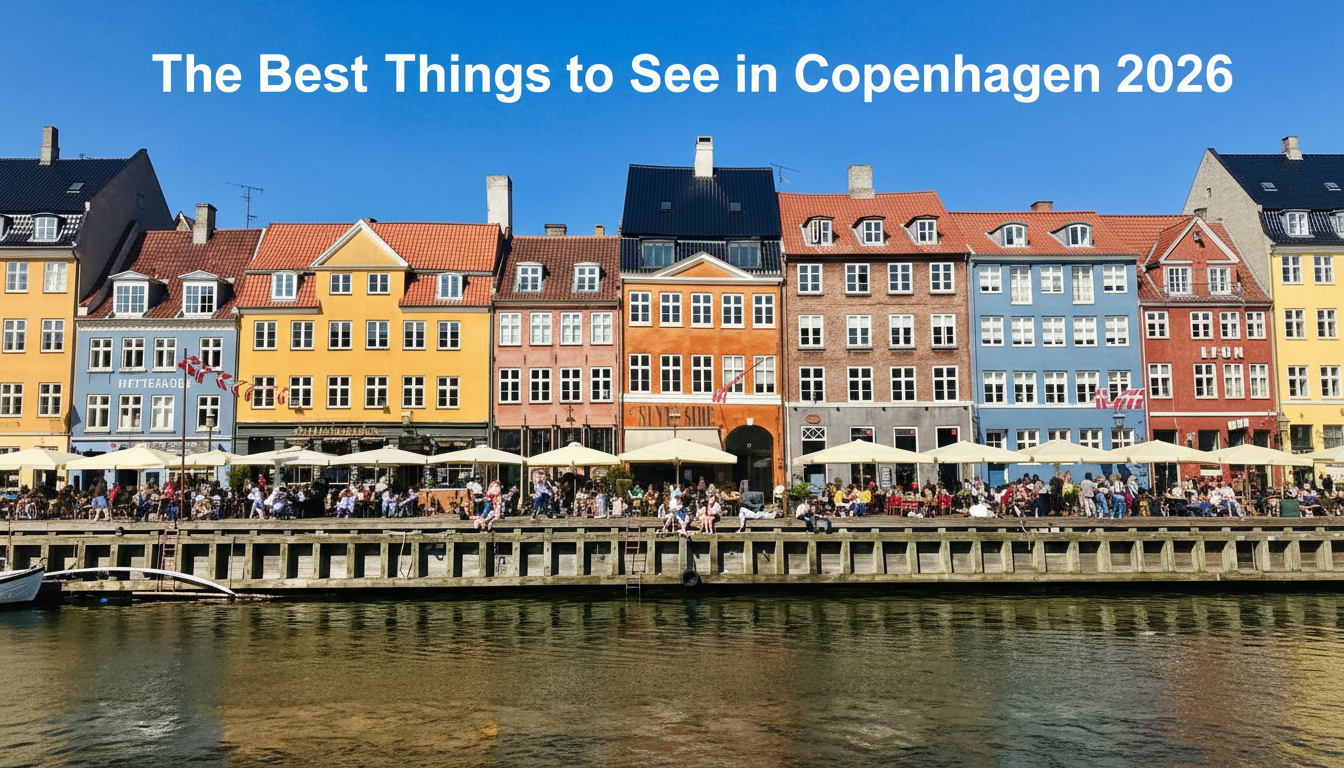
One of Europe’s most alluring travel destinations in 2026 is Copenhagen, the dynamic capital of Denmark, which combines modern architecture with historic charm. Copenhagen has something to offer everyone, whether you’re a family seeking enjoyable adventures, a couple seeking romance, or a lone traveler. The city offers remarkable experiences at every turn, from vibrant canals and cobblestone streets to top-notch food and cutting-edge architecture.
Exploring the famous Nyhavn port, where vibrantly colored 17th-century buildings line the waterfront and offer picture-perfect views and quaint cafés, is one of the joys of visiting Copenhagen. One of the world’s oldest amusement parks, Tivoli Gardens offers visitors a fantastical world filled with exhilarating rides, live performances, and enchanted night-time lights.
Copenhagen is a veritable gold mine of art, history, and design for those who enjoy culture. While the Christiansborg Palace welcomes guests to enter centuries of royal history, the National Museum of Denmark and the Louisiana Museum of Modern Art present both Danish legacy and modern inventiveness.
Copenhagen, which has a thriving food scene with Michelin-starred restaurants and New Nordic cuisine, will also be a foodie’s paradise. Don’t forget to explore the lively street food markets, which offer a sense of the city’s distinctive flavors, or sample traditional Danish pastries.
Copenhagen is a city full of surprises, whether you choose to visit the famous Little Mermaid statue, take a stroll along the tranquil canals of Christianshavn, or find hidden treasures in the city’s hip areas. To help you make the most of your vacation and enjoy the ideal fusion of culture, history, and contemporary Danish charm, we’ll walk you through the top things to see and do in Copenhagen in 2026.
In this blog, we will give you our list of the best things to do and see in Copenhagen, Denmark in 2026.
-
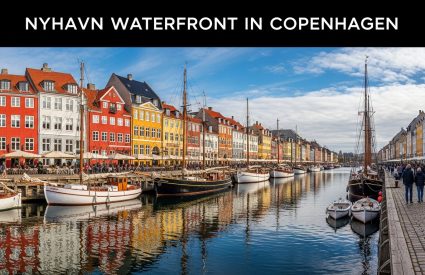
Nyhavn: Copenhagen’s Most Iconic Waterfront – History, Color & Coastal Charm
Without a doubt, Nyhavn is Copenhagen’s most famous and frequently photographed shoreline. With its colorful townhouses, vintage wooden ships, and bustling environment that combines old-world elegance with contemporary Scandinavian culture, this historic canal from the 17th century reflects the essence of the city. Nyhavn, which was first built as a commercial harbor for traders and sailors in the 1670s, has grown to become one of Denmark’s most popular travel destinations.
Some of Copenhagen’s oldest structures may be found along the canal, which has colorful facades that date back hundreds of years. The renowned Danish writer Hans Christian Andersen used to reside in Nyhavn, where he wrote a number of his well-known fairy tales. In addition to being a social focus for both inhabitants and tourists, the canal is also profoundly ingrained in Danish history today.
It’s like entering a postcard when you stroll along Nyhavn. During the warmer months, live music frequently fills the air, restaurants overflow onto the cobblestone walkways, and traditional wooden ships softly float on the water. Fresh seafood, traditional Danish dishes, or just relaxing with a drink while taking in the passing boats are all ideal in this location.
Nyhavn is a great starting point for sightseeing because it’s where many of Copenhagen’s well-known canal excursions begin. Throughout the day, the ambiance shifts nicely, but at sunset and evening, lights reflect off the buildings and lake, creating an especially enchanted radiance.
Nyhavn is a must-see location whether you’re traveling to Copenhagen for the first time or returning. It is one of the most memorable locations in Denmark because it wonderfully captures the city’s marine history, laid-back culture, and distinctive Scandinavian charm.
2. Tivoli Gardens: A Fairy-tale in the Heart of Copenhagen
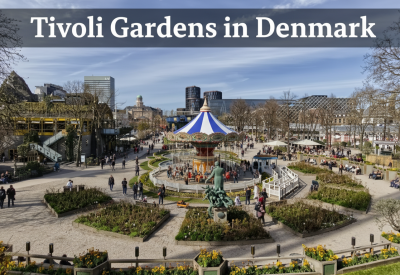
One of the most enchanted sights in Copenhagen and one of the oldest amusement parks still in operation worldwide is Tivoli Gardens. This famous location, which opened in 1843, combines romance, nostalgia, and contemporary entertainment in the heart of the city, just a short distance from Copenhagen Central Station.
You are taken to a world straight out of a novel as soon as you walk into Tivoli. A timeless fairy-tale mood is created by lovely gardens, sparkling lights, and exquisite architecture. Tivoli features modern attractions and exhilarating rides like the old wooden roller coaster during the day. At night, the park is transformed into a luminous wonderland with thousands of lights.
Tivoli is renowned for its cultural experiences in addition to its rides. All year long, there are seasonal events, theatre productions, ballet performances, and outdoor concerts. The park is particularly charming for special occasions like Halloween, Christmas, and summer evenings, when the ambiance is enhanced with themed activities, music, and decorations.
Tivoli will also be appealing to foodies. There are many different places to eat in the park, ranging from simple street cuisine to upscale eateries with Michelin stars. Tivoli has something for every palate, whether you’re eating international food, Danish classics, or a straightforward coffee while taking in the scenery.
For many years, Tivoli Gardens has served as a source of inspiration for artists and innovators, such as Walt Disney, who is renowned for drawing inspiration from its design. It still serves as a representation of Copenhagen’s capacity to combine innovation and heritage.
Tivoli Gardens is a must-see destination whether you’re traveling alone, with your family, or as a couple. It is a genuinely remarkable experience in the center of Copenhagen, capturing the city’s fun, romantic, and inventive essence.

3. The Little Mermaid Statue: Copenhagen’s Most Beloved Symbol
One of Copenhagen’s most famous and photographed sites is the Little Mermaid Statue, which is peacefully perched on the rocky shoreline of Langelinie. This diminutive yet potent sculpture, which was inspired by the well-known fable by Hans Christian Andersen, has endured as a testament to Denmark’s cultural legacy and storytelling customs.
Inspired by a ballet version of Hans Christian Andersen’s tale, brewer Carl Jacobsen commissioned sculptor Edvard Eriksen to create the statue, which was unveiled in 1913. The Little Mermaid, who is only 1.25 meters tall, represents hope, sacrifice, and longing as she looks out to sea. Even though she is small, her emotional presence makes an impact on tourists from all over the world.
Because of its position, the statue is a convenient and picturesque place to stop while visiting Copenhagen’s waterfront. Beautiful views of the city, surrounding parks, and the water can be had by taking a stroll or bicycle ride along the harbor promenade. The best times to go are in the early morning and evening, when there are less people and a more serene, contemplative mood.
Like the tale she symbolizes, the Little Mermaid has persevered through weather, demonstrations, and vandalism over the years. Her capacity to endure hardships has transformed her into an unexpected icon of fortitude and perseverance, giving her fairy-tale beginnings more nuance.
Most visitors depart enjoying her peaceful charm and cultural value, however others are taken aback by her diminutive size. The Little Mermaid is about connection, emotion, and history more than grandeur.
A trip to Copenhagen wouldn’t be complete without visiting this classic statue. She serves as a kind reminder of Denmark’s passion for stories, art, and literature, all of which continue to inspire people all over the world.


4. Christiansborg Palace: Power, Politics, and Royalty in the Heart of Copenhagen
One of Copenhagen’s most significant and intriguing landmarks is Christiansborg Palace, which is situated on the ancient island of Slotsholmen. Christiansborg is a potent symbol of Danish democracy, history, and royal legacy because it houses the executive, legislative, and judicial departments of Denmark’s government, unlike any other palace in the world.
The tale of the palace is one of tenacity and rebirth. Christiansborg, which was constructed on the location of Copenhagen’s first medieval castle, was destroyed by fire twice before being rebuilt; the current building was finished in 1928. The palace today offers guests a unique window into the changing connection between royalty and contemporary government by fusing centuries of political and royal legacy with Neo-Baroque architecture.
Explore the Royal Reception Rooms, which the Danish king still uses for ceremonies, state dinners, and formal gatherings. A must-see feature is the opulent Great Hall, which features enormous tapestries that represent a millennium of Danish history. Layers of Copenhagen’s history, from Viking foundations to medieval walls, may be seen beneath the palace in evocative ruins.
Christiansborg is an active political center rather than a static museum because it is home to the Prime Minister’s Office, the Supreme Court, and the Danish Parliament (Folketinget). Through guided tours, guests can explore parliamentary chambers and learn about the modern workings of Denmark’s democracy.
The tallest tower in Copenhagen, Christiansborg Tower, provides free access and stunning views of the city from roofs, canals, and other locations.
A must-see destination on any itinerary for Copenhagen, Christiansborg Palace is more than just a royal house; it is a living example of Denmark’s harmony of tradition, authority, and progressive administration.

5. Amalienborg Palace: Home of the Danish Royal Family
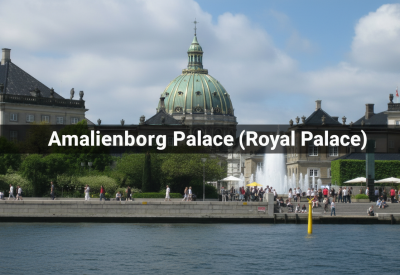
Amalienborg Palace, one of Copenhagen’s most famous buildings, is the official house of the Danish Royal Family and is situated in the posh Frederiksstaden neighborhood. Amalienborg, which overlooks a magnificent octagonal square with expansive views of the Opera House, epitomizes Denmark’s fusion of royal tradition, stunning architecture, and contemporary living.
Originally constructed in the middle of the eighteenth century for aristocratic families, Amalienborg is composed of four identical Rococo houses. The royal family relocated to Amalienborg following the disastrous fire that destroyed Christiansborg Palace in 1794, turning the complex into the center of Danish monarchy. These days, every palace has a distinct function, ranging from public museums to private royal palaces.
The equestrian monument of King Frederik V, the originator of Frederiksstaden, is located in the middle of the plaza, making it a prominent focal point and one of Copenhagen’s most photographed locations. Explore the Amalienborg Museum, which provides a unique window into royal life with exhibitions spanning more than 150 years of royal history, personal objects, and restored interiors.
Seeing the Changing of the Guard is one of the attractions of visiting Amalienborg. Crowds from all around the world attend the Royal Life Guards’ ceremonial guard change, which takes place every day at noon as they march from Rosenborg Castle to Amalienborg.
Amalienborg feels hospitable and open despite being a busy royal residence, blending in perfectly with everyday city life. It’s a great place to stop while walking about Copenhagen because of the cafés, waterfront promenades, and neighboring attractions.
Amalienborg Palace is a must-see attraction for any tourist to Copenhagen since it provides a genuine experience of Denmark’s monarchy, which is rich in history, still very much alive, and intricately intertwined into the city’s fabric.

6. Rosenborg Castle and the King’s Garden: Royal Treasures in the Heart of Copenhagen
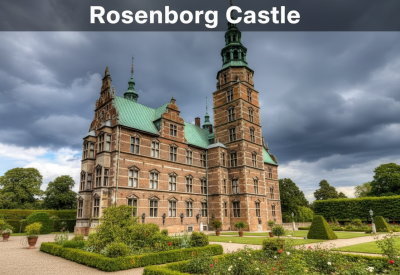
One of Denmark’s most cherished historical sites, Rosenborg Castle is located in the heart of Copenhagen and is renowned for its fairy-tale architecture, royal collections, and lovely surrounding gardens. Rosenborg, a summer pleasure palace constructed by King Christian IV in the early 17th century, epitomizes the opulence of Denmark’s Renaissance.
The castle is readily recognized due to its symmetrical shape, copper spires, and red brick exterior. Visitors are taken through centuries of Danish royal history within. The Danish Crown Jewels and Royal Regalia, which include sparkling crowns, thrones, and ceremonial items used during coronations, are kept in Rosenborg. Royal portraits, tapestries, and personal items that offer a close-up view of Danish kings’ and queens’ life are shown in opulently furnished rooms.
The Knight’s Hall, where coronation thrones guarded by silver lions stand as potent symbols of royal authority, is one of the most striking locations. Every area in the castle tells a tale of strength, custom, and creativity, making it feel like you’re entering a living museum.
The King’s Garden (Kongens Have), Copenhagen’s oldest and most popular park, surrounds the castle. Both locals and tourists love this exquisitely designed green area because it has well-kept grass, rose gardens, and shaded walkways. In contrast to the regal ambiance of the castle, the garden comes alive with picnics, sunbathers, and cultural activities during the summer months.
Together, Rosenborg Castle and the King’s Garden provide the ideal fusion of pleasure and history. This famous combo is a must-see while seeing Copenhagen’s rich cultural legacy, whether you’re taking in rare royal relics or taking a leisurely stroll through the grounds.
7. Carlsberg Brewery Tours: Discover Denmark’s Most Famous Beer Legacy
For beer enthusiasts visiting Copenhagen, a trip to the Carlsberg Brewery is a must-do experience that provides an immersive tour into one of Denmark’s most recognizable businesses. Carlsberg, which J.C. Jacobsen founded in 1847, is more than just a brewery; it is an important part of Danish culture, innovation, and the history of brewing worldwide.
The brewery tour, which takes visitors through exquisitely preserved industrial buildings that previously served as the center of Denmark’s beer production, is situated in the historic Carlsberg District. The experience explains how Carlsberg contributed to the revolution of contemporary brewing by fusing science, history, and storytelling. Exhibits about Emil Christian Hansen’s discovery of yeast, which revolutionized beer fermentation globally, are among the highlights.
Visitors can examine interactive exhibits that describe the ingredients, brewing method, and Carlsberg’s dedication to quality and sustainability. One of the most well-liked locations is the fabled Elephant Gate, which is guarded by four enormous granite elephants that have come to represent the brewery and are among Copenhagen’s most photographed sites.
A sampling is a must on any visit of the Carlsberg Brewery. Freshly brewed beers, from traditional Carlsberg lagers to limited-edition artisan types, are available for sampling at the tourist center. The contemporary taproom has a laid-back vibe that makes it the ideal spot to rest after seeing the displays.
Beyond beer, Carlsberg’s impact may be seen in art and architecture. A large portion of Copenhagen’s museum and artistic scene was shaped by the founder’s intense zeal for cultural advancement. The brewery tour gains depth from this relationship, which appeals to people who don’t drink beer.
In one captivating experience, Carlsberg Brewery Tours blend innovation, legacy, and flavor. This renowned destination is a centerpiece of any Copenhagen itinerary and provides an intriguing glimpse into Denmark’s brewing heritage, regardless of whether you are a casual visitor or a devoted beer fan.

8. Christianshavn and Its Canals: Copenhagen’s Charming Waterfront District
One of Copenhagen’s most charming and evocative areas, Christianshavn is well-known for its meandering canals, vibrant houseboats, and relaxed maritime atmosphere. Christianshavn was first constructed as a fortified trading area by King Christian IV in the early 17th century, drawing inspiration from Amsterdam. It is now a thriving neighborhood where seaside life, innovation, and history coexist.
The neighborhood’s canals, which are studded with charming cafés, ancient warehouses, and floating homes that provide a distinctively laid-back feel, are its defining characteristic. Beautiful reflections can be seen when strolling or riding by the lake, particularly at sunrise and dusk when the canals are softly lit. Christianshavn is frequently traversed by boat trips, which offer one of the best views of the area from the water.
The Church of Our Savior (Vor Frelsers Kirke), with its recognizable spiral tower, is one of the region’s most well-known sights. For sweeping views of Copenhagen, daring tourists can ascend the exterior staircase, which rewards climbers with one of the city’s most memorable sights.
Freetown Christiania, a distinctive and contentious neighborhood that has grown to be one of Copenhagen’s most popular tourist destinations, is also located in Christianshavn. Christiania gives the region a unique cultural edge and is well-known for its creative spirit, alternative lifestyle, and street art.
Christianshavn has a lot to offer foodies, from world-class dining experiences to classic Danish restaurants. The district is perfect for leisurely evening walks and waterfront restaurants due to its close proximity to the harbor.
Christianshavn presents a more leisurely yet captivating aspect of Copenhagen by fusing historical canals, cultural sites, and contemporary city life. For tourists looking for charm, personality, and a genuine local vibe outside of the city center, it’s a must-visit location.

9. The National Museum of Denmark: A Journey Through Danish History and Culture
The most significant cultural establishment in the nation, the National Museum of Denmark (Nationalmuseet) is a must-see destination in Copenhagen for anybody with an interest in history, culture, and narrative. The museum provides an interactive trip through Denmark’s history, from prehistoric periods to the present, and is housed in a former royal palace next to Christiansborg.
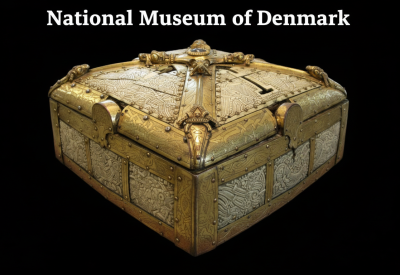
Visitors can peruse a vast collection spanning thousands of years within. Highlights include the well-known Trundholm Sun Chariot, one of Europe’s most important Bronze Age objects, and exceptionally well-preserved Viking artefacts, including jewelry, weaponry, and rune stones that vividly depict Norse history. The museum’s Viking exhibits are among the greatest in Scandinavia, providing a glimpse into Viking exploration, trade, and daily life.
The National Museum has collections from all around the world in addition to Danish history. The museum’s exhibits on Greenland, ancient Egypt, the Middle East, and Asia offer a more comprehensive view of human culture and civilization, making it both instructive and globally relevant.
The Children’s Museum, one of the most well-liked sections of the museum, has interactive displays that let younger visitors experience living in various historical eras, tour a Viking ship, and dress in historical costumes. The museum is particularly family-friendly because of its interactive approach.
The National Museum of Denmark is free to enter, making it an accessible and enriching experience for all travelers. Its thoughtful exhibitions, detailed storytelling, and beautifully curated artefacts offer deep insight into Denmark’s cultural identity.
Whether you’re fascinated by Vikings, royal history, or world cultures, the National Museum of Denmark provides a compelling and comprehensive introduction to the stories that have shaped the nation and the wider world.

10. Freetown Christiania: A Unique Alternative Community in Copenhagen
Freetown Christiania, one of Copenhagen’s most notable and talked-about areas, lies tucked away in the center of Christianshavn. This self-declared independent area, which was founded in 1971 by a group of artists and activists, has come to represent creativity, independence, and alternative life in Denmark.
Christiania is well-known for its vivid street art, quirky architecture, and colorful streets. The community’s values of self-expression and cooperation are reflected in the area’s hand-painted murals, eccentric homes, and open areas. Christiania, which emphasizes communal living, environmental sustainability, and artistic freedom, runs under its own set of rules, in contrast to the rest of Copenhagen.
Pusher Street, well-known for its contentious outdoor markets, is one of Christiania’s highlights. The region provides an insight into the intricate social and cultural dynamics of the community, although being governed by local laws. Beyond this, Christiania is a center for cultural events and get-togethers because to its quaint cafés, distinctive craft stores, and live music venues.
In order to showcase local innovation and provide visitors with immersive experiences, the community also regularly sponsors festivals, workshops, and exhibitions. Christiania is perfect for anyone who want to get away from the bustle of Copenhagen’s city center because of its picturesque canals and grassy areas, which offer serene locations for leisure and photography.
Experience a living experiment in alternative culture, social experimentation, and artistic expression when you visit Freetown Christiania; it’s more than just a sightseeing excursion. Christiania is still a lively, active, and crucial destination for tourists looking for a genuinely distinctive side of Copenhagen outside the usual tourist sites, despite being contentious to some.
One of Copenhagen’s most intriguing and picturesque neighborhoods, this remarkable community offers a fusion of history, art, and an accepting attitude.


11. Nightlife in Copenhagen: From Cozy Bars to Vibrant Clubs
In addition to being a city rich in culture and history, Copenhagen is known for its exciting nightlife, which offers something for every taste, from high-energy clubs to relaxed pubs. Copenhagen offers something for everyone, whether you’re a group of friends looking to dance the night away, a couple on a romantic evening, or a traveler.
Start your evening in the Nyhavn neighborhood, where quaint eateries and pubs are housed in old waterfront buildings. Here, you may enjoy live music performances and views of the lit canal while sipping beverages. Visit Vesterbro, a hip area with eccentric speakeasies, cocktail lounges, and craft beer pubs that draw both residents and visitors, for a more unique experience.
Copenhagen is also well-known for its nightlife, with clubs like Culture Box and Rust providing late-night dance music, techno, and electronic sounds. The city is a popular European nightlife destination for partygoers, with many clubs featuring DJs who are well-known throughout the world.
Visit rooftop pubs and sky lounges, such those at Tivoli Gardens or the Bella Sky Hotel, for a distinctive Copenhagen experience. Savor a drink beneath the stars while taking in expansive city views—ideal for couples or anybody looking for a more laid-back or romantic atmosphere.
Partying is just one aspect of Copenhagen’s nightlife; another is taking in the energy and culture of the city after dark. The city’s evening culture offers a plethora of options, from late-night street cuisine and craft cocktails to live music and jazz clubs.
Copenhagen’s nightlife is vibrant, varied, and spectacular, making it a crucial component of any trip to Denmark’s capital, regardless of your preference for a leisurely evening sipping Danish beers by a canal or an all-night dance marathon in the city’s trendiest clubs.

12. Festivals in Denmark: Celebrating Culture, Music, and Tradition
Denmark is a nation that knows how to celebrate, with an exciting year-round program of events that draw both residents and visitors. Everyone looking for an unforgettable experience in Denmark can find something to enjoy, from contemporary music festivals to classic cultural events.
Every summer, the Roskilde Festival, one of Europe’s biggest music festivals, is one of the nation’s most famous events. It’s a must-see for music lovers and partygoers because of its international headliners, variety of musical genres, and vibrant camping culture. Distortion, a huge street festival in Copenhagen that honors electronic music, street culture, and urban life, is another well-known music event.
Denmark’s rich artistic legacy is on display during the Copenhagen Jazz Festival and the Aarhus Festival for individuals who are interested in culture and tradition. From live jazz and drama to visual arts, visitors can take in performances, exhibitions, and seminars showcasing local innovation. Sankt Hans Aften, the longest day of the year, is also frequently celebrated with bonfires and community get-togethers.
Denmark also holds distinctive seasonal celebrations, such as the Tivoli Christmas Market, where a beautiful ambiance is created by amusement park attractions, colourful lights, and holiday treats. Travelers can sample Danish food and engage in cutting-edge culinary experiences at food festivals like the Copenhagen Cooking & Food Festival.
Denmark’s festivals provide an ideal opportunity to discover regional customs, contemporary ingenuity, and lively community life, regardless of your interests in music, culture, or cuisine. These festivities offer a vibrant way to experience Denmark beyond standard sightseeing, with activities dispersed among cities and seasons.
Attending Denmark’s festivals is an engaging way to experience the country’s vibrant character, from upbeat music gatherings to traditional cultural events, making them a crucial component of any Danish itinerary.