

For thousands of years, beer has been one of the most popular drinks in the world, uniting people during festivals, sporting events, celebrations, and regular social get-togethers. Beer is still ingrained in many countries’ cultures, histories, and economies, from old European brewers to quickly expanding beer markets in Asia and the Americas. Some nations are known for their classic lagers, ales, and artisan beers, while others are notable for the enormous amount of beer that their citizens drink annually.
We’ll look at the countries where beer is most popular in our list of the Top 10 Beer-Drinking Countries in the World. These rankings, which are based on total beer consumption, showcase nations with robust brewing customs, booming beer industries, and devoted beer-loving communities. Every nation has a distinct relationship with one of the most popular drinks in the world, whether it’s China’s enormous consumer market, the Czech Republic’s centuries-old brewing tradition, or Germany’s well-known Oktoberfest.
Beyond the numbers, beer conveys a tale of regional tastes, customs, and cultural identity. Historic breweries, well-known beer brands, and yearly festivals that draw millions of tourists from all over the world can be found in several of these nations. Every location has something special to offer beer enthusiasts, from refreshing lagers and inventive craft beers to crisp pilsners and deep stouts.
This guide highlights the nations that consume the most beer worldwide, whether you’re a traveller organizing your next brewery tour, a craft beer fan, or just interested in global drinking habits. As we count down the Top 10 Beer-Drinking Countries in the World per capita and raise a glass and learn what makes each country a real beer powerhouse. Cheers!


-
Beer Drinking in Czechia
As the country with the highest per capita beer consumption, Czechia (previously the Czech Republic) is commonly regarded as the beer capital of the world. In Czech culture, beer is more than just a popular drink; it’s a treasured custom that has been around for more than a millennium. Since the Middle Ages, brewing has played a significant role in Czech history. Today, the nation is home to hundreds of breweries, ranging from inventive craft beer manufacturers to traditional family-run businesses.
When the first golden Pilsner beer was produced in Plzeň (Pilsen) in 1842, the Czech brewing culture became well-known throughout the world. This method transformed brewing and served as the inspiration for innumerable lagers made all over the world. Due to their superior quality and genuine brewing techniques, well-known Czech beer brands as Pilsner Urquell, Budweiser Budvar, Kozel, Staropramen, and Gambrinus have gained international recognition.
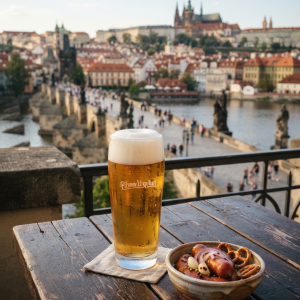
In Czechia, beer is an integral part of daily life. Locals frequently congregate in traditional taverns called hospody, where hearty Czech dishes like goulash, roast pig, dumplings, and sausages are served with freshly poured draft beer. Beer is frequently less expensive than bottled water in many establishments, and socializing over a pint is seen as a significant aspect of Czech culture.
Beyond its drinking culture, brewery tours, beer museums, and vibrant festivals honouring the nation’s brewing legacy draw millions of tourists to Czechia every year. For beer lovers who want to experience world-class lagers directly from the source and learn about traditional brewing methods, cities like Prague, Plzeň, and Čé Budějovice offer remarkable experiences.
Czechia has established itself as the world’s top beer-drinking country thanks to its centuries-old brewing skill, lively pub culture, and unrivalled devotion for high-quality beer. Travelers and beer enthusiasts alike have a rare chance to witness one of humanity’s most cherished and ancient customs in its purest form in this country.
2. Beer Drinking in Slovakia
Slovakia is one of the major beer-drinking countries in Central Europe because of its longstanding love of beer. Beer is a significant part of Slovak culture, social life, and culinary traditions, even if it may not get as much international recognition as neighbouring Czechia or Germany. Beer continues to be one of the most popular alcoholic beverages in the nation, whether it is consumed at sporting events, family get-togethers, neighbourhood pubs, or seasonal festivals.
Slovakia has a long history of brewing, dating back several centuries. Before huge commercial breweries appeared, beer was produced in monasteries and local communities. The nation now has a thriving craft beer culture in addition to a number of well-known brewers. Well-known Slovak beer brands including Corgoň, Steiger, Šariš, and Zlatý Bažant (Golden Pheasant) are popular both domestically and abroad. Slovakia’s brewing history is reflected in the range of lagers, pilsners, and specialty beers produced by these brewers.
Slovak hospitality is often associated with beer. Pivárne, or traditional pubs, are popular meeting spots where families and friends go to savour freshly poured draft beer and regional fare such grilled meats, sausages, bryndzě halušky (potato dumplings with sheep cheese), and substantial stews. Additionally, beer is a mainstay at athletic events, music festivals, and cultural celebrations, fostering a friendly environment for both locals and tourists.
Slovakia has seen a boom in craft brewing in recent years, with individual breweries experimenting with stouts, wheat beers, IPAs, and seasonal brews. While maintaining the nation’s robust lager heritage, this expanding trend has increased the variety of beers available.
Slovakia continues to be one of the top beer-consuming nations in the world because to a combination of centuries of brewing experience, high-quality regional brands, and a growing craft beer culture. It is a desirable destination for anyone interested in discovering Central Europe’s vibrant beer culture because of its friendly bars, tasty brews, and diverse customs.

3. Beer Drinking in Austria
Austria is one of the top beer-consuming nations in the world and has a long history of brewing. For ages, Austrians have valued beer, which is consumed during ordinary meals, sporting events, family get-togethers, and traditional festivals. Even though Austria is well-known around the world for its wines, beer is still the most popular alcoholic beverage in the nation and is ingrained in its social and gastronomic customs.
Austria has a long history of brewing, dating back to the Middle Ages, when monasteries were crucial to the production of fine beer. Brewing developed into a prosperous industry over time, and many old breweries are still in operation today. More than 300 breweries in Austria produce a wide variety of lagers, wheat beers, dézen, bocks, and craft brews. Both locally and abroad, well-known Austrian beer brands like Stiegl, Gösser, Zipfer, Ottakringer, Puntigamer, and Egger are renowned for their superior quality and unique flavours.
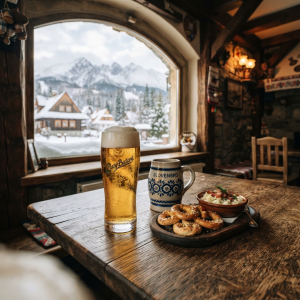
A key component of Austrian hospitality is beer. Locals congregate at neighbourhood beer gardens and traditional inns called Gasthäuser to savour freshly poured draft beer and traditional fare like Wiener Schnitzel, bratwurst, roast pig, pretzels, and cheese specialties. Austria’s brewing traditions are highlighted during regional beer festivals and seasonal celebrations, especially in the summer and fall, which draw tourists from all over the world.
India Pale Ales (IPAs), stouts, sour beers, and barrel-aged specials are just a few of the inventive varieties that Austria’s tiny independent breweries have introduced in recent years as part of the country’s embrace of the craft beer movement. The nation’s already remarkable beer culture has been reinforced by this expanding diversity while maintaining its traditional brewing techniques.
Austria is one of Europe’s top beer destinations thanks to its centuries-old brewing expertise, lively pub culture, and dedication to making great beer. Visitors may discover a beer culture that skilfully combines tradition, quality, and innovation, whether they are sipping craft brews in the Alpine regions or savouring a crisp lager in a classic Vienna pub.
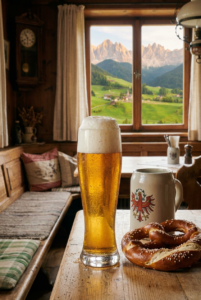
4. Beer Drinking in Ireland
Ireland is one of the most famous beer-drinking countries in the world, and its brewing heritage has influenced its culture and reputation for generations. In Ireland, beer is more than simply a drink; it’s a representation of celebration, hospitality, and community. Beer is a vital part of Irish social life and is intricately linked to the nation’s character, whether it is consumed in a quaint hamlet pub, a bustling city bar, or during national festivities.
Ireland’s brewing heritage dates back hundreds of years, and the nation has gained international recognition for its unique lagers, ales, and stouts. First made in Dublin in 1759, Guinness is the most well-known Irish beer. It has grown to be one of the world’s best-selling and most recognizable stouts. Other well-known Irish beer brands that contribute to Ireland’s long brewing history are Smithwick’s, Harp Lager, Murphy’s Irish Stout, and Beamish.
The core of Ireland’s beer culture is its traditional pubs. Locals and tourists congregate at these hospitable establishments to share stories with friends, watch sports, or enjoy a pint while listening to live traditional music. Irish stew, fish and chips, shepherd’s pie, soda bread, and shellfish are among the traditional Irish meals that are frequently served with beer, adding to the cosy and welcoming eating experience in the nation.
Ireland has also seen a thriving craft beer movement in recent years. A wide range of IPAs, pale ales, porters, wheat beers, and seasonal specialties are being produced by independent breweries around the nation, bringing fresh tastes and inventiveness to Ireland’s long-standing brewing heritage.
Ireland continues to be one of the world’s top beer destinations thanks to its renowned breweries, storied pubs, and unwavering love of good beer. Enjoying a freshly poured Irish pint in an authentic pub is a memorable experience that wonderfully embodies the passion, history, and hospitality of the Emerald Isle for both tourists and beer lovers.
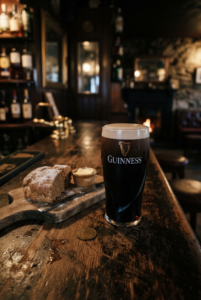
5. Beer Drinking in Croatia
Croatia is one of the most prominent beer-consuming nations in Europe thanks to its dynamic beer culture, which combines centuries-old brewing customs with contemporary tastes. Even though the nation is well-known across the world for its stunning Adriatic coastline and superb wines, beer is nevertheless a popular beverage among both residents and tourists. It is frequently savoured at athletic events, music festivals, family get-togethers, and leisurely evenings at cafés and bars by the sea.
Croatia’s brewing sector has been expanding gradually since the 18th century. These days, the nation is home to a number of reputable breweries that make premium lagers, pilsners, and specialty beers. Ožujsko, Karlovačko, Pan, Osječko, and Vukovarsko are well-known Croatian beer brands that are readily accessible across the nation. The crisp, refreshing flavours of these brands are well-suited to Croatia’s Mediterranean environment and cuisine.
A vital component of Croatia’s social scene is beer. In addition to enjoying a cold draft beer and regional fare like grilled fish, cevapcici, roasted meats, pizzas, and local cheeses, locals frequently congregate at neighbourhood pubs, waterfront cafés, and traditional taverns known as konobas. Beach bars and outdoor terraces are popular locations to sample locally produced lagers while taking in views of the Adriatic Sea during the summer tourist season.
In recent years, Croatia has also embraced the expanding craft beer industry. Innovative beers such as IPAs, pale ales, porters, wheat beers, and seasonal specialties are being produced by independent breweries in towns like Zagreb, Split, Rijeka, and Osijek. This growing craft movement has complemented the nation’s historic brewing legacy while introducing beer enthusiasts to new flavours.
Croatia has become a popular travel destination for beer lovers thanks to its blend of historic breweries, vibrant café culture, and thriving craft beer industry. Visitors may enjoy a friendly beer culture that represents Croatia’s rich traditions and laid-back Mediterranean lifestyle, whether they are sampling locally brewed craft beers in a busy city or drinking a refreshing lager by the coast.
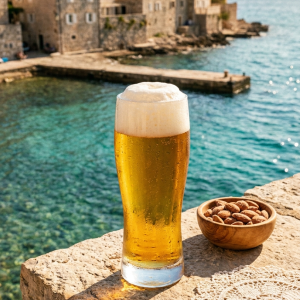

6. Beer Drinking in Scotland
Scotland has a historic and unique beer-drinking tradition that has long played a significant role in its culture. Beer is still one of Scotland’s most popular alcoholic beverages and is an important part of daily life, even though the nation is frequently praised for its renowned Scotch whiskey. Enjoying a pint is a beloved social custom that unites friends, families, and communities—from little Highland inns to ancient pubs in Edinburgh and Glasgow.
Scotland has a long history of brewing, dating back to the Middle Ages. Long before contemporary commercial breweries appeared, ales were produced by local brewers and monasteries. Scotland now has a booming brewing industry that blends cutting-edge craft brewing methods with historic recipes. Tennent’s Lager, Belhaven Brewery, Innis & Gunn, Caledonian Brewery, and BrewDog—the latter of which has become well-known globally for its daring craft beers and global expansion—are among the well-known Scottish beer brands.
Scotland’s bar culture is strongly associated with beer. Traditional pubs are friendly meeting spots where locals and tourists can have a pint while watching rugby or football, listening to live folk music, or telling stories by the fireplace. A traditional Scottish dining experience is created by pairing popular Scottish delicacies including haggis, fish and chips, beef pie, Cullen skink, and Scotch eggs with locally brewed lagers, ales, and stouts.
In the craft beer movement, Scotland has emerged as a global leader. India Pale Ales (IPAs), pale ales, porters, stouts, wheat beers, and seasonal brews that appeal to both traditional beer lovers and daring aficionados are produced by independent breweries all throughout the nation. Numerous breweries provide tours and tastings so that guests can sample locally produced beers and learn about the brewing process.
Scotland’s world-class craft beer sector, lively pub culture, and rich brewing heritage make it one of Europe’s top travel destinations for beer enthusiasts. Visitors may experience a beer culture that wonderfully captures Scotland’s heritage, hospitality, and enthusiasm for fine brewing, whether they are sipping a classic ale in a centuries-old pub or discovering cutting-edge craft beers.
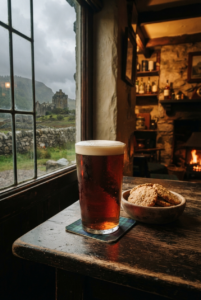
7. Beer Drinking in Spain
Spain is one of the top beer-consuming nations in Europe thanks to its lively and varied beer culture. Beer has emerged as Spain’s most popular alcoholic beverage by volume, despite the country’s international recognition for its wines, especially Rioja and Cava. Enjoying a refreshing beer is a daily custom that embodies Spain’s laid-back way of life and vibrant social culture, from busy downtown bars to sunny beach cafés.
Over the past few decades, beer consumption has increased gradually in Spain, where residents generally prefer light, refreshing lagers that go well with the country’s pleasant Mediterranean climate. Spaniards frequently drink beer with meals or while mingling over tapas, in contrast to several other nations where beer is primarily consumed in bars. Particularly well-liked are little portions called cañas, which let patrons savour freshly poured beer and sample a range of regional specialties.
Numerous globally renowned breweries and beer brands are located in Spain. Among the most well-known beers in the nation are Mahou San Miguel, Estrella Damm, Cruzcampo, Estrella Galicia, Ambar, and Alhambra, each of which offers unique lagers and specialty brews. Another important factor is regional pride, as many places prefer locally made beers that represent regional customs and tastes.
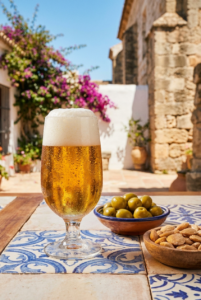
A key component of the nation’s beer-drinking experience is its café and bar culture. Beer is frequently served with classic Spanish meals like patatas bravas, jamón ibérico, seafood, grilled meats, and fresh olives, whether one is lounging in Madrid’s bustling plazas, enjoying beach bars in Barcelona, or visiting historic taverns in Seville. Spain’s vibrant beer culture is further enhanced by festivals, football games, and outdoor gatherings.
Spain has also embraced the worldwide craft beer boom in recent years. In towns like Barcelona, Madrid, Valencia, and Bilbao, independent breweries have sprung up, making creative IPAs, pale ales, stouts, wheat beers, and seasonal specialties. The nation’s long-standing lager culture is complemented by this expanding craft scene, which draws both domestic and foreign tourists.
Spain is a popular destination for beer enthusiasts from all over the world because of its friendly beer culture that blends Mediterranean hospitality with centuries of brewing tradition, as well as its sunny climate, vibrant social atmosphere, outstanding local brewers, and growing craft beer industry.
8. Beer Drinking in Slovenia
Slovenia is one of the most noteworthy beer-drinking nations in Central Europe thanks to its strong brewing history and lively beer culture. Beer is still Slovenians’ favourite beverage and an integral element of daily social life, even if the country is also renowned for its superb wines. Beer unites people and symbolizes the nation’s warm hospitality and love of regional customs, whether it is consumed at outdoor cafés, vibrant festivals, or traditional inns.
Slovenia has a long history of brewing, which began with tiny regional breweries and developed into a contemporary industry renowned for making premium lagers, ales, and specialty beers. Laško Brewery and Union Brewery, two of Slovenia’s most well-known breweries, produce flagship beers that are consumed all over Slovenia and sold abroad. These companies, which provide crisp lagers that complement the nation’s varied cuisine, have come to represent Slovenian brewing expertise.
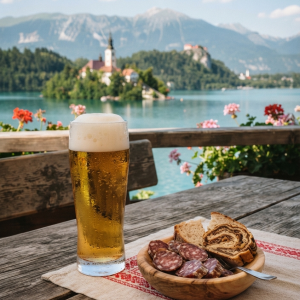
Slovenia’s culinary customs and social events are strongly associated with beer. Locals frequently congregate in local pubs, beer gardens, and traditional eateries to savor foods like fresh fish, roast pork, goulash, Carniolan sausage, and regional cheeses while sipping a cool pint. Riverside cafés and outdoor terraces are popular spots to unwind with friends and sip locally made beer throughout the warmer months.
Slovenia has seen a booming craft beer scene in recent years. A variety of inventive varieties, like as India Pale Ales (IPAs), wheat beers, porters, stouts, and seasonal brews, have been introduced by independent breweries in towns like Ljubljana, Maribor, and Celje. Both local fans and tourists from other countries looking for distinctive flavours and small-batch products have been drawn to this expanding artisan scene.
Slovenian culture also places a high value on beer festivals. Every year, thousands of people attend events like the well-known Pivo in Cvetje (Beer and Flowers Festival) in Laško, which honours the nation’s brewing tradition with live music, regional cuisine, and beer tastings.
Slovenia continues to gain prominence as one of Europe’s fun travel locations for beer enthusiasts thanks to its centuries-old brewing customs, reputable breweries, booming craft beer industry, and hospitable pub culture. Visitors may experience a beer culture that flawlessly blends tradition, quality, and Slovenian hospitality, whether they are enjoying a traditional lager or discovering cutting-edge craft brews.

9. Beer Drinking in Romania
Romania is one of the top beer-consuming nations in Eastern Europe due to its long history of beer consumption. Beer is still the most popular alcoholic beverage in the country, despite its famed wine areas, medieval castles, and rich history. Beer plays a significant role in Romanian social life and is consumed at regular meals, sporting events, family celebrations, and traditional hamlet get-togethers as well as vibrant city bars.
Romanian brewing history began in the 19th century with the establishment of the country’s first sizable commercial breweries. The nation now has a sophisticated brewing sector that blends traditional companies with an increasing number of independent craft breweries. Ursus, Timișoreana, Ciucaň, Bergenbier, Ciuc Premium, and Silva are some of the well-known beer brands in Romania. These breweries create a wide range of lagers, pilsners, dark beers, and specialty brews that are sold all throughout the nation and are increasingly being exported overseas.
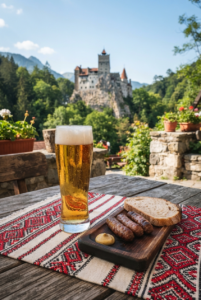
Romanian cuisine has a strong connection to beer. Locals frequently congregate in beer gardens, local pubs, and outdoor terraces to savour traditional fare like roasted pork, sausages, substantial stews, sarmale (cabbage rolls), and mici (grilled minced meat rolls) while sipping a cold pint. Summertime festivals and outdoor cafés offer the ideal atmosphere for unwinding with friends over locally made beer.
In recent years, Romania’s craft beer scene has grown significantly. India Pale Ales (IPAs), wheat beers, stouts, porters, and seasonal specials are just a few of the inventive beers being produced by independent breweries in towns like Bucharest, Cluj-Napoca, Brașov, and Timișoara. This movement has enhanced the nation’s historic lager culture while bringing in more variety.
Beer festivals, which honour Romanian brewing customs with live performances, regional food, and tastings from both well-known and independent breweries, have also grown in popularity. Thousands of people attend these events, which highlight the nation’s expanding love for fine beer.
Romania’s status as one of Europe’s leading beer-drinking countries continues to grow because to its long history of brewing, strong local brands, thriving craft beer industry, and friendly pub culture. Visitors may experience a beer culture that combines tradition, creativity, and friendly Romanian hospitality, whether they are sampling distinctive craft brews or sipping a refreshing lager in a busy city plaza.

10. Beer Drinking in Germany
With a brewing heritage spanning over a millennium, Germany is one of the most well-known beer-drinking countries in the world. Germany celebrates beer as a significant component of its history, social life, and sense of national identity. Beer is firmly ingrained in German culture. Millions of people enjoy beer every day, from lively bars in Berlin, Hamburg, and Cologne to old breweries in Bavaria and busy beer halls in Munich.
The Reinheitsgebot, or German Beer Purity Law, which was established in 1516, is one of the characteristics that distinguish German brewing. This landmark law, which at first permitted only water, barley, and hops to be used in beer brewing, contributed to Germany’s position as a top-tier brewer in the world. Germany is one of the world’s most diversified brewing countries, with over 1,500 breweries and thousands of distinct types of beer.
Pilsner, Hefeweizen, Dunkel, Kölsch, Bock, Altbier, and Münzen are some of the most well-known beer varieties in Germany. Worldwide recognition is accorded to renowned breweries and brands like Paulaner, Weihenstephan, Beck’s, Warsteiner, Bitburger, Krombacher, and Erdinger for their outstanding quality and craftsmanship.
A fundamental component of German cuisine and culture is beer. Classic meals like bratwurst, pretzels, schnitzel, pork knuckle, sauerkraut, and roast chicken are served alongside freshly brewed beer in hospitable settings like traditional beer gardens and Bierkellers. The nation’s love of brewing is also shown by regional celebrations and seasonal festivals.
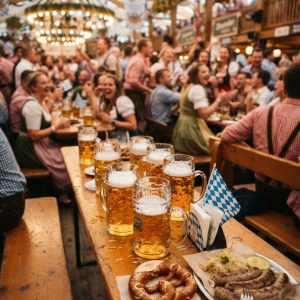
It would be impossible to discuss German beer without bringing up Munich’s yearly Oktoberfest. Millions of people travel from all over the world to enjoy traditional Bavarian beer, cuisine, music, and cultural events during Oktoberfest, the biggest beer festival in the world. In addition to Oktoberfest, Germany holds other regional beer festivals all year long that honour regional brewing customs.
Germany continues to be one of the best beer destinations in the world thanks to its centuries-old brewing industry, stringent quality requirements, variety of beer flavours, and renowned festivals. Beer enthusiasts may discover a culture where brewing is both an art and a way of life, whether they visit a historic monastery brewery, unwind in a sunny beer garden, or raise a stein at Oktoberfest.