


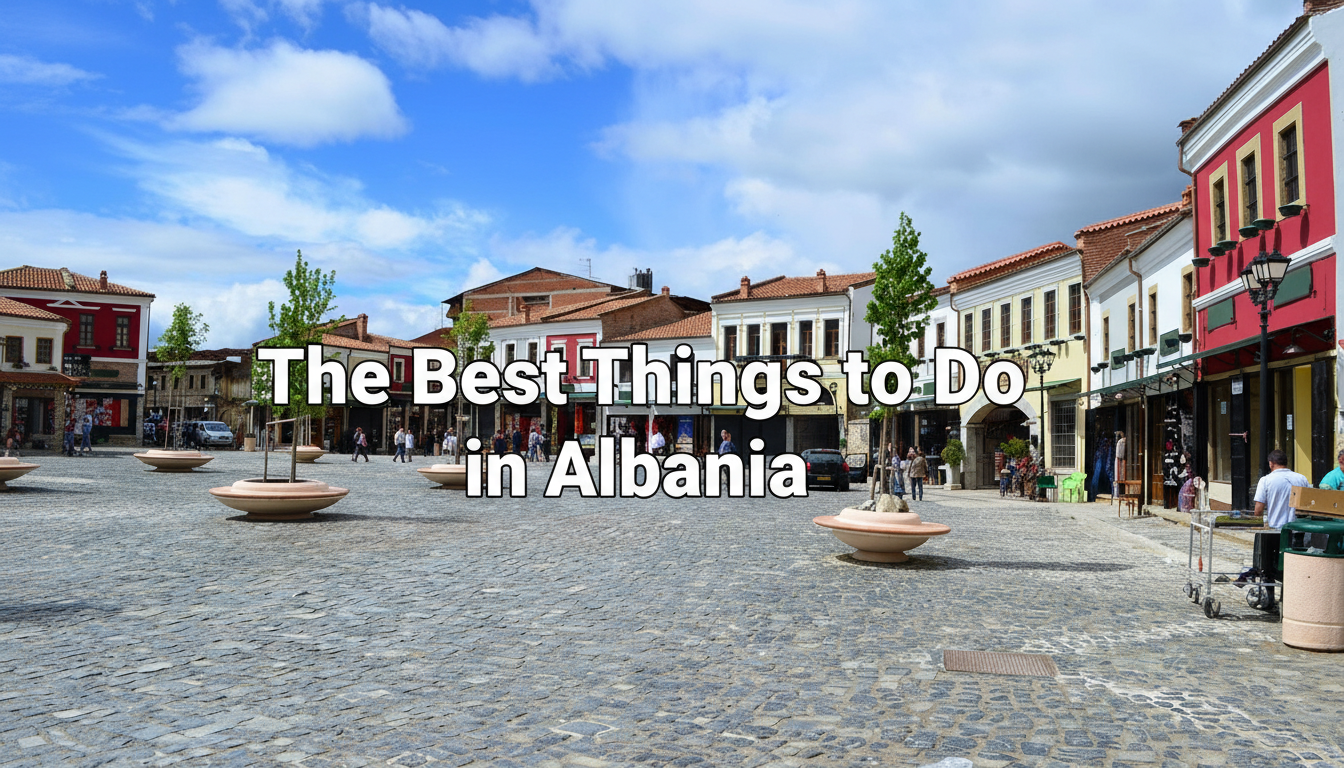
One of Europe’s most fascinating hidden treasures, Albania offers the ideal blend of unspoiled beaches, striking mountain scenery, historic ruins, and lively city life. This Balkan gem, which is tucked away between Greece, Montenegro, and the Adriatic and Ionian Seas, is rapidly becoming a must-see destination for tourists. Albania ought to be at the top of your list if you’re searching for a reasonably priced trip to Europe that is full of adventure, history, and breath-taking beauty.
Begin your trip in Tirana, the vibrant capital renowned for its vibrant cafés, street art, and intriguing history from the communist era. From there, go south to the stunning Albanian Riviera beaches, which have pristine waters comparable to those of Greece and Italy, but without the tourists. Coastal towns like Himarë and Dhërmi provide breath-taking sunsets, steep cliffs, and turquoise bays.
Begin your trip in Tirana, the vibrant capital renowned for its vibrant cafés, street art, and intriguing history from the communist era. From there, go south to the stunning Albanian Riviera beaches, which have pristine waters comparable to those of Greece and Italy, but without the tourists. Coastal towns like Himarë and Dhërmi provide breath-taking sunsets, steep cliffs, and turquoise bays.
The ancient remains of Butrint, which date back to Greek and Roman times, and the UNESCO-listed city of Berat, known as the “City of a Thousand Windows,” will enthral history buffs. Explore Theth National Park for mountain adventures; it offers some of the most picturesque scenery in the Balkans, with hiking paths winding through the breath-taking Albanian Alps.
Albania offers everything from romantic coastal retreats and vibrant cultural experiences to outdoor activities and genuine Mediterranean food, usually at much lower prices than in Western Europe. With the rise in tourism, this is the ideal moment to explore the top activities in Albania before everyone else catches on.
-
Explore Tirana: Albania’s Colourful and Vibrant Capital
It is imperative that you explore Tirana if you are considering a vacation to Albania. One of the most thrilling travel destinations in the Balkans, this vibrant capital city combines history, culture, innovation, and contemporary vitality. Tirana, formerly renowned for its communist past, has evolved into a vibrant European destination with vibrant buildings, hip cafés, and a booming cultural scene.
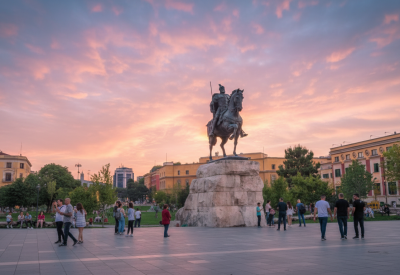
Start your trip in the city’s center, Skanderbeg Square, which is home to important sites including the Et’hem Bey Mosque and the National History Museum. From there, explore the bustling Blloku neighbourhood, which was formerly only accessible to political elites but is now the trendiest area with a plethora of eateries, shops, and nightlife. Because of Tirana’s vibrant café culture, spend some time unwinding with an espresso and taking in the local ambiance.
The intriguing Bunk’Art museums, which were once Cold War bunkers converted into cultural venues, provide history buffs with a thorough understanding of Albania’s communist past. For sweeping views of the city and neighbouring mountains, nature lovers can ride the Dajti Ekspres cable car up Mount Dajti.
One of the most reasonably priced capitals in Europe, Tirana offers excellent dining, lodging, and activities at reasonable costs. Tirana provides whether you’re interested in history, cuisine, architecture, or just discovering a new travel location before it becomes popular.
Tirana is a superb example of the new Albania—bold, colourful, and vibrant—with its friendly population, Mediterranean climate, and burgeoning creative energy. It’s a destination worth thoroughly investigating rather than only a stopover.
2. Relax on the Albanian Riviera: Europe’s Hidden Mediterranean Paradise
It’s time to unwind in the Albanian Riviera if you’re picturing blue waves, striking coastal cliffs, and serene beaches free of tourists. This stunning coastline, which stretches along the Ionian Sea in southern Albania, is rapidly rising to prominence as one of Europe’s most popular summer travel destinations, but it still feels blissfully unexplored.
At a fraction of the price, the Albanian Riviera boasts pristine waters that match those of Greece and Italy. White-pebble beaches, secret coves, and lively beach bars make charming seaside villages like Dhërmi, Himarë, and Ksamil ideal for long, sun-filled afternoons. This coastline offers breath-taking vistas at every turn, whether you’re searching for a romantic getaway, a leisurely beach vacation, or a picturesque road trip.
Driving via the breath-taking Llogara Pass, where expansive vistas of the sea and mountains create picture-perfect landscape, is one of the greatest ways to explore the Riviera. There are a variety of vibrant beach clubs and peaceful, unexplored coves along the coast where you may really relax.
The area has a rich history and culture that extends beyond the beaches. Explore historic beach communities that retain their genuine appeal or go to ancient ruins close to Ksamil. Enjoy grilled fish, Mediterranean salads, and regional wines while taking in the sunset over the Ionian Sea. This place is known for its fresh seafood.
One of Europe’s best-kept secrets is the Albanian Riviera, which is stunning, reasonably priced, and less congested than nearby tourist destinations. Now is the ideal moment to unwind on the Albanian Riviera before the rest of the world completely discovers it, if you’re planning a Mediterranean vacation.


3. Discover Historic Berat: Albania’s “City of a Thousand Windows”
Discover old Berat if you want to see real Albanian architecture and history. One of Albania’s most stunning and culturally diverse travel destinations is Berat, often known as the “City of a Thousand Windows.” This UNESCO World Heritage city transports visitors back in time with its majestic hilltop fortress and white Ottoman buildings built along the mountainside.
Berat’s distinctive architecture is what makes it so appealing. The Mangalem and Gorica areas’ classic Ottoman-era residences are home to the famous windows that give the city its moniker. The graceful Gorica Bridge connects these ancient districts, which are located on opposing sides of the Osum River. Strolling along the cobblestone streets provides breath-taking photo ops and an insight into centuries of Balkan history.
One of the few castles in Europe that is still inhabited is Berat Castle (Kalaja), which is located in the centre of Berat. Its historic stone walls include local residences, tiny churches, and expansive valley views. The Onufri Museum, which features amazing religious symbols and artwork inside a wonderfully maintained church, is open to history buffs.
Beyond its architectural features, Berat provides a serene and genuine ambiance. Delicious Albanian food, such as tavë kosi, and local wines from neighbouring vineyards are served in traditional eateries. Vineyard excursions and beautiful hiking routes can also be found in the nearby area.
Berat is one of Albania’s top tourist destinations since it is inexpensive, beautiful, and culturally rich. Discovering Berat is a memorable highlight of any Albanian journey, whether you’re touring its castle at sunset or meandering through its ancient alleyways.

4. Visit Ancient Butrint: Albania’s UNESCO Archaeological Treasure
Butrint National Park is a must-see destination for anyone traveling through southern Albania. This UNESCO World Heritage Site, which is home to the ancient city of Butrint, displays more than 2,500 years of history spanning the Byzantine, Greek, Roman, and Venetian civilizations. It is a must-see destination in Albania and one of the most significant archaeological sites in the Balkans.
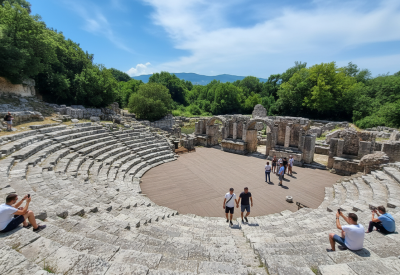
Butrint, which is close to the turquoise beaches of Ksamil and the Albanian Riviera, combines history with stunning natural surroundings. It feels almost magical, surrounded by wetlands, lagoons, and lush woodland. Discover the city’s once-thriving cultural life as you explore the ruins, which include a large basilica, Roman baths, an incredibly well-preserved Roman theatre, old city walls, and elaborate mosaic flooring.
Butrint was a strong city in antiquity due to its advantageous seaside location. The Greeks established it first, and it flourished under Roman control before changing during the Byzantine and Venetian eras. Because of the imprints left by each culture, Butrint is a living record of Mediterranean history.
With clearly delineated routes leading visitors through several historical periods, the site is simple to tour on foot. While panoramic overlooks offer breath-taking views over Lake Butrint and the Ionian coastline, informative signage give background information.
Butrint offers a distinctive experience that distinguishes Albania from other European travel destinations by fusing archaeology, nature, and seaside beauty. One of the greatest things to do in Albania is visit Ancient Butrint, a trip through time in one of Europe’s most underappreciated tourist destinations, whether you’re a history buff or a casual traveller looking for cultural depth.
5. Hike in Theth National Park: Albania’s Alpine Paradise
Hiking in Theth National Park is among the greatest experiences in the Balkans for those who enjoy the outdoors and adventure. One of Albania’s most stunning locations, this isolated alpine paradise is tucked away deep within the Albanian Alps and has striking peaks, glistening rivers, waterfalls, and traditional stone homes.
Theth, which is in northern Albania, is unspoiled and untamed. The valley is surrounded by towering Limestone Mountains that provide picturesque views in all directions. The trek to the Blue Eye of Theth (Syri i Kaltër), a natural spring with stunning turquoise water set amid untamed mountain scenery, is one of the most well-liked hikes. The hike is really gratifying while being rather difficult.
Valbona Valley, which is frequently regarded as one of Europe’s most picturesque mountain walks, is reached from Theth via another must-do journey. Hikers and photographers both love this full-day trek, which takes you over high mountains with expansive vistas of the Albanian Alps.
Theth has cultural charm that extends beyond the trails. See the old Kulla e Ngujimit Lock-in Tower and the charming Both the Church and the region’s rich traditions are represented by them. Many tourists stay at nearby guesthouses, where you may savour regional Albanian cuisine and friendly mountain hospitality.
Due to the favourable weather and easily accessible routes, the best time to trek in Theth National Park is from late spring to early autumn. Theth offers breath-taking natural splendour, whether you’re hiking over alpine ranges or lounging beside a glacier stream.
Hiking in Theth National Park should be at the top of your list if you’re organizing an itinerary for Albania because it’s a truly remarkable outdoor experience.

6. Wander Through Gjirokastër
Exploring Gjirokastër is like entering a living museum. One of Albania’s most captivating tourist destinations is the “City of Stone,” a UNESCO World Heritage site. Gjirokastër provides a remarkable fusion of history, architecture, and culture with its characteristic slate-roofed homes, cobblestone streets, and striking hilltop castle.
Gjirokastër Castle, a huge fortification with a view of the Drino Valley, is the city’s most famous feature. Visitors can take in expansive, panoramic views of the surrounding mountains and farmland from its stone walls. The city’s complex history under Ottoman and later administrations is reflected in the castle’s intriguing exhibitions, vintage artillery, and artefacts from many ages.
The Ottoman-era houses in Gjirokastër, which are made of native stone and have fortified characteristics, are renowned for being in excellent condition. You may see elaborate woodwork, frescoes, and genuine interiors that highlight Albania’s cultural legacy in many of these historic tower houses, such as the Skenduli House and Zekate House, which are accessible to tourists.
Another attraction is the Old Bazaar, which is lined with artisan stores, handcrafted goods, and welcoming cafés that serve fresh local pastries and traditional Albanian fare like qifqi (rice balls). It is ideal for leisurely exploring and photography because of the laid-back yet vibrant environment.
Gjirokastër, which is surrounded by picturesque scenery and undulating hills, is also a great starting point for touring southern Albania. One of the greatest cultural experiences in Albania is strolling around Gjirokastër, whether you’re interested in history or are just looking for quaint European alleys free of tourists.

7. Swim in Ksamil: Albania’s Turquoise Paradise
Swimming in Ksamil is one of the greatest things to do in Albania if you have visions of pristine water and gentle white beaches. Ksamil, which is situated along the gorgeous Albanian Riviera, is well-known for its serene Ionian waters, Caribbean-style beaches, and spectacular island vistas. It’s the ideal location for families, couples, and anyone looking for a tranquil beach getaway.
The shallow, clear water of Ksamil’s beaches makes them perfect for wading and swimming. From late May to September, ideal circumstances are created by the mild waves and moderate summer temperatures. The little offshore islets, which can be reached by kayak or paddleboat or swimming, attract a lot of tourists. These small islands provide serene locations for sunbathing and taking in expansive views of the shore.
Ksamil’s close proximity to Butrint National Park is one of its best features, enabling visitors to mix cultural exploration with beach leisure. You can explore historic ruins and return to the beach for a sunset swim after swimming all morning.
The shore is lined with beach clubs and restaurants that provide Mediterranean cuisine, grilled fish, and fresh seafood. A classic Albanian Riviera experience is to eat lunch with your feet in the sand while gazing out at the blue Mediterranean.
Ksamil is a great place for snorkelling because of its unusually clear water. The beauty below the surface is enhanced by colourful fish and rugged seabeds.
Swimming in Ksamil offers pure coastal pleasure and continues to be one of Albania’s most memorable tourist experiences, whether you’re drifting in tranquil waters or watching the sun set over the Ionian Sea.

8. Drive the Llogara Pass: Albania’s Most Scenic Coastal Road
One of the most memorable road excursions in Albania is across the magnificent Llogara Pass. This breath-taking mountain pass, which connects the Albanian Riviera with the inland mountains, is a must-see excursion because it offers expansive views of the Ionian Sea, rocky cliffs, and twisting roadways.
Rising more than 1,000 meters above sea level, the pass is part of Llogara National Park. The scenery changes from Mediterranean coastline to alpine forest as you climb. The postcard-perfect vistas of blue waters below and striking peaks above are revealed via sharp twists and expansive views. Photographers, road trip enthusiasts, and anybody else looking for breath-taking views will find bliss there.
The driving itself is approachable and thrilling. You can safely stop and enjoy the scenery at a number of viewpoint locations on the well-maintained route. The glittering Ionian coastline stretches forever into the distance on clear days. Many tourists schedule their journey for sunset, when the sea and mountains are painted in warm tones by golden light.
Llogara Pass offers outdoor experiences in addition to the scenery. It is more than simply a road; it is an experience, complete with hiking trails, paragliding chances, and picturesque picnic areas. Traditional Albanian cuisine is served at small mountain eateries along the road, allowing tourists to savour regional delicacies while taking in the scenery.
Driving the Llogara Pass is an experience you won’t soon forget, whether you’re touring Albania by automobile or heading from Vlora to the southern Riviera. It beautifully depicts the untamed splendour of the nation, where mountains and the sea converge in breath-taking form.


9. Experience Albanian Cuisine: A Flavorful Journey Through Tradition
One of the most genuine and satisfying aspects of traveling to this stunning Balkan nation is sampling Albanian food. Albanian cuisine, which has been influenced by Mediterranean, Ottoman, and Balkan customs, is full of flavour, fresh ingredients, and traditional recipes that have been handed down through the ages.
Albania’s varied topography, which includes beautiful coastlines and rich valleys, influences its cuisine. Cities like Tirana have a thriving culinary culture that combines traditional foods with contemporary touches. On the other hand, fresh fish, olive oil, and sun-ripened vegetables are well-known in coastal areas like the Albanian Riviera.
Byrek, a flaky pastry stuffed with cheese, spinach, or meat, is one of the most popular dishes. The hearty baked lamb and yogurt meal known as tavë kosi is frequently regarded as Albania’s national cuisine. Nearly every meal includes grilled meats, homemade cheeses, toasty crusty bread, and fresh salads with tomatoes and cucumbers. The nation’s farm-to-table customs are reflected in the substantial yet well-balanced meals.
The availability of grilled fish, calamari, and mussels along the coast will appeal to seafood enthusiasts. Menus in the mountains are dominated by slow-cooked stews and roasted meats, which have deep flavours that are ideal for trekking or touring old villages.
Without trying the native raki, a traditional fruit brandy that is sometimes offered as a greeting, no Albanian gastronomic experience is complete. For a genuine experience of Albanian hospitality, serve it with seasonal fruit, feta-style cheese, and fresh olives.
In Albania, dining is about more than simply food—it’s about building relationships. A fundamental aspect of Albanian culture is the sharing of lengthy meals with loved ones. Albanian food is a delectable way to learn about the history, customs, and friendly attitude of the nation, whether you’re having a rustic mountain feast or a sunset dinner by the sea.


10. Festivals in Albania: Culture, Music, and Timeless Traditions
Albanian festivals are colourful celebrations of community, music, culture, and history. Cities and villages all throughout the nation come alive with vibrant events that highlight Albania’s rich history and developing modern scene throughout the year. There is always a festival to add excitement and vitality to your trip, regardless of whether you are going in the summer or the winter.
The National Folklore Festival in Gjirokastër, which honours traditional Albanian dance, music, and costumes, is one of the most significant cultural events. This festival, which takes place inside the medieval castle, brings together artists from all over the world to preserve centuries-old customs via performance and music.
Numerous contemporary festivals, including music, film, and art events, are held in the capital city of Tirana. Albania’s expanding creative sector is highlighted by the Tirana International Film Festival, which draws filmmakers and moviegoers from all over the world. The city becomes a vibrant cultural centre in the summer thanks to outdoor performances and cultural events.
Festivals along the seaside combine nightlife, music, and beach atmosphere. Summer music events turn the picturesque Albanian Riviera into a destination, drawing international DJs and revellers seeking out memorable evenings by the sea.
Colorful festivities like Dita e Verës (Summer Day), which is particularly well-liked in Elbasan, are brought about by spring. With sweets, flowers, and happy street parties, this old pagan celebration ushers in the end of winter.
Albania’s cultural calendar also includes significant religious celebrations. Holidays like Easter and Eid are celebrated with family get-togethers, special dinners, and community festivities that blend well with Christian and Muslim customs.
Albania’s festivals, which range from culinary and folklore celebrations to modern music and art, capture the vibrant essence of the nation. Travelers have a rare chance to engage with people, discover real customs, and witness Albania at its friendliest and liveliest when they visit during a festival.